
Christian tradition has always cherished the self-worth of individuals, created in the “image and likeness of God.” This intrinsic self-worth of individuals is the basis of Christian understanding of the human person, human dignity and Christian ethics.
Intrinsic self-worth of a person refers to the inherent worth and value that each person possesses by virtue of being human. It is the conviction that one’s value is independent of external accomplishments, possessions and the opinions of others.
This essay examines the concept of intrinsic self-worth, its significance in personal well-being and the positive effects it has on individuals and society.


The foundation of intrinsic self-worth is the belief that every individual has inherent value, dignity and worth, regardless of their achievements, appearance or social standing. It is an acknowledgment that being human is sufficient to merit respect, affection and acceptance.
The concept of intrinsic self-worth opposes the notion that one’s value is determined by external factors and emphasizes each individual’s inherent worth.
The significance of intrinsic self-worth
When people recognize and accept their inherent value, they become less susceptible to the opinions and judgments of others. They develop resilience and are better able to deal with criticism or setbacks because their sense of self-worth is not dependent on external validation alone.
Intrinsic self-worth is the foundation for healthy relationships. Individuals who recognize their own value are more likely to form and maintain relationships based on mutual regard, equality and genuine connection. They are less likely to seek acceptance or validation through manipulative or dysfunctional relationships.
Individuals who embrace their intrinsic self-worth are more likely to authentically express their true selves. They are more likely to pursue their interests, values and objectives without fear of criticism or rejection. Individuals with intrinsic self-worth can live in accordance with their values and find fulfillment in their authentic expression.
Mental health and intrinsic self-worth are strongly correlated with mental health and well-being. Individuals who recognize their inherent value have higher levels of self-esteem, self-acceptance and self-compassion on average. They are less likely to engage in negative self-talk, self-doubt and inferiority complexes.
Developing intrinsic self-worth
Self-reflection and acceptance are the first steps in cultivating intrinsic self-worth. It entails acknowledging one’s strengths, accepting one’s flaws and recognizing that one’s value is independent of external factors.
Self-compassion is vital to the development of intrinsic self-worth. It entails regarding oneself with tenderness, compassion and forgiveness, particularly in times of failure or disappointment. Self-compassion fosters a sense of self-worth that is independent of achievement or perfection.
It is essential to surround oneself with positive and supportive influences in order to foster intrinsic self-worth. Developing relationships with individuals who value and appreciate one’s genuine self contributes to a feeling of deservingness.
It is crucial to challenge and reframe limiting beliefs that undermine intrinsic self-worth. In order to cultivate intrinsic self-worth, it is essential to recognize that external accomplishments do not determine one’s value and to challenge societal pressures and unjustified expectations.
Conclusion
The concept of intrinsic self-worth is a potent one that emphasizes the inherent worth and value of every individual. It acknowledges that one’s value is independent of external accomplishments, appearance or the opinions of others.
Developing intrinsic self-worth fosters resiliency, healthy relationships, authenticity, and overall well-being. Individuals can lead fulfilling lives, express their true selves and contribute positively to the well-being of society as a whole when they recognize and embrace their inherent self-worth.
So the Church cannot go after fads and fashions and change its moral standards. The Church holds that every person, irrespective of his competencies and capabilities, is created in the image and likeness of God. Every person has his own dignity and self-worth.
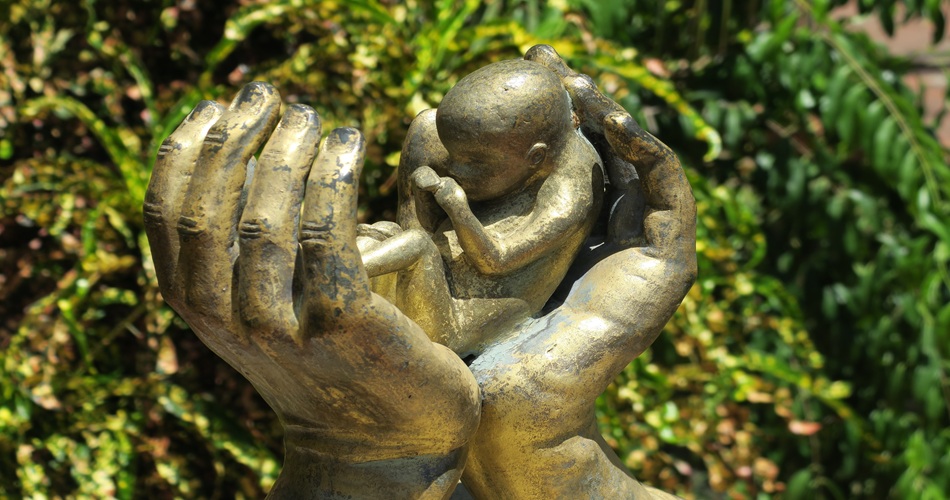
That’s the reason the Church is against abortion and euthanasia. That is why the Church has a sacred duty to protect life in all its dimensions — from womb to tomb. The Church does recognize that even the most fragile and vulnerable person has her own self-worth.