
Trump’s midterm defeat could be a liberating moment for the US Catholic Church, freeing it from ideological captivity …
November 10,
3:11 AM






Dr. Massimo Faggioli is a professor of historical theology at Villanova University, an Augustinian Catholic university in the Philadelphia area, since 2016. Faggioli has studied, lived, and worked in Ferrara, Bologna, Turin, Rome, Tübingen, Quebec, Boston, St. Paul–Minneapolis, Louvain-la-Neuve, and Dublin. He received his doctorate in 2002. From 1996 to 2008, he conducted research at the John XXIII Foundation for Religious Studies in Bologna before moving to the USA. He is a member of the steering committee for the project “Vatican II: Event and Mandate,” a 12-volume intercontinental commentary on Vatican II, published in English and German. View More...
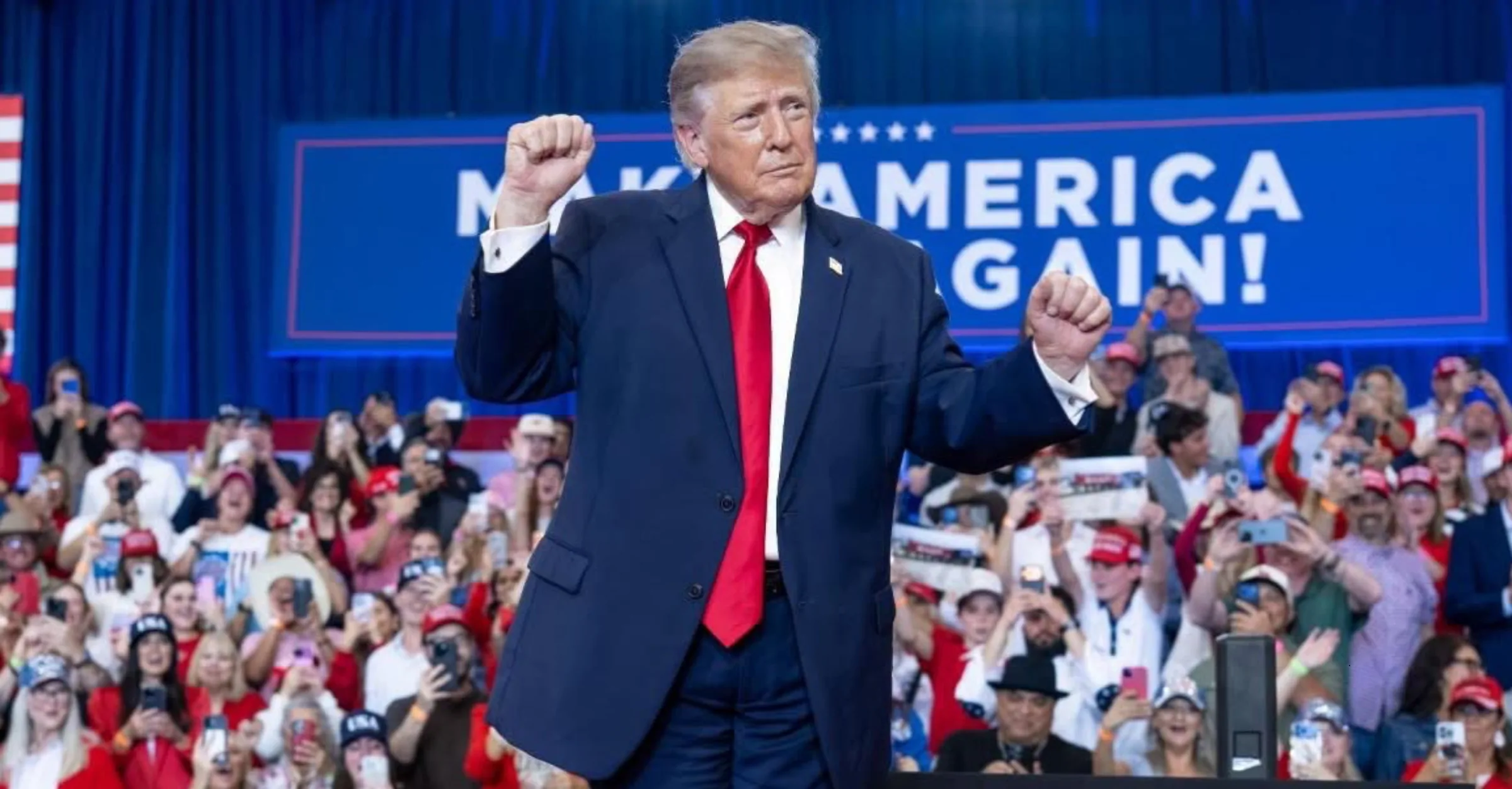
The midterm rebuke to Trumpism offers the Church a chance to free itself from ideological captivity, from the partisan entanglements that distorted its moral and social teaching.
Venite ad Me is notable for what it omits, the role of universities and academic theology, revealing a mutual alienation between the Church and theology.
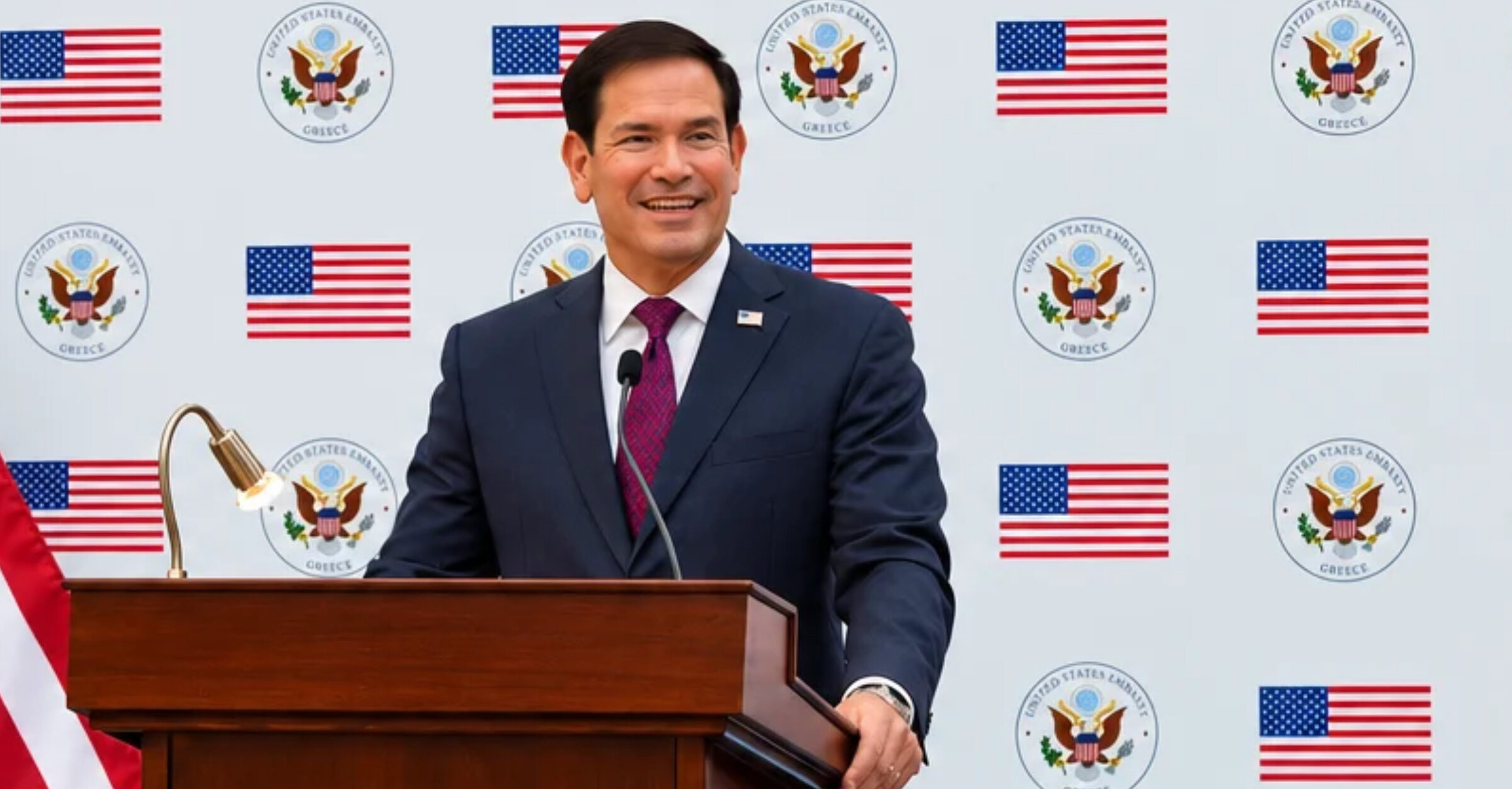
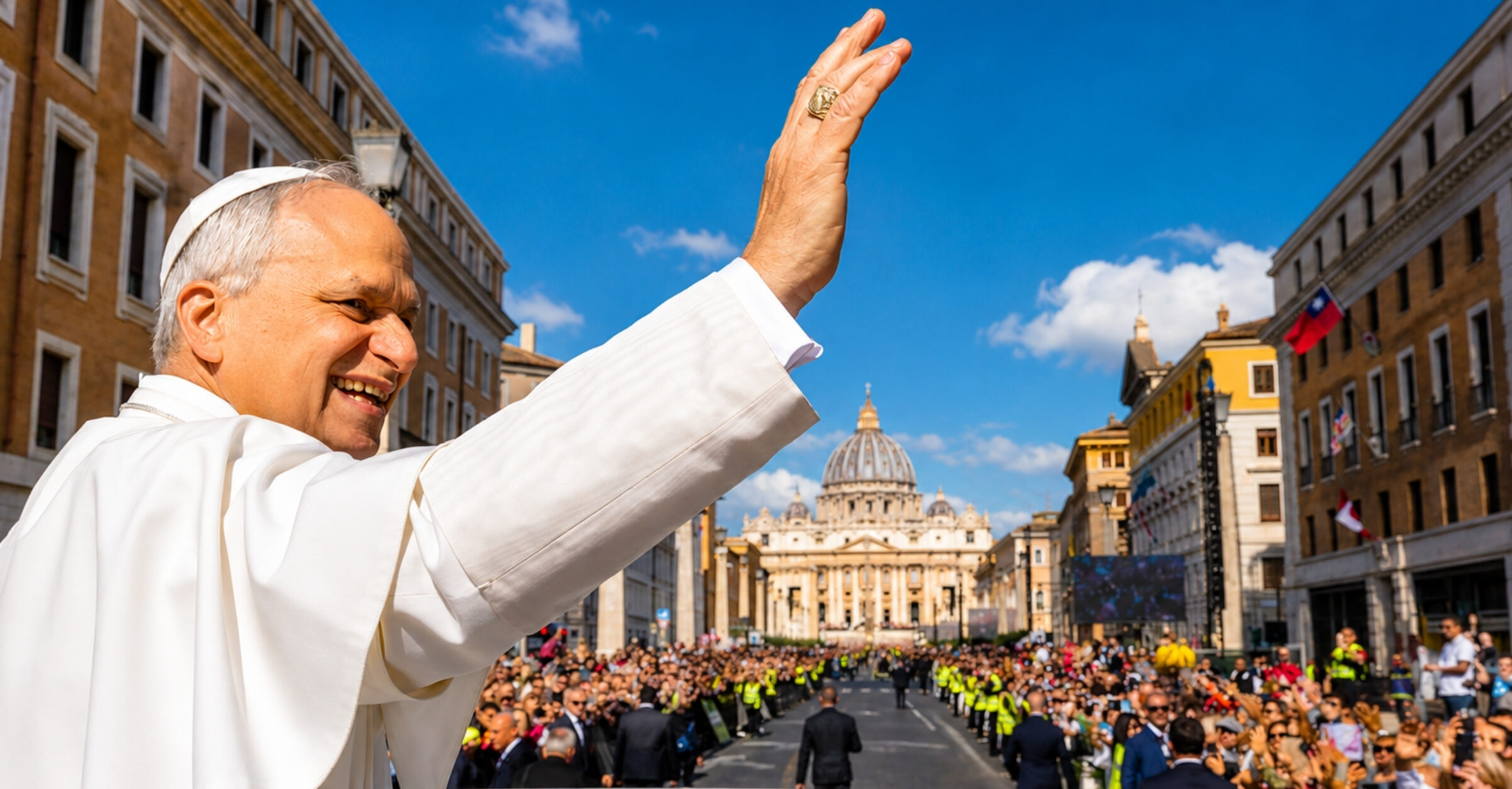
As the Trump administration binds Christianity to Western civilization and an “America First” vision, the Vatican under Pope Leo XIV resists, defending a global Church against becoming a tool of empire.
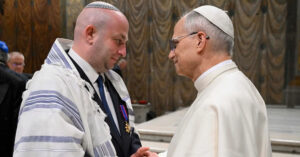
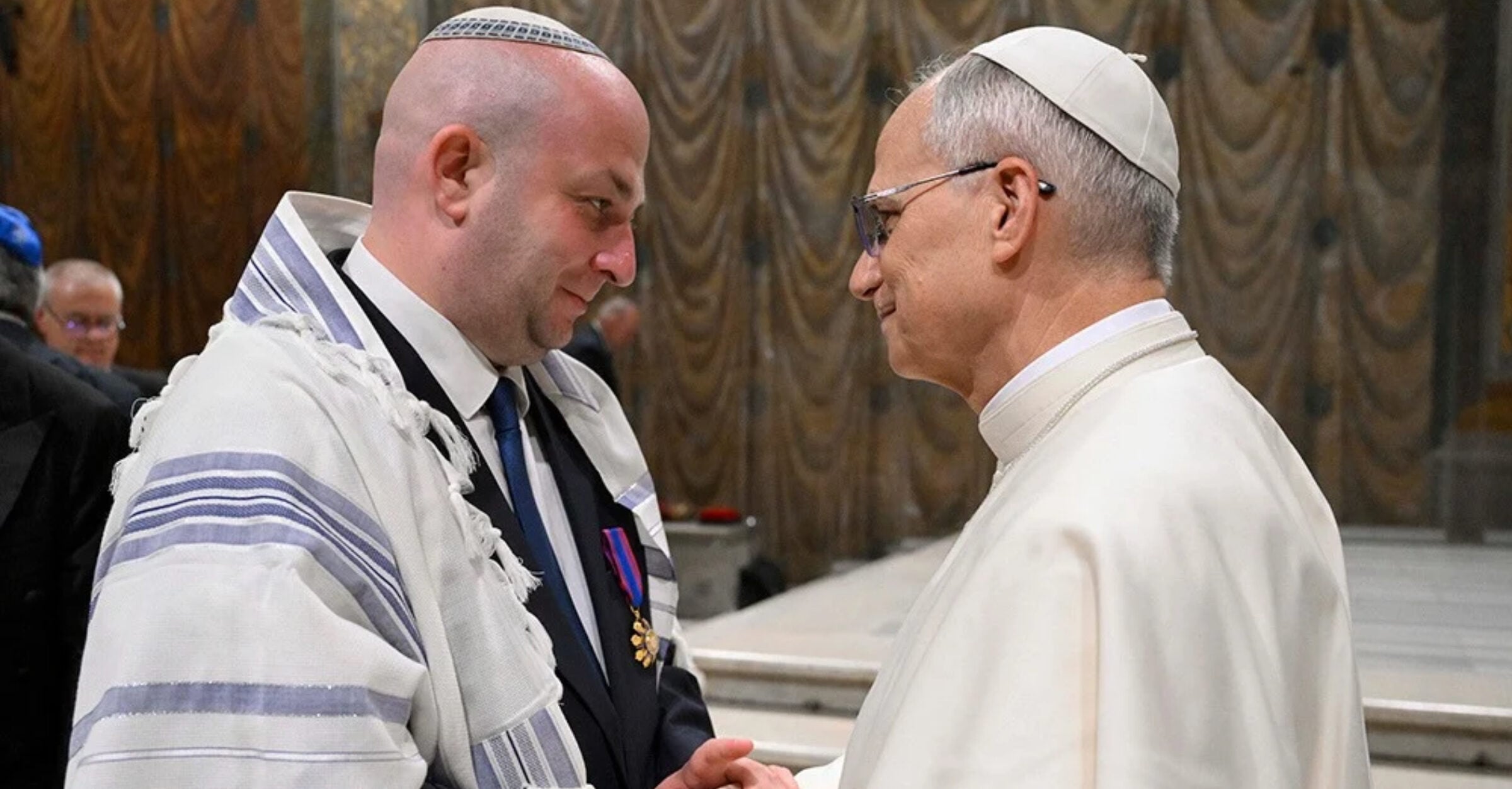
Three Vatican-related events in eleven days reveal a new, doctrinal gap between the Catholic Church and Judaism, centered on Zionism and the State of Israel, that diplomacy alone cannot bridge.

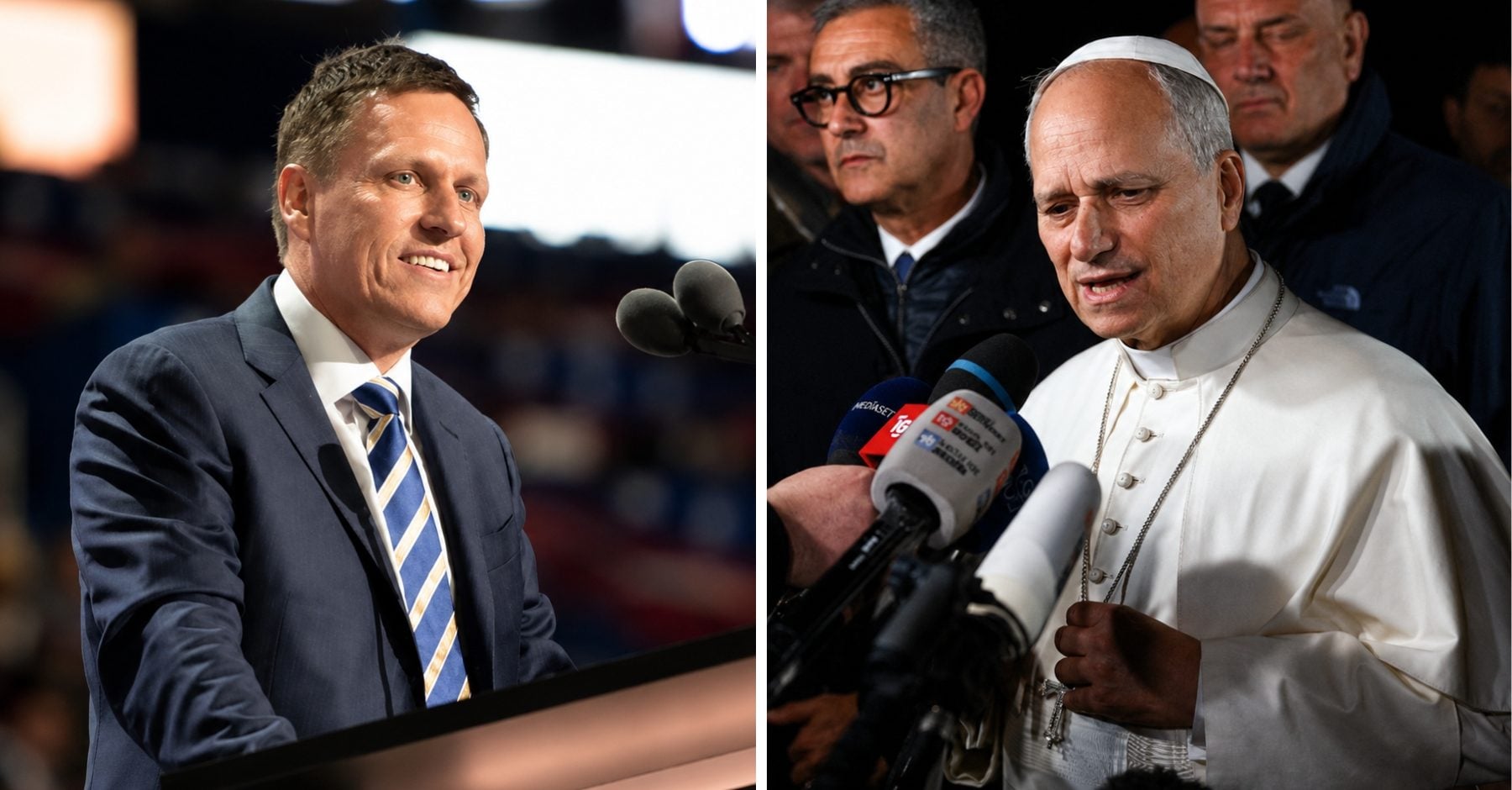
American Catholicism faces a rift as postliberal theologians defend mass deportations, directly challenging the Church hierarchy and traditional Catholic social teaching.
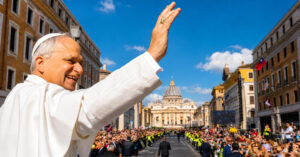
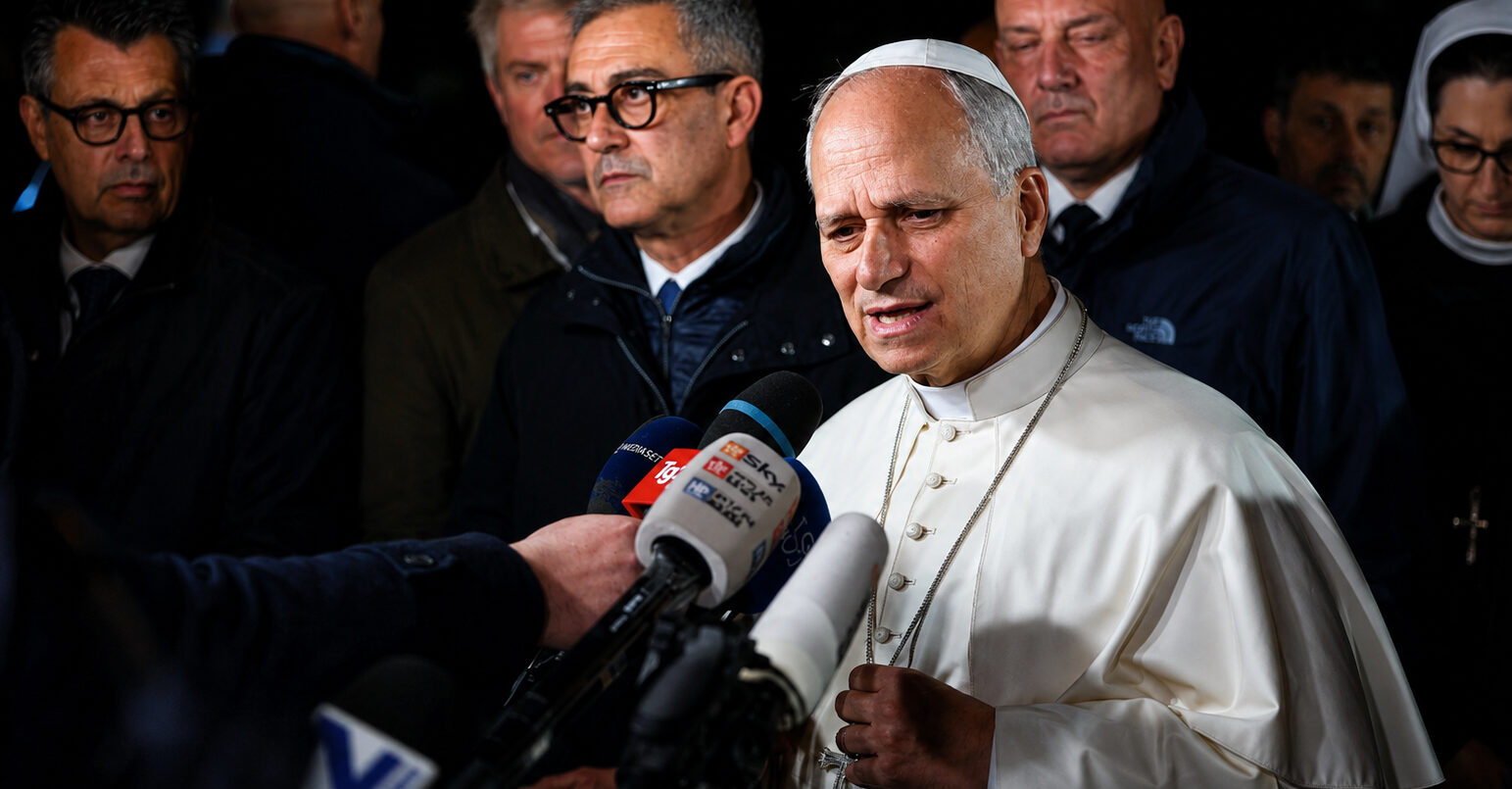
Pope Leo XIV has improved US–Vatican relations, and the American Catholic right that opposed Francis has softened toward him, yet he refuses to be cast as an anti-Trump voice.
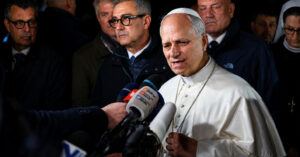
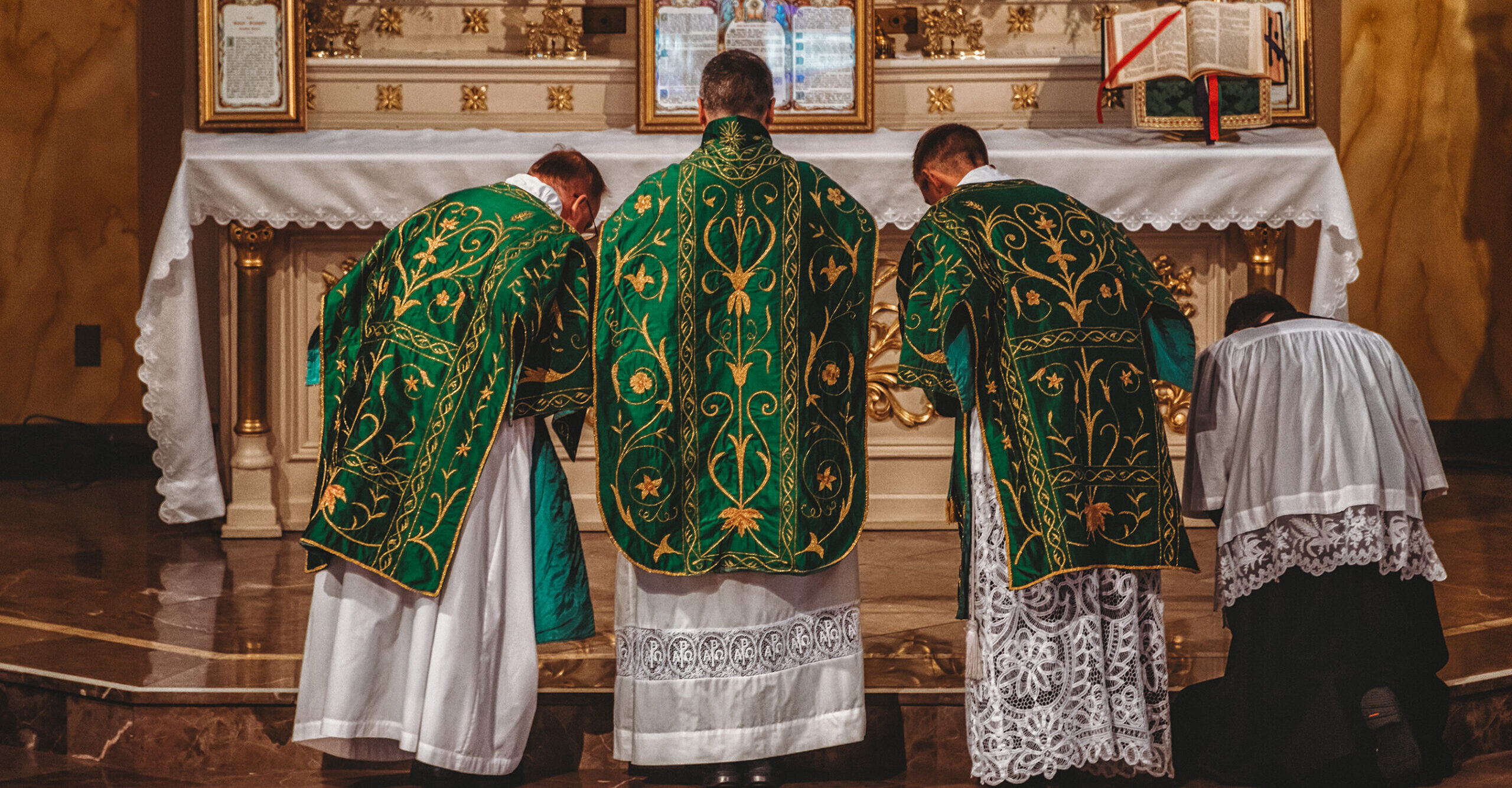
Amid pressure to loosen restrictions on the "Latin Mass," Pope Leo XIV responds not by reversing course but by returning to Vatican II as living tradition, prioritizing unity and depolarization.
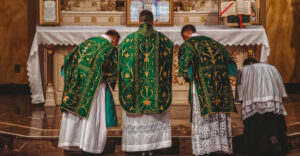
The recent SSPX schism spotlights a subtler struggle between Rome and American liturgical traditionalism, a movement small in numbers yet strategically influential, using new media, selective appeals to tradition and unresolved disputes over Vatican II to pressure the papacy.
Join the remarkable Global Catholic journeyGlobal Catholic is proud to be independent—editorially, politically, ideologically and financially.
But independence comes at a cost. Without patron support, we depend entirely on readers and friends like you.
To sustain and grow Global Catholic, we need to raise US$250,000.