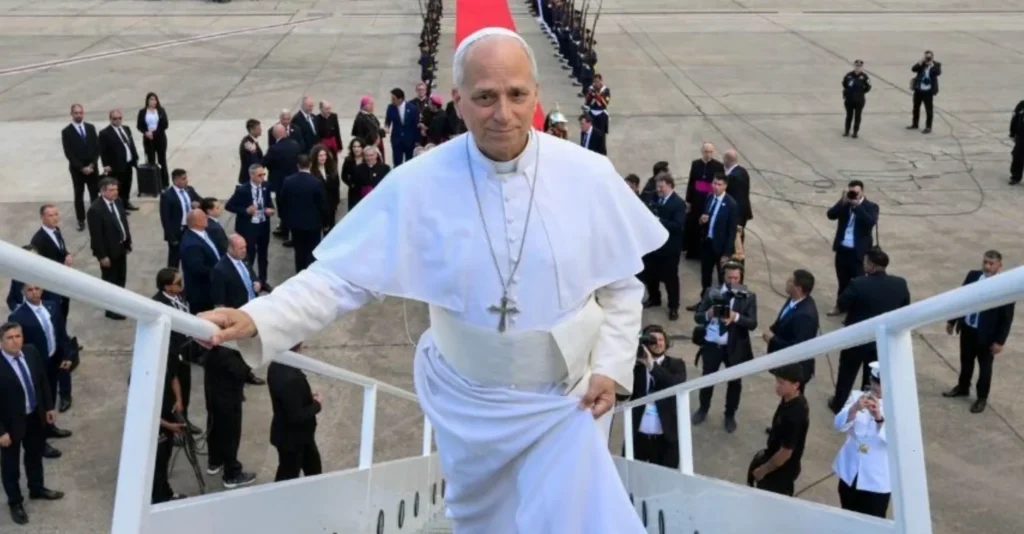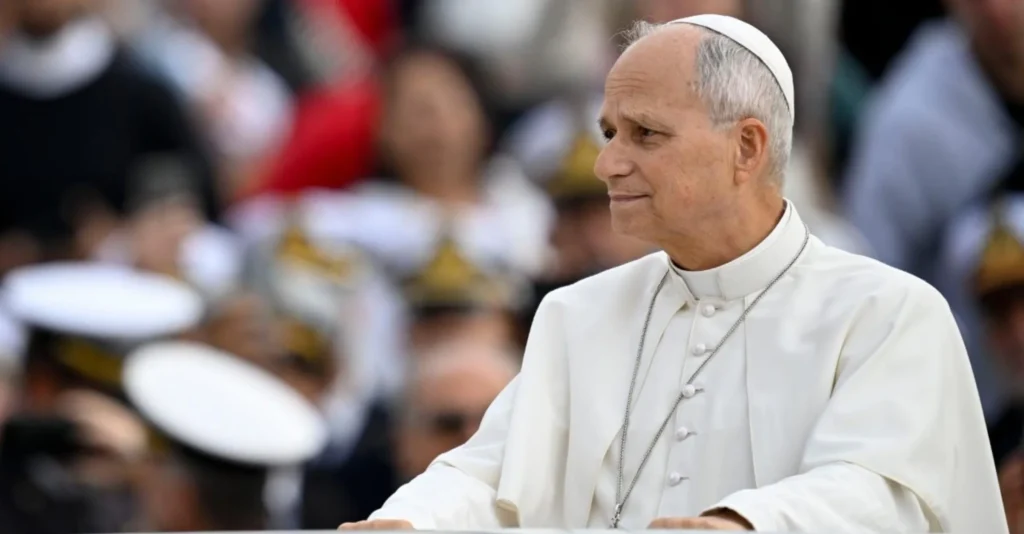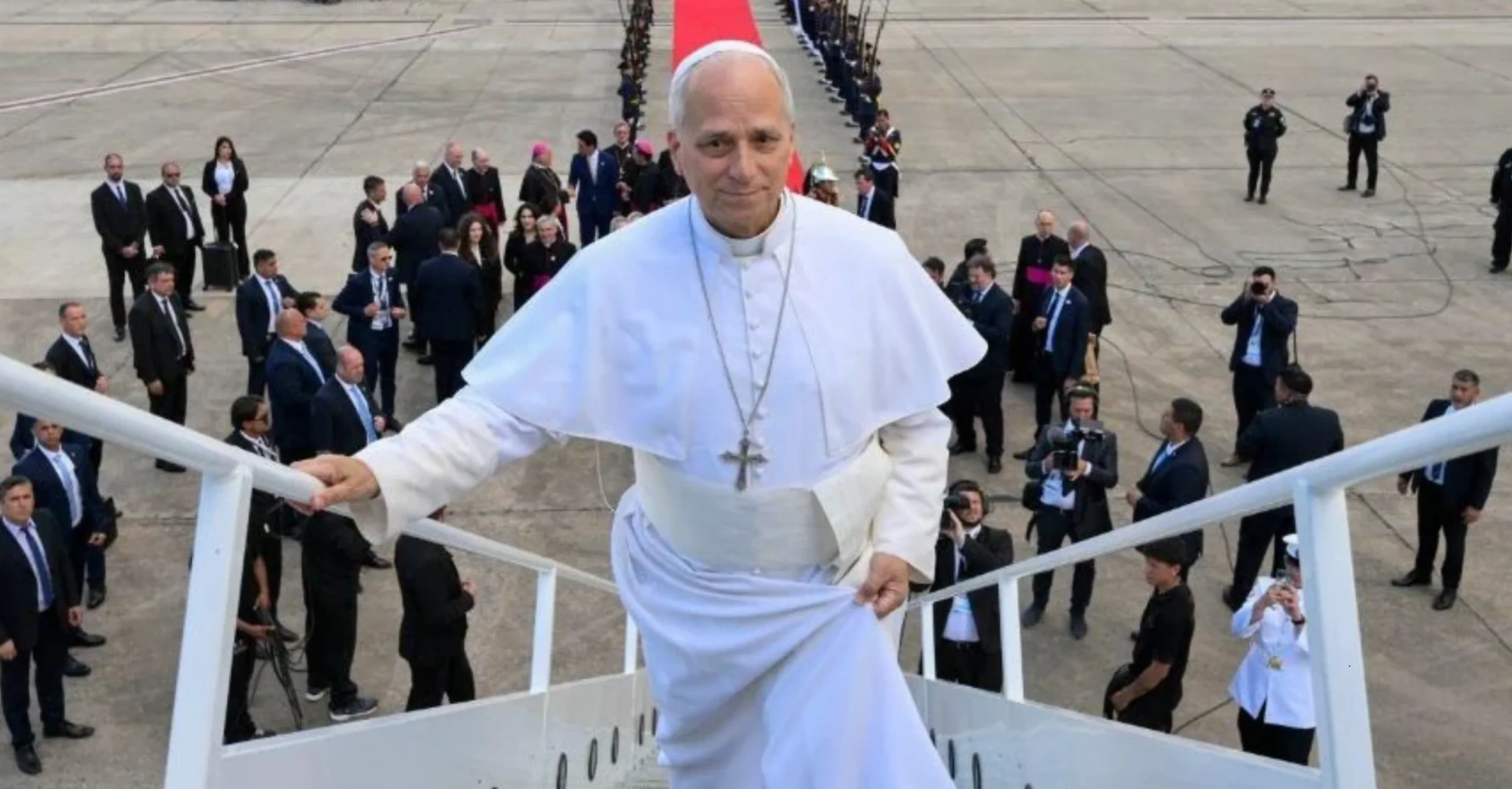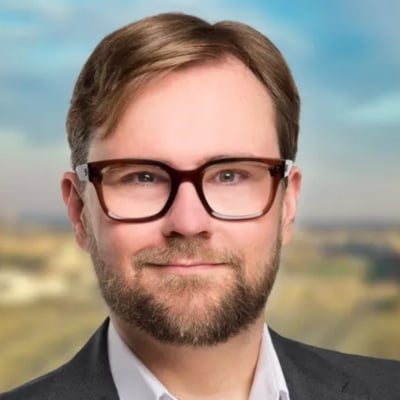
Pope Leo XIV plans to visit Germany. This has been confirmed by Germany’s ambassador to the Vatican, Bruno Kahl.
Kahl, 63, is a striking choice for the post. He led Germany’s Federal Intelligence Service, the BND, from 2016 until mid-2025, making him one of the country’s longest-serving spy chiefs.
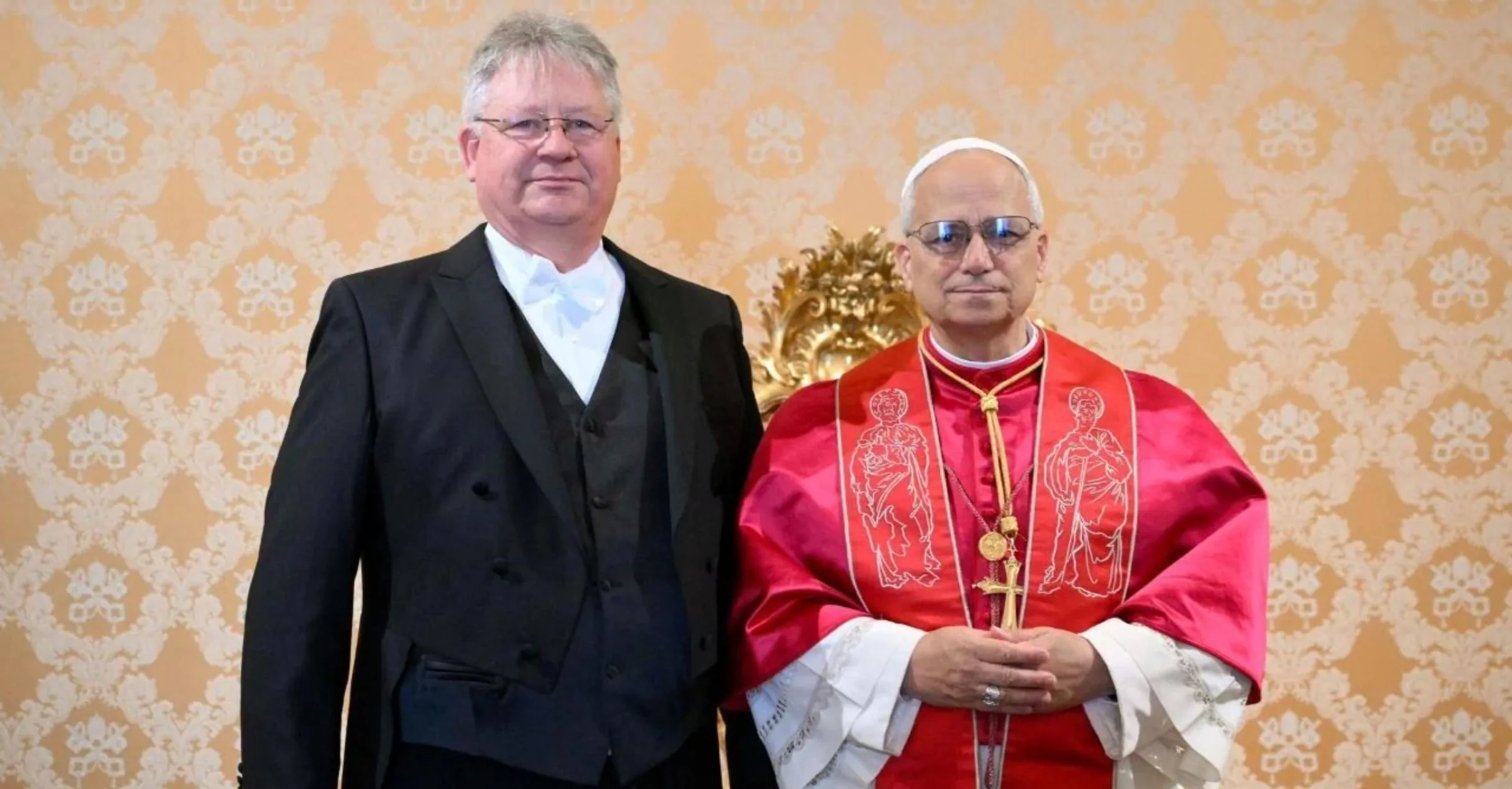
He presented his credentials to Pope Leo XIV on Oct. 11, 2025, succeeding Bernhard Kotsch, who moved to become state secretary at Germany’s Federal Foreign Office, as confirmed by the Vatican’s press office.


In this interview with Renardo Schlegelmilch, Kahl discusses his unusual career shift from intelligence work to Vatican diplomacy, his personal impressions of Pope Leo XIV — the first American-born pope, elected in May 2025 — and Germany’s push, alongside other European governments, to rearm in response to the war in Russia’s invasion of Ukraine.
He also touches on the Vatican’s diplomatic posture toward Moscow and Kyiv, a subject Pope Leo XIV has addressed directly in his first encyclical, Magnifica Humanitas, published in May 2026.
Here is the interview.
Going from president of the Federal Intelligence Service to ambassador to the Vatican is quite a change of direction. How did that come about?
Well, it is not such a big change. As head of the intelligence service, you are less of a spy yourself and more involved in diplomatic work. I traveled all over the world to promote intelligence cooperation. That also requires diplomatic skills.
So the transition was not that great. Working at the Holy See also has something of an intelligence-gathering character. Here, too, you have to learn to separate the wheat from the chaff, distinguish truth from falsehood, and find the right sources.
So, how much espionage work goes on at the Vatican?
It is certainly a matter of identifying what is valid in the enormous marketplace of information — including in Rome, at the Holy See — reporting it back home, and evaluating it. In that respect, these are very traditional tasks that I trained for in my previous role.
What is your impression of Pope Leo XIV, including from your personal encounters with him?
I had the opportunity for a very personal encounter when I presented my credentials. It was a one-on-one conversation that was very trusting and also substantive. I came away with a very good impression.
The Pope is approachable, open, and straightforward. He speaks in an uncomplicated, direct way and also gives you the personal feeling that you are being taken seriously.
He is very quick-witted and has a sense of humor, making him an exceptionally pleasant conversation partner.
What image of Germany do you convey when representing the Federal Republic at the Holy See? The Pope has repeatedly hinted that he would be interested in coming here.
On behalf of the German government, I renewed the invitation previously extended by the Federal President and also confirmed by the Federal Foreign Minister.
The answer is indeed that he wants to come to Germany. However, the schedule for the various trips still ahead of him has not yet been fully worked out.
He himself says that he advised his predecessor to travel to Germany and would, of course, follow that advice himself. But it is still too early for concrete planning.
In the latest issue of Christ in der Gegenwart, you spoke a few days ago — with surprising directness for a diplomat — about the Vatican’s position on the war in Ukraine. To put it simply, you said that the Vatican should show less equidistance between Russia and Ukraine and take a clearer stand. Is that your personal opinion, or is it the position of the German government, which you represent?
First, I need to correct that somewhat. There has been progress, particularly in terms of the criticism of equidistance, between the pontificate of Francis and that of Leo XIV.
Pope Leo has clearly identified who the aggressor is and who the victim is. I have little to criticize there.
Here, of course, I am advocating for understanding — contrary to certain statements of the Magisterium — that Europe necessarily needs to protect itself against a threat.
I believe it is right and necessary for us to make efforts to rearm and for European governments to endeavor to equip themselves for defense and avoid inviting aggression. Those are my points, and they are in line with the German government’s position.
To be more specific: Is this about the question of “just war,” “just peace,” and what is said about these matters in the encyclical Magnifica Humanitas?
“Just war” is not really the issue. Throughout the Cold War, NATO did not need the theory of just war in order to arm itself, defend itself, build up its capabilities, and secure peace through deterrence. You do not need the theory of “just war” for that.
No, the main issue is what level of effort is justified. How much money may be spent? What weapons must be acquired so that we do not more or less lay out an invitation for an imperialist power to expand?
How diplomatic does a diplomat actually have to be when discussing something like this? Is this a subject you feel comfortable speaking about in public, or do you think it should be discussed behind closed doors?
Both. I do one without neglecting the other. I spend a great deal of time behind closed doors, trying to present and explain the German government’s position wherever people are willing to listen and where it is needed.
I am not alone in this; there are many colleagues from Europe who support me. And from time to time, it is helpful to address the issue publicly as well.
During your military service, you learned Russian because you were already involved in intelligence work at the time. When the war in Ukraine broke out, you were stuck in Kyiv and could not leave until after the German ambassador had departed. Does that make you look at the war, Ukraine, and Russia differently?
Not differently, but with an awareness of the problems and shaped by experiences that go back well beyond the 40 years I have spent dealing with the issues of war, peace, and threats to our Western freedom.
These are constants of European politics that reach far back into history and that we must handle responsibly. In that respect, both my experiences in the German armed forces and my experience in the Federal Intelligence Service have been very useful to me.
You are a committed Catholic. You received a scholarship from the Catholic School of Journalism (ifp) in Munich, and your doctoral dissertation also examined secular politics from a Catholic perspective. What role do faith and this Catholic background play for you?
I am very happy to be a Catholic Christian, and I am deeply committed to my faith. Like everyone, I try to live out my convictions in everyday life.
There are also many opportunities to do so in professional contexts, whether in the way I personally lead my staff or in the way I represent certain positions. I was able to do that both in my previous job and now in Rome.
In Rome, I also have the privilege of being at the heart of the universal Church and of receiving many positive inspirations from there.
This is a translate and edited version of the interview that first appeared on DOMRADIO.DE and has been republished with permission.