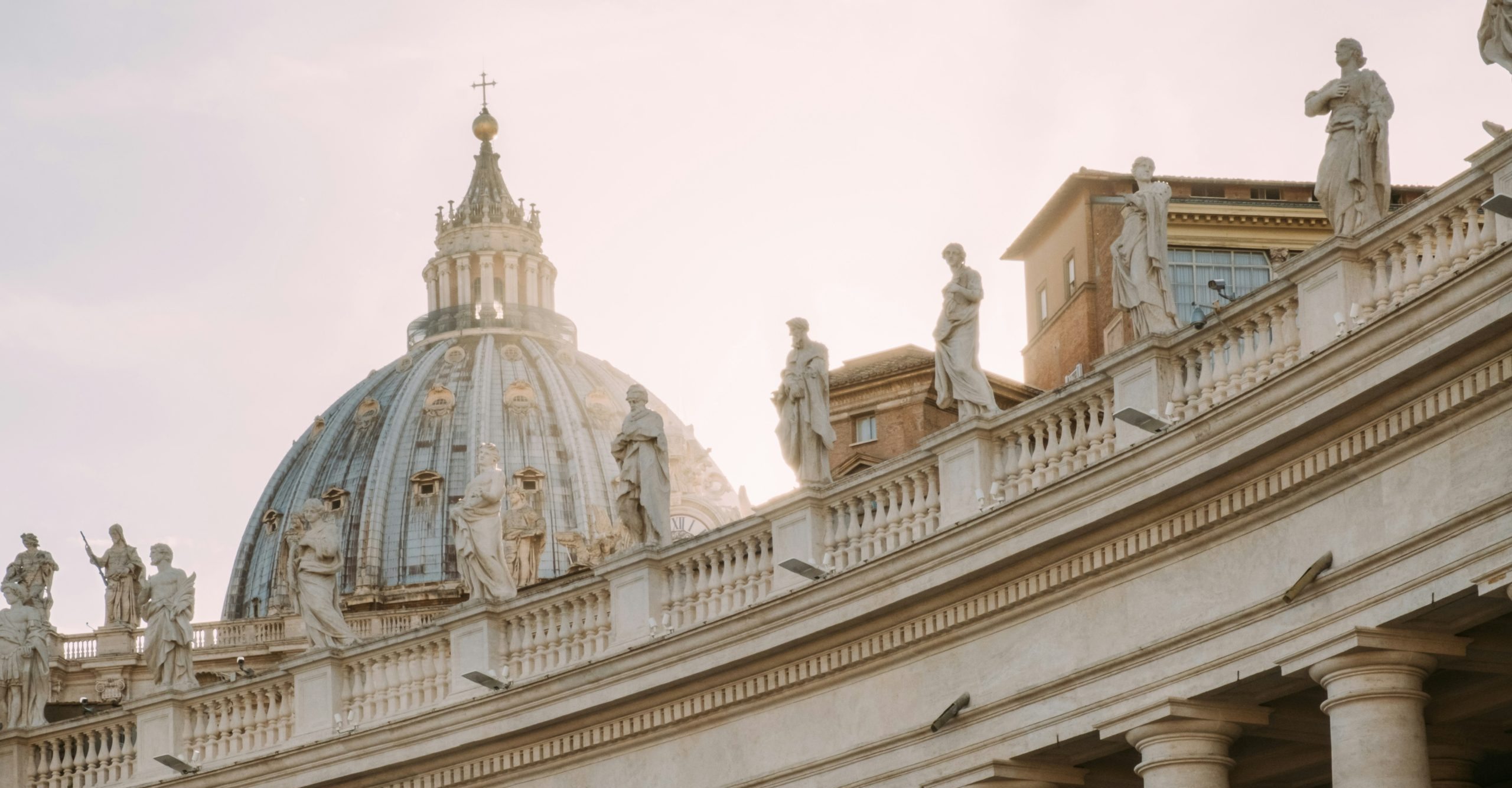
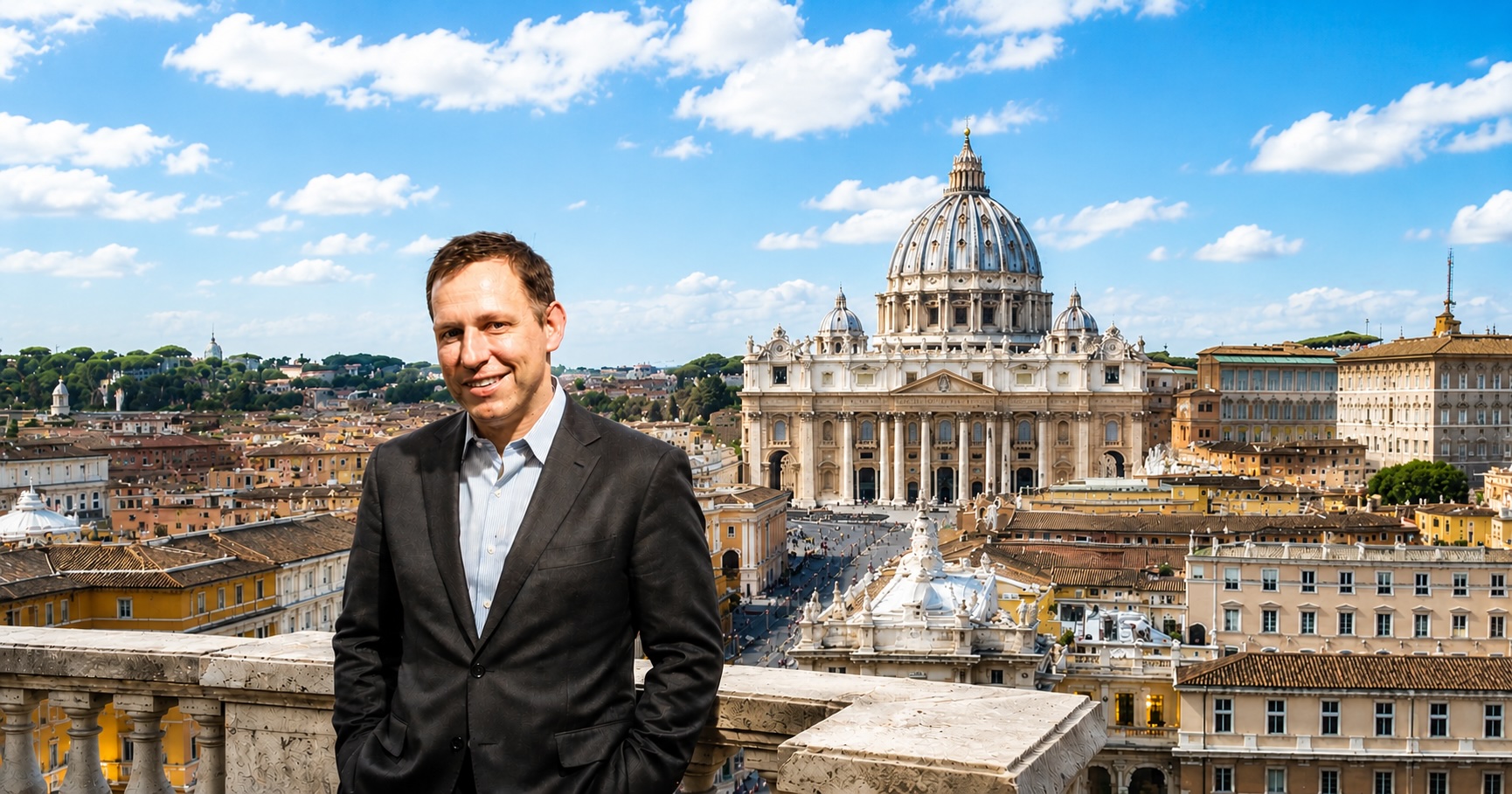
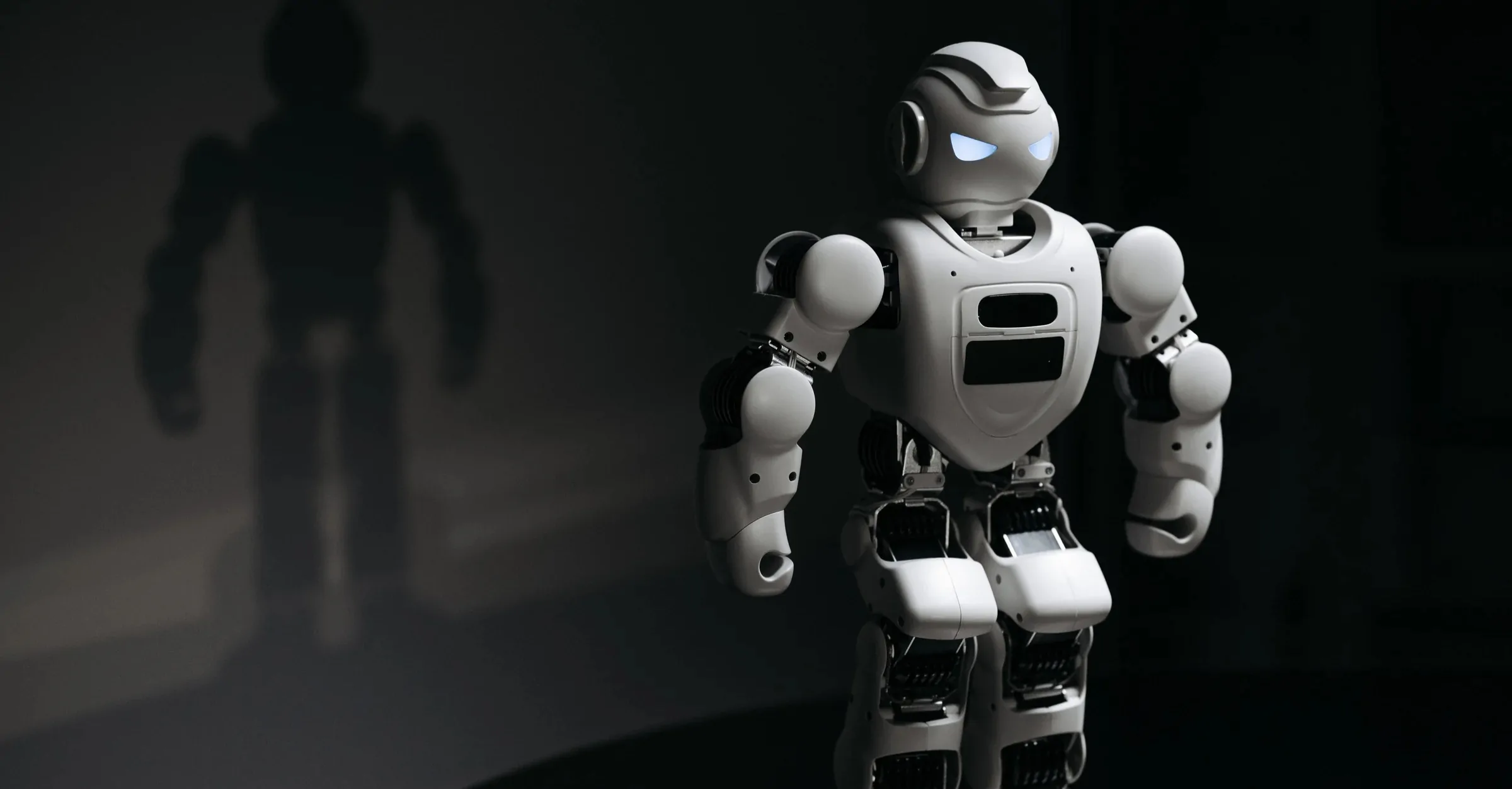
We have taught machines how to think; now we struggle to teach them how to behave, yet the …
November 14,
4:55 AM



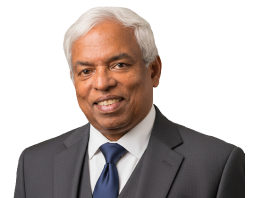
Dr. Kuruvilla Pandikattu is a scholar working at the crossroads of physics, philosophy, theology, and ethics. He is currently involved in research and publications at St. Xavier’s College, Maharo, Dumka, in Jharkhand, India. Pandikattu, after his postgraduate studies in science (MSc-Physics) at St. Joseph’s College, Tiruchirappalli, pursued his master's degree in philosophy at Jesuit-run Jnana Deepa Vidyapeeth (JDV) and an MPhil at the University of Pune.

As tech companies turn to religion for moral guidance, the real question is not whether machines can gain a conscience, but whether humanity has conscience enough to govern artificial intelligence.
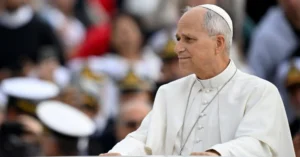
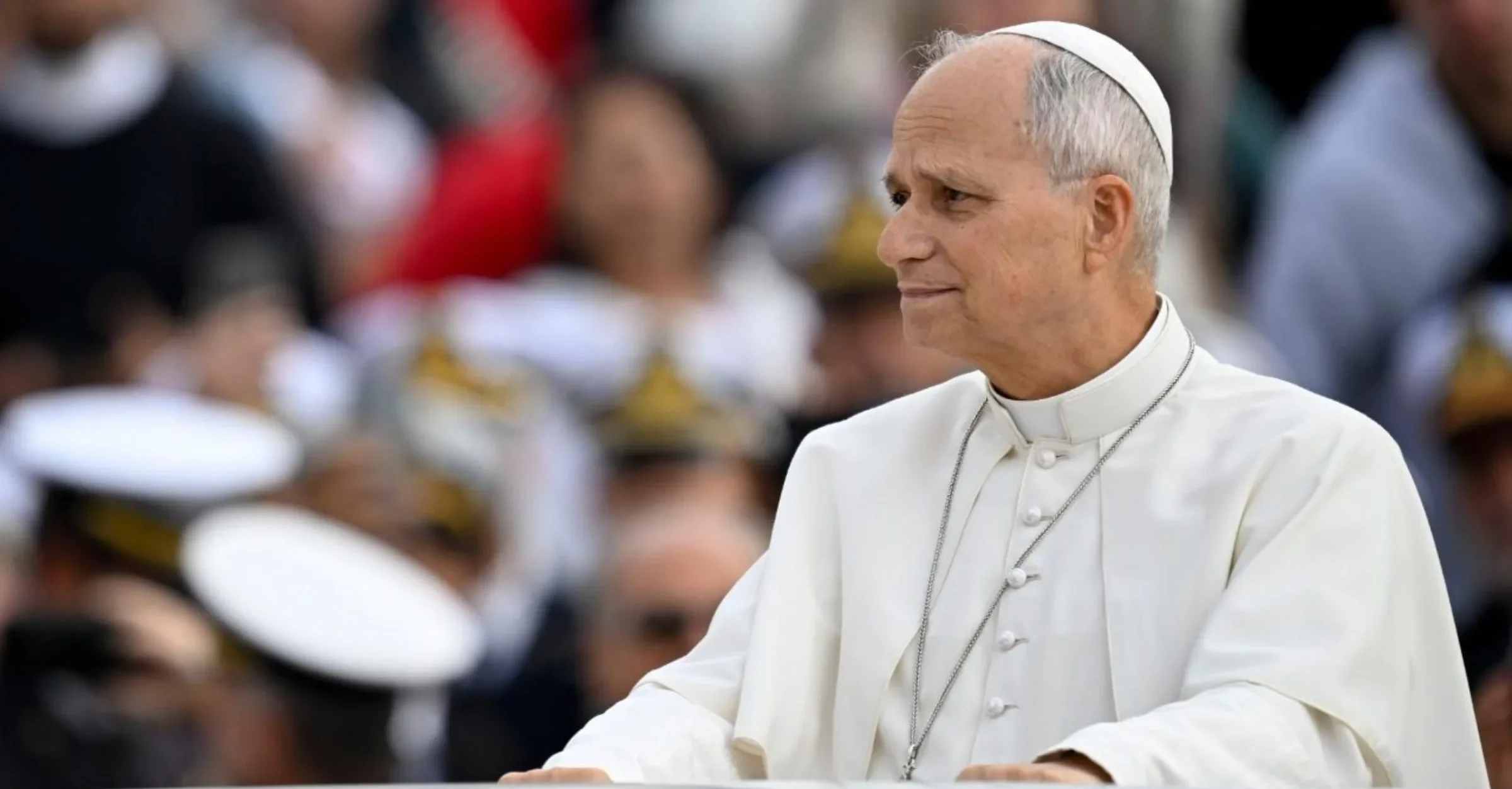
Forty years after Assisi, Pope Leo XIV warns that religion must never become a weapon of hatred or political domination, a message especially urgent for diverse India.

The Indian Church already depends enormously on women’s work, and the real task is not clericalizing them but moving from “help” to genuine co-responsibility, receiving their gifts more fully.

Meta’s landmark $18-billion settlement enforcing screen limits for teens compels parents and governments to resist attention-driven algorithms and protect childhood development.

Salvation cannot be measured or earned but remains an undeserved gift, calling for trust in God rather than confidence in oneself.
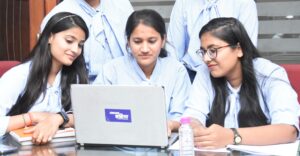
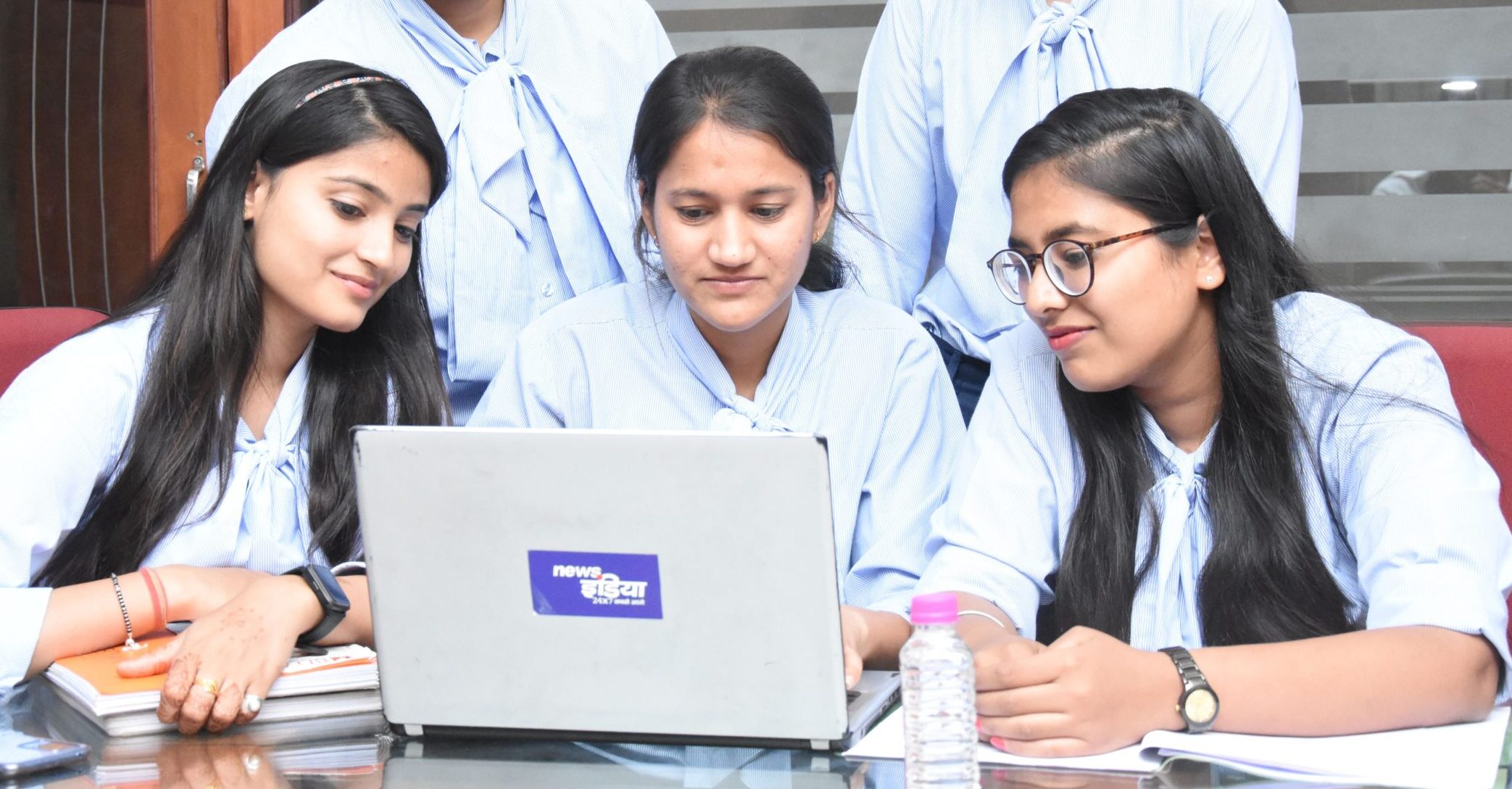
Artificial intelligence can expand educational opportunity, but without equitable access, ethical safeguards, and critical AI literacy, it could deepen inequality and create new forms of exclusion, surveillance, and concentrated power.
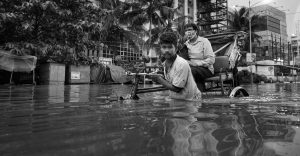
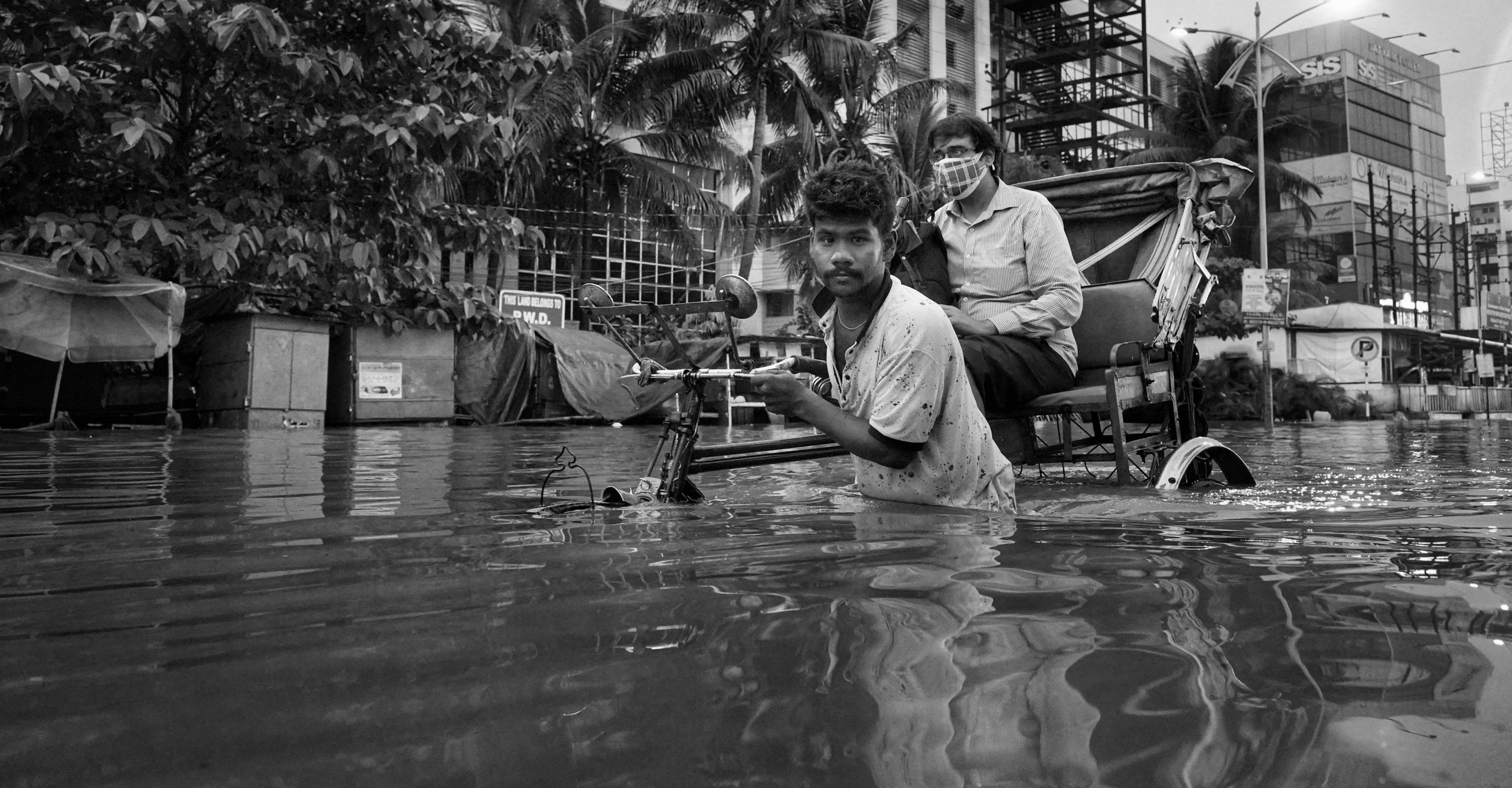
Climate change disproportionately harms vulnerable communities through heat, floods, illness, and displacement, underscoring the need for equitable policies, ethical responsibility, and stronger protections for those most at risk.
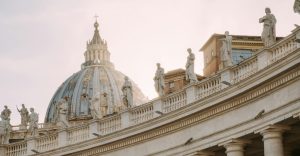
The Church must choose candor over convenience when war profits from fear, religion from faith, and healthcare from human fragility.
Join the remarkable Global Catholic journeyGlobal Catholic is proud to be independent—editorially, politically, ideologically and financially.
But independence comes at a cost. Without patron support, we depend entirely on readers and friends like you.
To sustain and grow Global Catholic, we need to raise US$250,000.