Spaniards—especially young people—distanced themselves from organized religion during the 1980s, following the 40-year dictatorship of Francisco Franco.
One of the primary reasons for this disconnect was the close association between Franco’s regime and the Catholic Church, including the influential Opus Dei prelature.
That era was marked by la Movida, a cultural movement characterized by newfound social freedom, widespread drug use and a delayed cultural revolution that echoed the social transformations much of Europe experienced in the 1960s and 1970s.


Interest in religion increases
Interest in spirituality has risen noticeably since the COVID-19 pandemic, however. According to Fundación SM, a Spanish educational foundation affiliated with the Company of Mary (Montfort Missionaries) religious order, the share of young people who consider religion very or fairly important in their lives has increased 16 percentage points over the past five years, reaching 38 percent.
That renewed interest extends beyond Catholicism. According to the Religion and Worldviews Barometer, published by the Foundation for Pluralism and Coexistence, 45 percent of young Spaniards now identify as Catholic — 14 percentage points more than in 2020. Only a small minority practice their faith regularly, however.
Marcos, a 19-year-old business student in Madrid, is one example. Raised in a practicing Catholic family and educated in Catholic schools, he’s now even more actively involved in the church than his parents.
His younger sister, Mónica, also spends considerable time with Catholic youth organizations and enjoys traveling with them. For her, though, the biggest draw is the sense of friendship and belonging she’s found within the group.
Spiritual awakening — or skillful influence?
The Foundation for Pluralism and Coexistence reports that only a small percentage of young people are deeply committed to a specific church or denomination, pray regularly or go to confession. Instead, many are seeking new spiritual experiences and greater self-awareness.
Some experts say this also helps explain why increasing numbers of young people are avoiding alcohol while experimenting with drugs that induce altered states of consciousness.
❝
Critics argue that some aspects of Spain’s “new spiritual awakening” resemble personality cults or sectarian movements.
The study describes these emerging forms of spirituality as “more personal and less institutionalized.” “They do not represent a return to traditional religion but rather a search for meaning and connectedness in the context of cultural and generational change,” the study said.
Yoga studios and meditation are booming
Housing costs, job insecurity, mental health concerns and the impact of social media rank among young Spaniards’ biggest worries. Many say they seek relief through relaxation and mindfulness practices, and the surge in yoga studios, meditation courses and wellness retreats reflects that trend.
According to the study, 31 percent of respondents said they believe in some form of spiritual reality or life force. About 29 percent said they strongly or fairly strongly believe in astrology, and 23 percent said they believe in clairvoyance.
These changing beliefs are also reshaping social media content aimed at young audiences. A separate survey conducted by the Protestant counseling organization Centro de Ayuda Cristiano in Madrid, involving 4,138 people ages 18 to 35, reached similar conclusions: Nearly 73 percent said they seek spiritual solutions to life’s problems.
A return to traditional values
Artificial intelligence is creating uncertainty about future careers, while climate change — particularly visible in Spain — has intensified concerns about the future. Music continues to inspire hope, much as it did during the counterculture movements of the 1960s.
One notable example is Hakuna, a Catholic youth movement founded by a former Opus Dei priest that combines contemporary music with religious themes. The movement has attracted large audiences both in Spain and internationally.
Spanish pop star Rosalía has also incorporated spiritual imagery into her performances. During her Lux Tour, she appeared dressed as a nun and compared her commitment to music with the dedication of religious sisters she admires. Fans were encouraged to attend her concerts dressed in white, becoming part of the artistic experience.
Concerns about cult-like movements
Critics argue that some aspects of Spain’s “new spiritual awakening” resemble personality cults or sectarian movements. Church leaders, however, see the renewed engagement of young people — especially through social media — as an encouraging development.
In some cases, the trend also overlaps with growing nationalist and socially conservative movements. According to a survey cited by the left-leaning online newspaper Público, support among young voters has helped the far-right Vox party, led by Santiago Abascal, more than double its share of the vote to over 17 percent since 2023.
Meanwhile, the conservative daily ABC has warned that young people may become vulnerable to self-proclaimed spiritual “gurus.”
One recent example involves the Daughters of Merciful Love (HAM), a public association of the faithful placed under the supervision of the Archdiocese of Madrid at the end of July.
Before that intervention, the group had reportedly capitalized on growing spiritual enthusiasm to recruit new members.
Observers have compared the situation to the 1980s and 1990s, when some young people became involved with charismatic religious movements in India, resulting in cases of suicide and drug addiction rather than genuine spiritual renewal.
As a result, Spain’s official church institutions are paying much closer attention to the current wave of spiritual enthusiasm among young people.
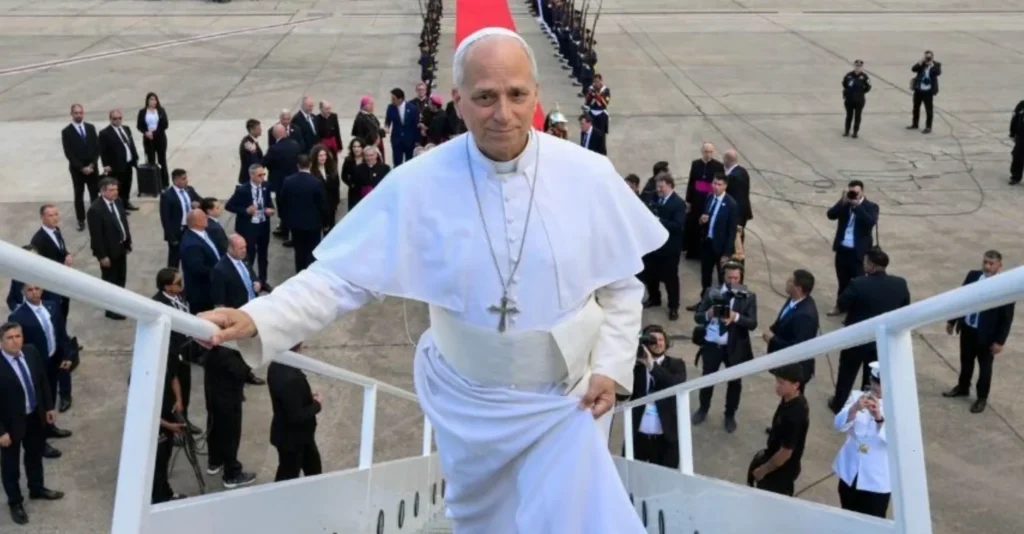
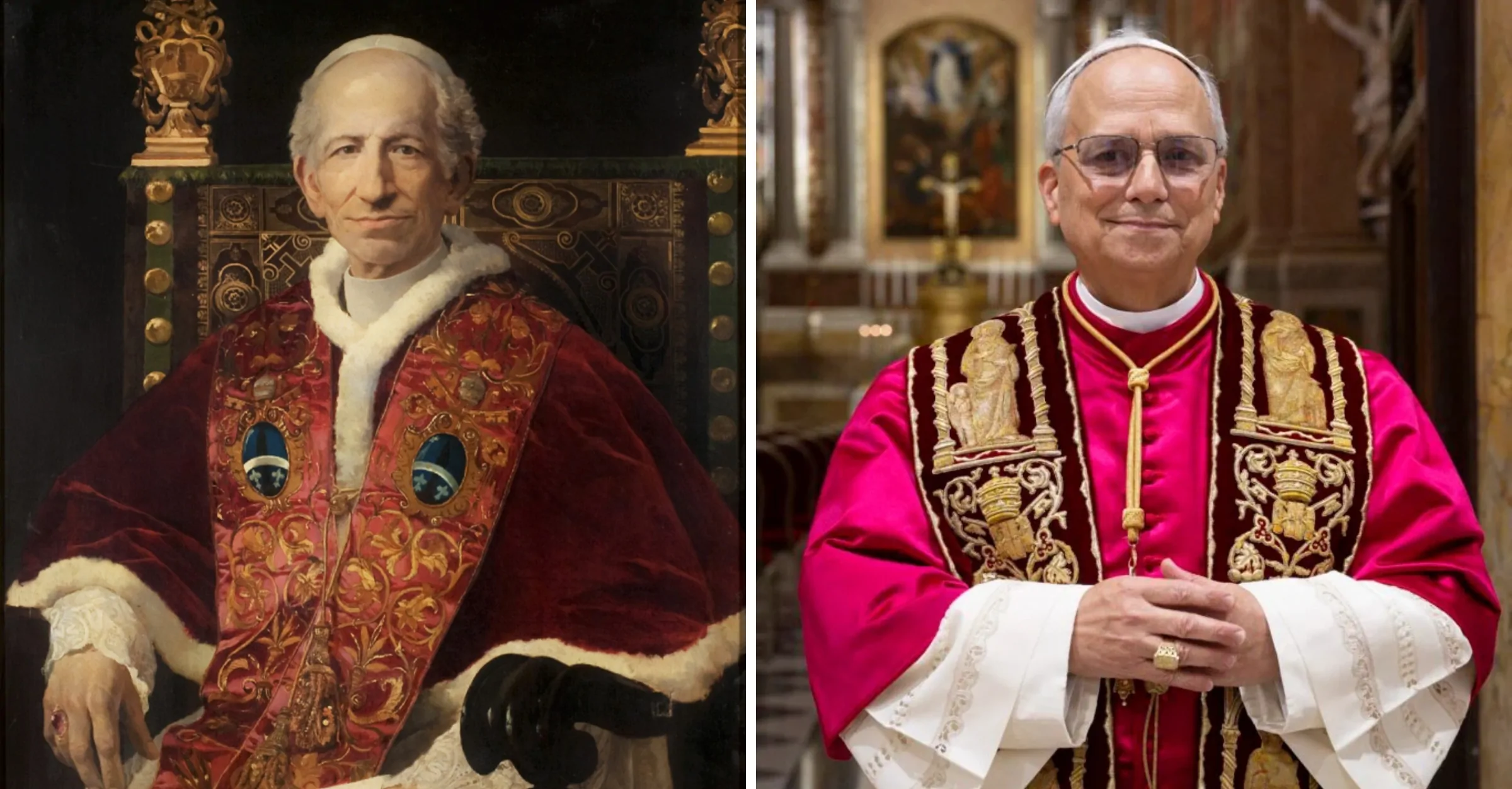
That enthusiasm was also evident during Pope Leo XIV’s visit to Spain in June, when young Catholics welcomed him with songs and dancing.
Like many social trends, spirituality has also become a lucrative business. According to Fortune Business Insights, the global yoga industry generated an estimated $63.82 billion in revenue in 2025, with projections suggesting the market could nearly double in 2026.
This is a translated and edited version of the feature that first appeared on DOMRADIO.DE and has been republished with permission by Global Catholic.