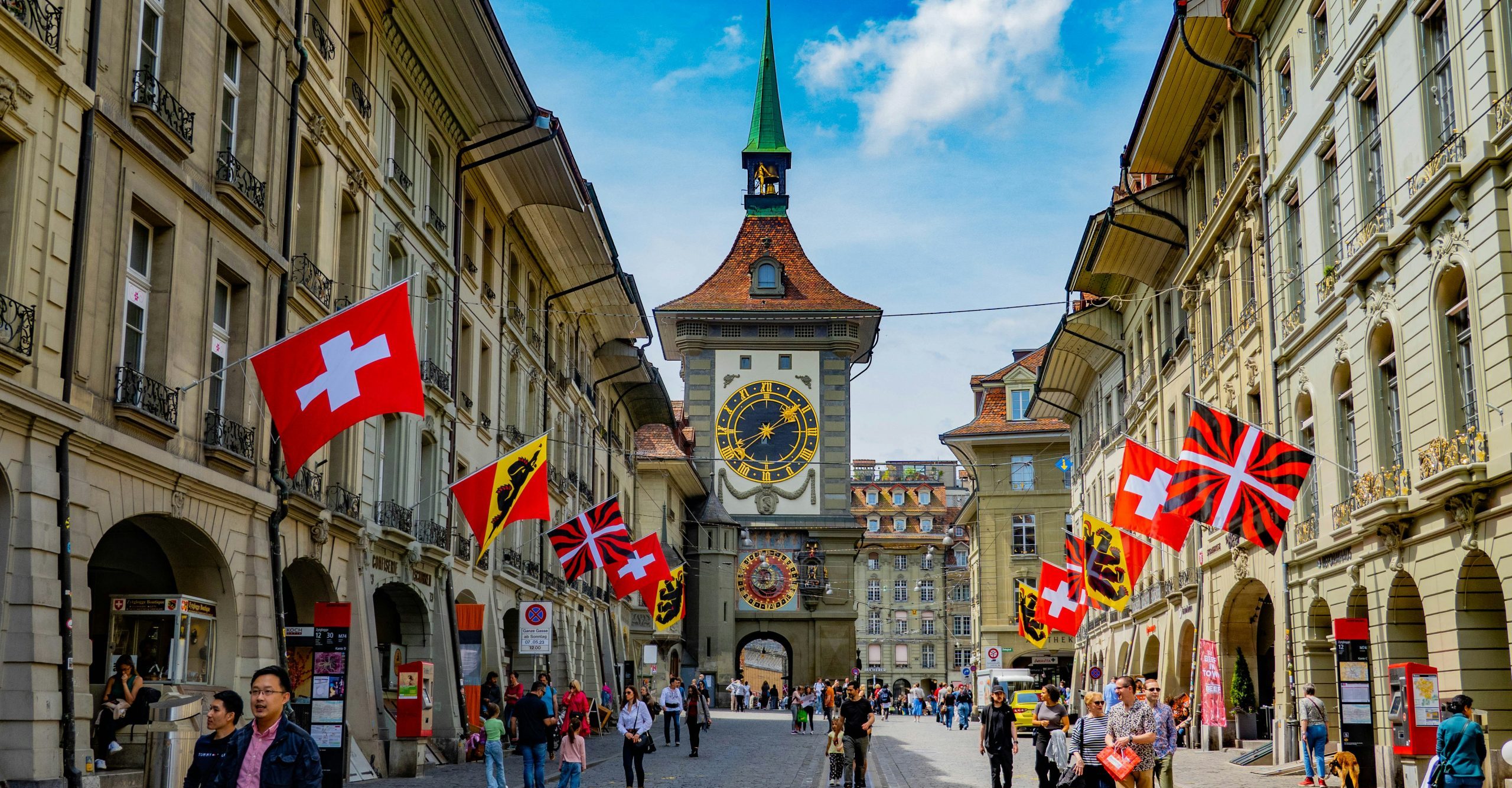
Despite growing skepticism toward migration in Europe, the Swiss have rejected an immigration cap in a June 14 referendum. Some 55 percent of voters rejected the proposal to cap the country’s permanent resident population at 10 million by 2050 by restricting immigration and asylum.
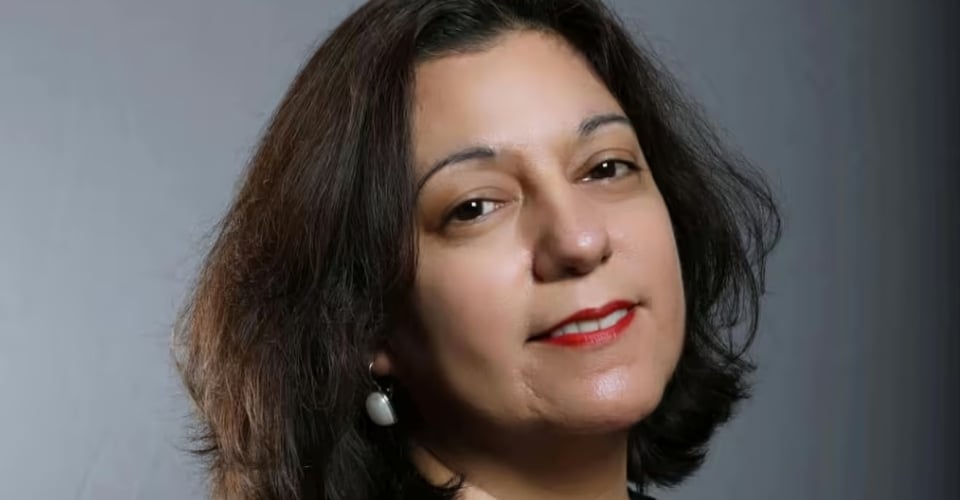
Migration expert Isabel Vasquez explains why she sees the vote as a sign of responsibility. Vasquez currently serves as the national director of Migratio, the migration service wing of the Swiss Bishops’ Conference
Why do you think the Church in Switzerland welcomes the vote against the population cap?


The Catholic Church welcomes the rejection of the initiative because human dignity must not be made contingent on a demographic figure.
That would contradict a central principle of Catholic social teaching. Human dignity is inviolable and non-negotiable. Migration is a deeply human reality that must be viewed not only at the administrative level but also from anthropological and ethical perspectives.
The Swiss Bishops’ Conference has therefore repeatedly emphasized that family life, the protection of rights, and international agreements must not be constrained by rigid caps.
Such a regulation would have fueled fears and imposed additional burdens on people already in difficult situations.
Pope Leo XIV’s new encyclical (Magnifica Humanitas) also underscores that Christian societies must be shaped not by fear, but by responsibility and mercy.
What does the result — 55 percent voting against the cap — show?
The result shows that most people do not support policies that call human rights or international obligations into question.
However, the result makes clear that the issue strongly concerns society. The fact that 45 percent voted in favor also shows that many people are worried about housing, transportation, or social change. These concerns are real and deserve attention.
However, the “No” vote shows that Switzerland is prepared to take responsibility rather than isolate itself. It also shows that people think in nuanced ways and reject simplistic solutions that come at the expense of the most vulnerable.
How do you see the Swiss People’s Party (SVP) argument based on the so-called “density stress” — the idea that too many people in the country create undesirable problems?
The narrative of “density stress” reflects real experiences: housing shortages, overcrowded trains, and pressure on public spaces are challenges many people perceive.
However, these problems have structural causes, such as housing, transportation, or spatial planning policies. It would be too simplistic to attribute them solely to migration.
The Church has been warning for years against projecting social tensions onto individual groups. Through our daily work in migration pastoral care, we know that migrants are not only part of society but also actively help shape it.
What would it have meant in practical terms if the cap had been introduced?
The consequences would have been far-reaching and difficult.
The initiative would have put pressure on international agreements with the Schengen Area (the world’s largest borderless travel zone, comprising 29 European countries that have abolished internal border controls), on freedom of movement, and on relations with the European Union.
Swiss citizens living abroad would also have been affected. Family reunification would have become more difficult, and there would have been direct interference with fundamental rights.
In addition, Switzerland is facing a major wave of retirements among the baby-boomer generation. Without migration, sectors such as healthcare, education, industry, and many church services would be difficult to sustain.
A cap would also have increased uncertainty, worsened the social climate toward migrants, and caused significant harm to the country.
How do you perceive the mood in the country toward migrants?
The mood is ambivalent. In the cities, including Zurich and Basel, and in French-speaking Switzerland, there is a high degree of openness. In rural regions, however, there is more uncertainty, often because personal encounters are less common.
Many people have concerns that must be taken seriously. At the same time, we experience solidarity, a willingness to help, and gratitude every day.
One should not forget that around 40 percent of the population has a migration background. Migration has long since become a normal part of life in Switzerland.
What does this mean for the Swiss Church?
Our mission is clear: to build bridges between people with different experiences. We must create spaces for dialogue and encounter to reduce prejudices.
At the same time, we must protect people in precarious situations, especially refugees and families. The Church must strengthen social cohesion and defend human dignity, even when it comes under political pressure.
What implications does this referendum hold for European nations and the broader Western world, where restrictive migration policies are gaining popularity?
Switzerland has shown that a democratic society can say “No” to a politics of fear.
In his encyclical, Pope Leo spoke of choosing responsibility instead of fear. That is exactly what this referendum result reflects.
The result makes it clear that an open and supportive society is possible even in times of uncertainty.
This is not only a signal for Switzerland, but also for Europe: there are alternatives to isolationism — namely human rights, international cooperation, and a migration policy that is both realistic and humane.
This is a translated and edited version of the German-language interview that was first published by DOMRADIO.DE, and has been republished with permission by Global Catholic.