
“The rejected stone has become the cornerstone.” — Psalm 118:22
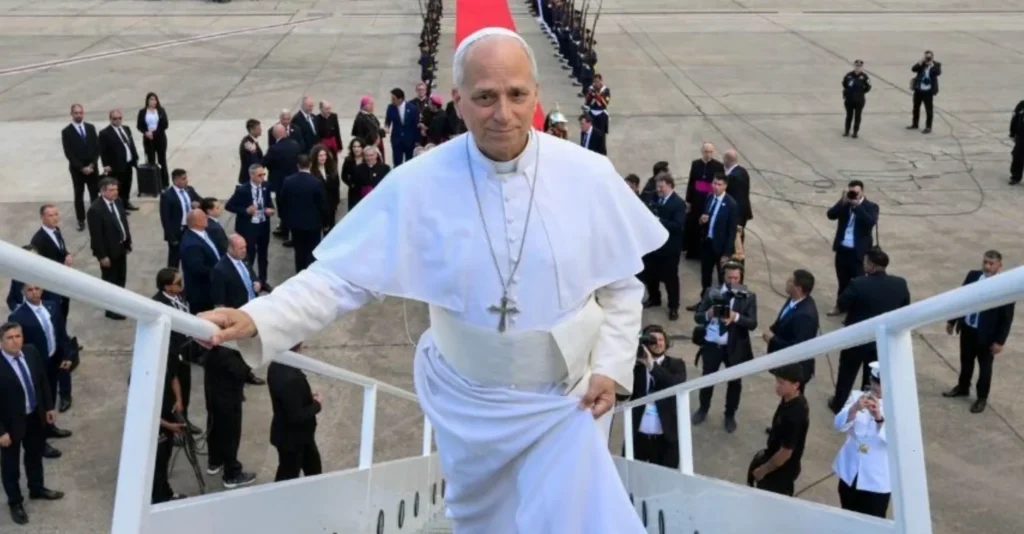
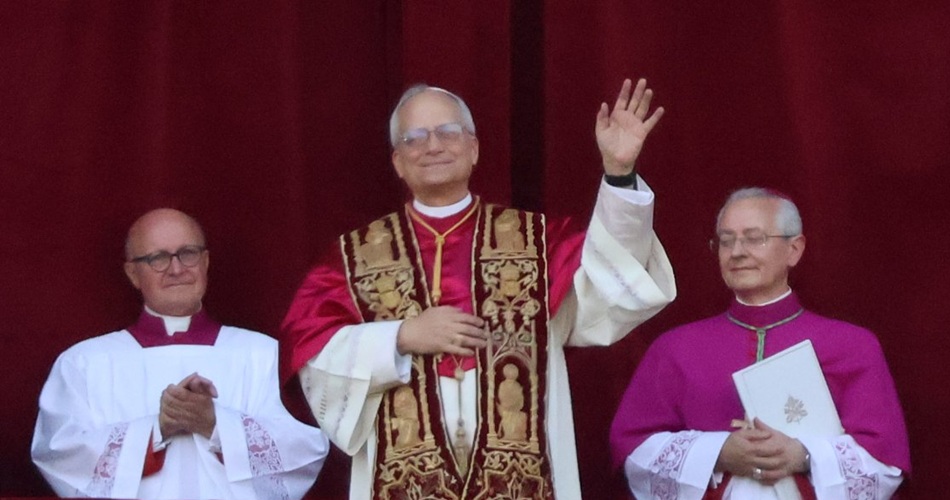
On May 8, when the white smoke rose from the Sistine Chapel, it announced not just a new pope, but a radically new possibility.
Pope Leo XIV, born Robert Francis Prevost, was elected head of the Roman Catholic Church. But what sets him apart is not that he is the first American pope. It is that he carries within him the memory and identity of a people once enslaved, once erased, once deemed unworthy.


Pope Leo XIV’s maternal ancestry traces back to Haiti, the first free black republic, and to the Afro-Creole community of New Orleans, a population that has long lived between worlds — black and white, African and European, visible and invisible.
For Dalit Christians in India, his election is not just symbolic. It is prophetic. It is a call to hope and a challenge to the Church in India to see finally and fully those it has failed to embrace.
Unveiling a buried identity
Pope Leo XIV’s maternal grandparents — Joseph Norval Martinez and Louise Baquié — lived in the Seventh Ward of New Orleans, a district historically known for its Creole and black population.
In the 1900 US Census, both were identified as black. Joseph Martinez was born in Haiti, a land forged in the fires of slave rebellion, where people once considered subhuman overthrew their masters and claimed their dignity.
Yet by the 1920 Census, the family was listed as white, a phenomenon known in American history as “passing” — a desperate, strategic decision by some families to escape the brutal confines of racism by assuming a new identity. The need to hide one’s blackness to survive speaks to the violence of systemic exclusion.
That Pope Leo XIV’s identity carries this hidden heritage matters deeply. It is not a political point. It is a theological one. He is not a pope from the comfortable center — he is a pope from the margins, shaped by the bloodlines of struggle, memory, and silence.
Dalit Christians: Still unseen, still unheard
In India, Dalit Christians are the spiritual backbone of many dioceses. They sweep the church floors, sing in choirs, teach catechism, and attend daily Mass. Yet, even after conversion to a faith that claims to abolish all divisions in Christ, they find themselves trapped in the same hierarchies that oppressed them before baptism.
The caste system has insidiously infiltrated Indian Christianity. Dalit priests are often kept away from positions of leadership. Dalit nuns are assigned menial roles. Dalit communities are given separate seating in some churches, and their voices are still missing in seminaries, theology syllabi, and episcopal conferences.
This is not just a sociological problem. It is a spiritual concern — one that calls for prayer, discernment, and the will to walk more closely in the footsteps of Christ, who came not to be served, but to serve.
Why Pope Leo XIV’s papacy matters
Pope Leo XIV’s heritage is a living witness to the truth that those once excluded can become leaders of the universal Church. His life shows that the Church is capable of recognizing holiness not only in the powerful, but in those whose ancestors were denied full humanity.
For Dalit Christians, this moment must not pass without recognition. His election shows:
- That identity shaped by suffering and marginality is not a liability in the Church — it can be a source of moral authority.
- That true leadership comes not from social rank but from spiritual credibility, born in hidden places.
- That the Church’s future lies in listening to the stories of the crucified, not the comfortable.
Pope Leo XIV represents a model of leadership that the Indian Church must now reflect upon: A leadership rooted in humility, ancestry, and the memory of oppression, not in hierarchy or privilege alone.
A gentle invitation to the Indian Church
The story of Pope Leo XIV is a gentle yet clear invitation to the Indian Catholic Church to pause and reflect. His election offers an opportunity not for shame or blame, but for renewal. It invites the Church in India to consider how it might more deeply honor the full richness and dignity of its Dalit faithful.
This is a moment to;
- Listen more attentively to the lived experiences of Dalit Christians in parishes, schools, and religious life.
- Encourage greater representation of Dalit voices in leadership roles, seminaries, and theological reflection.
- Affirm and celebrate Dalit spirituality and liturgy as an integral part of the Catholic tradition in India.
This is not about political correctness. It is about spiritual integrity. It is about becoming more authentically Catholic — katholikos, meaning universal. A Church that hears the cry of every heart and welcomes every part of the Body of Christ is a Church that lives the Gospel most fully.