
Pope Francis created a seismic shift in the Catholic Church with his emphasis on Synodality. For him, it is the path that “God expects of the Church in the third millennium.” He regarded it as the Church’s modus vivendi et operandi(mode of living and operating).
It is remarkable that the synodal consultations and conversations, as well as the Synod on Synodality in 2024, aren’t confined to bishops but also include laypeople. The late Pope wanted the Church to be truly the People of God, in which the laity has the right and opportunity to actively participate in the Church’s life.
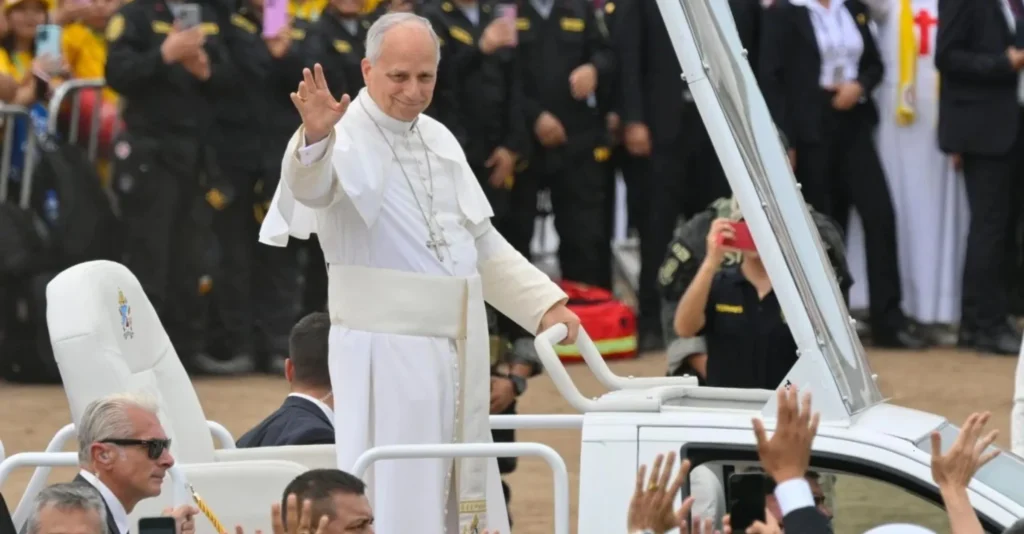
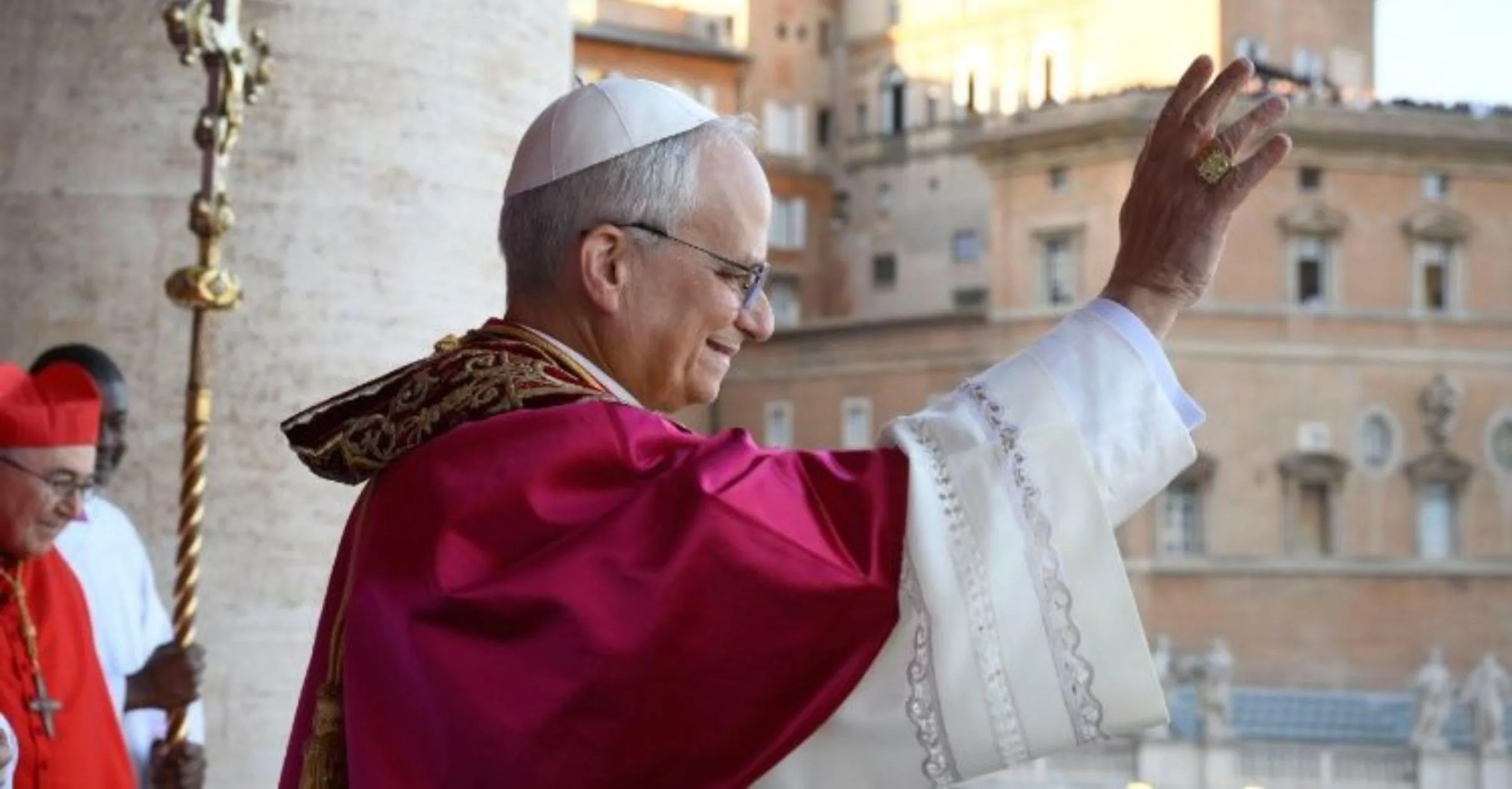
Providentially, Pope Leo XIV picked up the process from his predecessor, making Synodality an integral aspect of his own papacy. As he himself said, “I think that Synodality is an attitude, an openness, a willingness to understand. Speaking of the Church now, this means each and every member of the church has a voice and a role to play through prayer, reflection…through a process…of dialogue and respect for one another. To bring people together and to understand that relationship, that interaction, that creating opportunities of encounter, is an important dimension of how we live our life as church.”


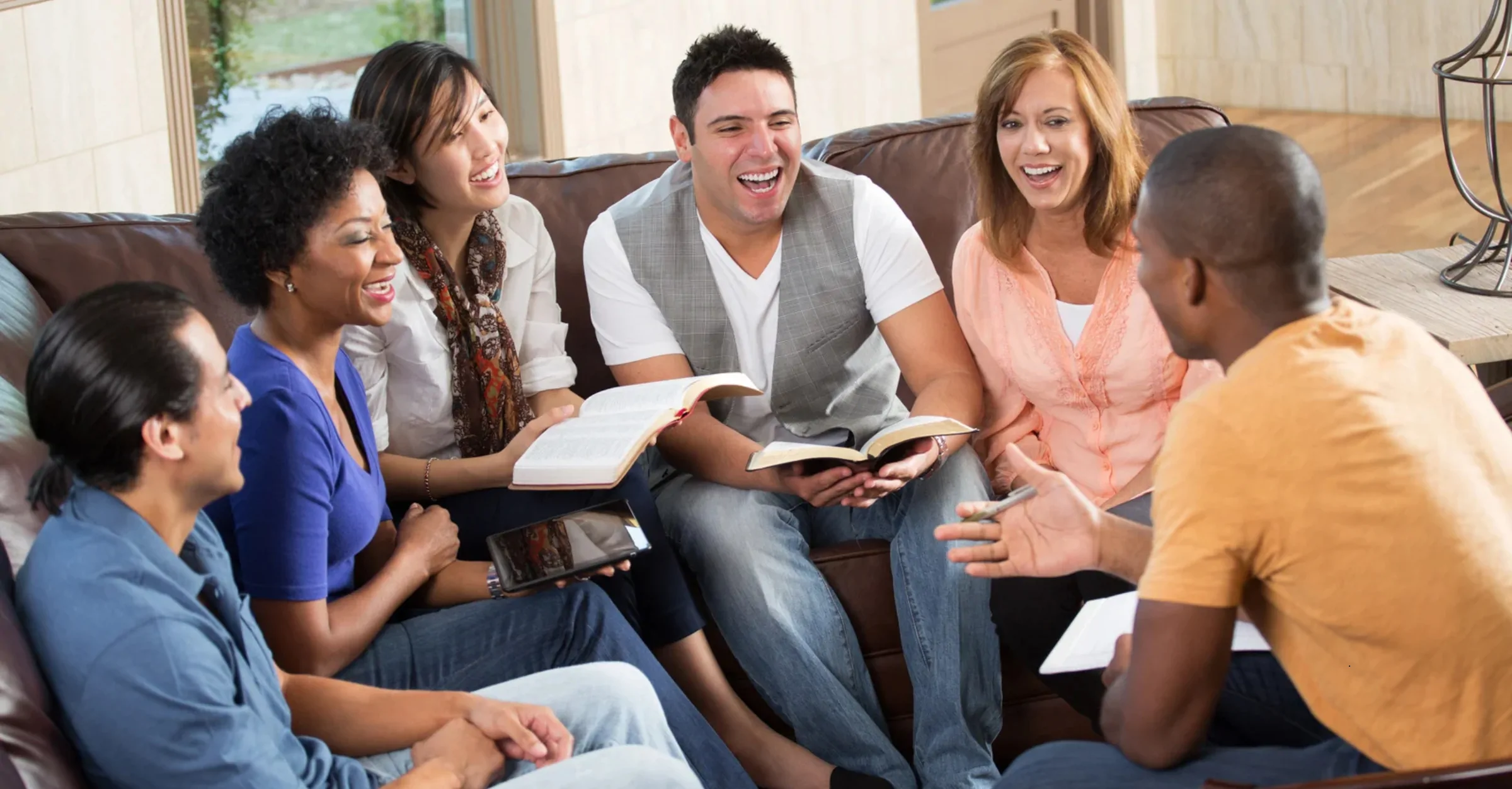
In order for the Church to truly “walk together” and “encounter” one another, it has adopted conversations in the Spirit, or spiritual conversations, as a key tool. The conversations so far have focused on pressing pastoral and theological issues facing the Church.
However, one issue that has received little attention at the grassroots and national levels is the divisive effects of politics, particularly populism, on the Christian community. For instance, we have seen how populist politics has divided the Church in the United States and the Philippines.
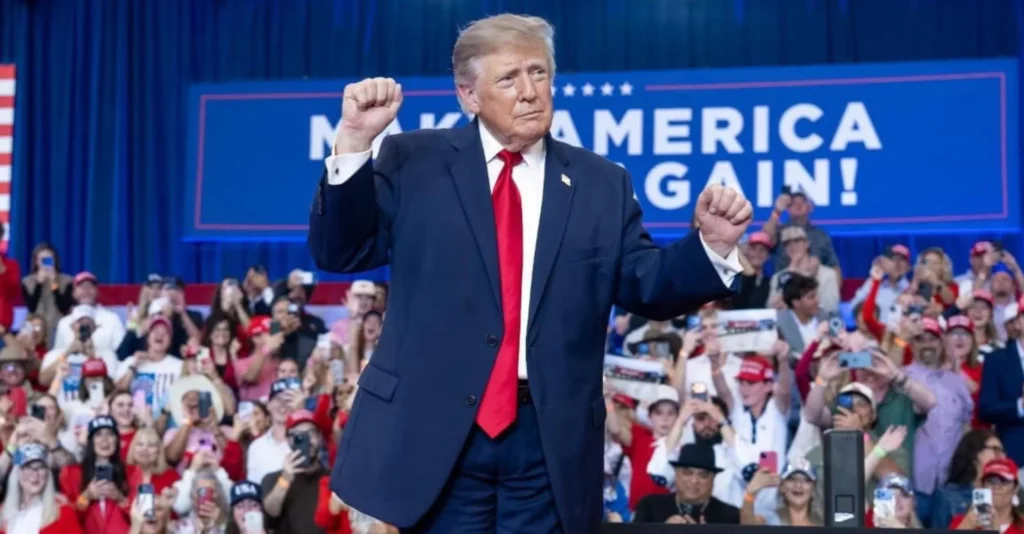
Recently, US President Donald Trump criticized Pope Leo’s stance on the war in Iran and even posted an image of himself as Jesus Christ. Reactions from his conservative base, including Catholics, were mixed, with some aghast and others defending him.
In the Philippines, former President Rodrigo Duterte has been divisive among Filipino Catholics. On the one hand, the Philippine bishops’ conference and individual bishops have criticized the excesses of his regime, particularly the human rights violations committed during his “war on drugs.”
On the other hand, many Catholics, especially those living in Duterte’s base, Mindanao, have used religious language to express support for him.
While the Philippine Catholic Church may present a united front on doctrine, it is divided over political loyalties. For instance, the bishops view the impeachment of Philippine Vice President Sara Duterte, the former president’s daughter, as a matter of transparency and accountability, but her supporters, most of whom are Catholics, regard it as political persecution.
Given the divisive effects of politics as practiced, it is critical that, in local churches where populist rhetoric predominates and populist leaders are in power, there be conversations in the Spirit within the Church.
Town hall meetings and political debates are important but people who go there don’t really intend to learn and be enriched by the experiences of others. Town hall meetings are forums for leaders to inform and update their constituents, and for people to ask questions about the government’s actions and inaction and policies, and express their grievances. Those who engage in political debates intend to show the audience that they or their platforms are better than their political opponents and their policies.
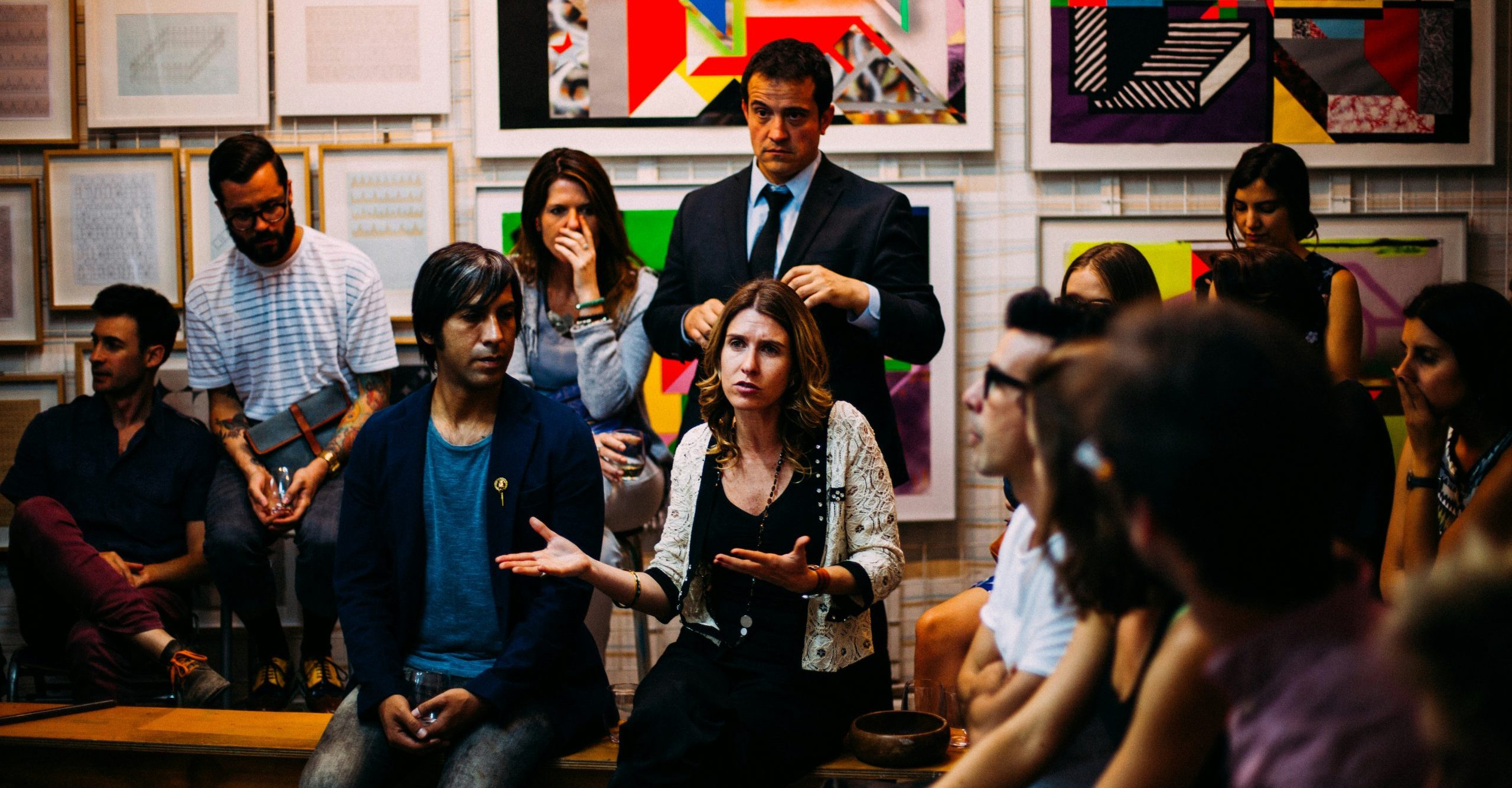
Hence, there is a need for a platform in which we, as a Christian community, and not as political partisans, come together and engage in genuine dialogue, and communally discern where the Spirit is leading us. The spiritual conversations will not be easy, since political partisanship evokes strong emotions and visceral reactions.
Politics, as we know, is often polarizing. Those conversations demand “active listening and speaking from the heart,” as well as a great deal of humility from the participants. When they are conducted in the context of discernment, a mutual commitment to seek God’s will, the primary consideration for participants will not be whether they need to defend their political idols or beliefs but whether they are faithful to the Spirit.
Just as in any other conversation in the Spirit, political conversations will help them not only know their dialogue partners but also discern where the Spirit is leading them. It is important to note that “the aim of spiritual conversation is to create an atmosphere of trust and welcome, so that people can express themselves more freely. This helps them to take seriously what happens within them as they listen to others and speak. Ultimately, this interior attentiveness makes us more aware of the presence and participation of the Holy Spirit in the process of sharing and discernment.”
People on opposite sides of the political divide don’t ordinarily talk to one another, much less consider that they can learn from each other, even if they belong to the same Church. If we, as a Church, are to work together for the common good and build a just society, we need to engage in spiritual conversations and find common ground.
This conversation will be an important first step in understanding where the other is coming from and why they hold certain political beliefs or support or detest certain politicians. It is tempting to block or unfollow on social media, or to ignore those who don’t share our politics or whose political beliefs we find particularly abhorrent. But synodality challenges us all to “remain in the relationship” and “to open ourselves to a genuine relational conversion.”
We don’t yet know what will happen in our spiritual conversations about our political life, but we need to let the Spirit disturb and surprise us through others. In the process, as we grow as a synodal Church, we will indeed be able to “walk together” with Jesus, like the two disciples on the way to Emmaus. Hopefully, in that journey, our eyes will be opened as we encounter one another, and our hearts will burn as we discover the Scriptures in the lives of others.