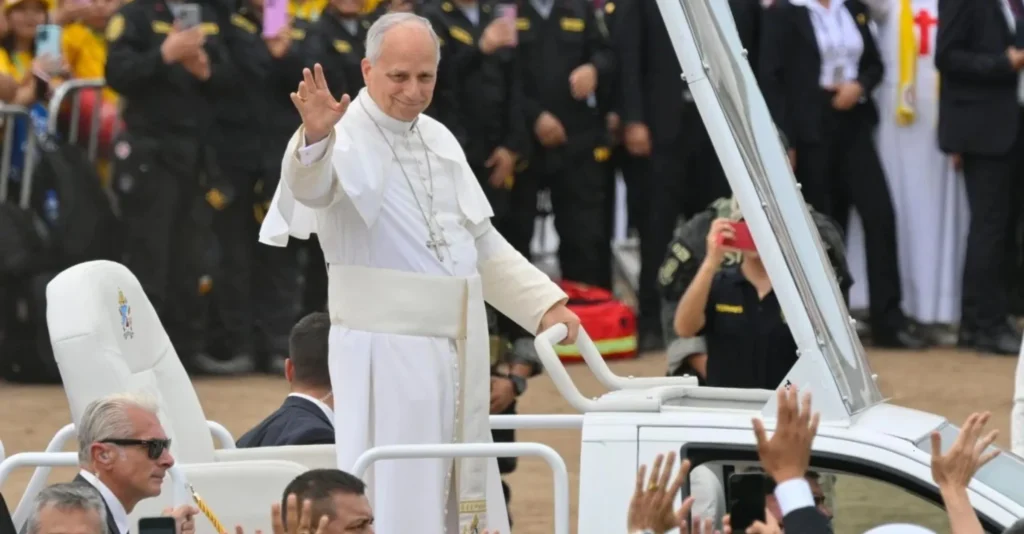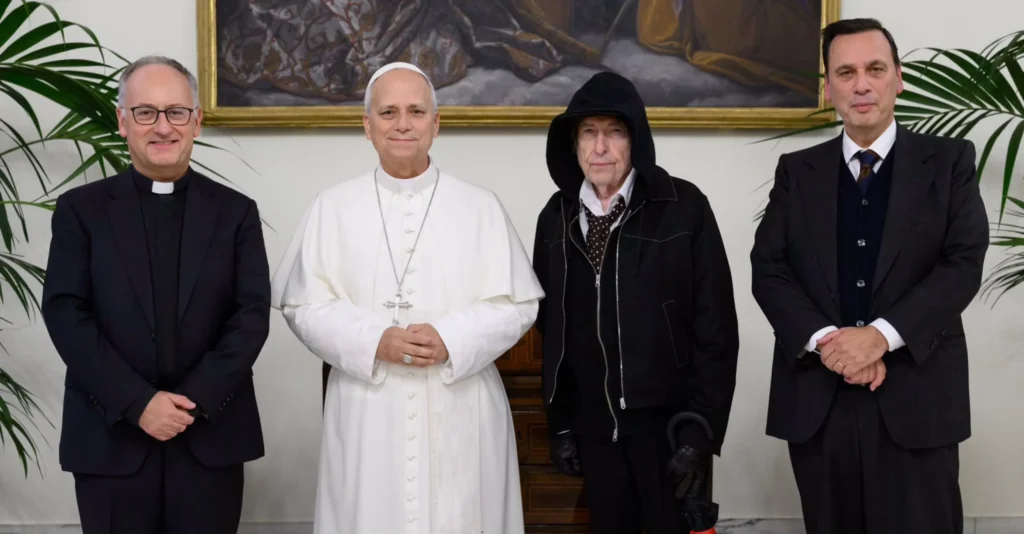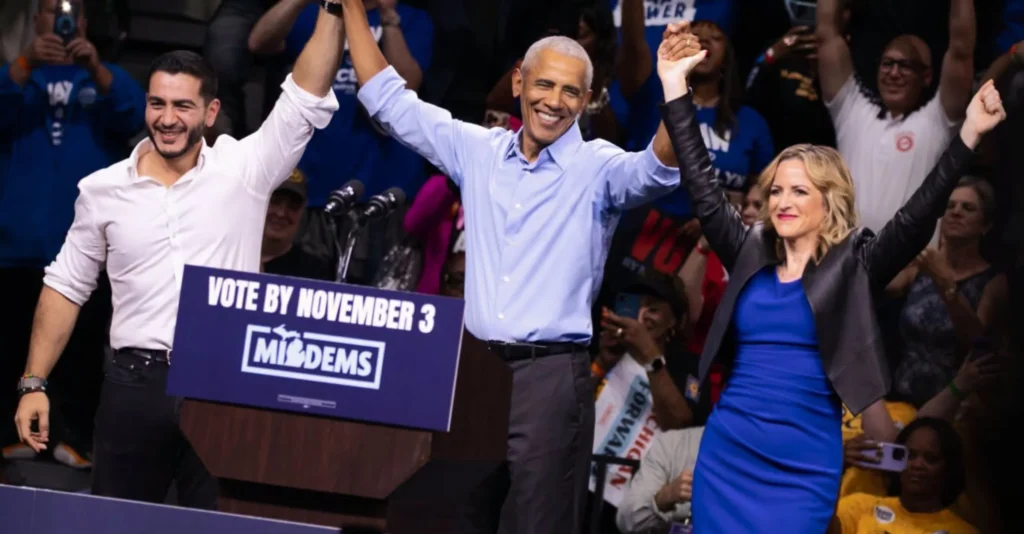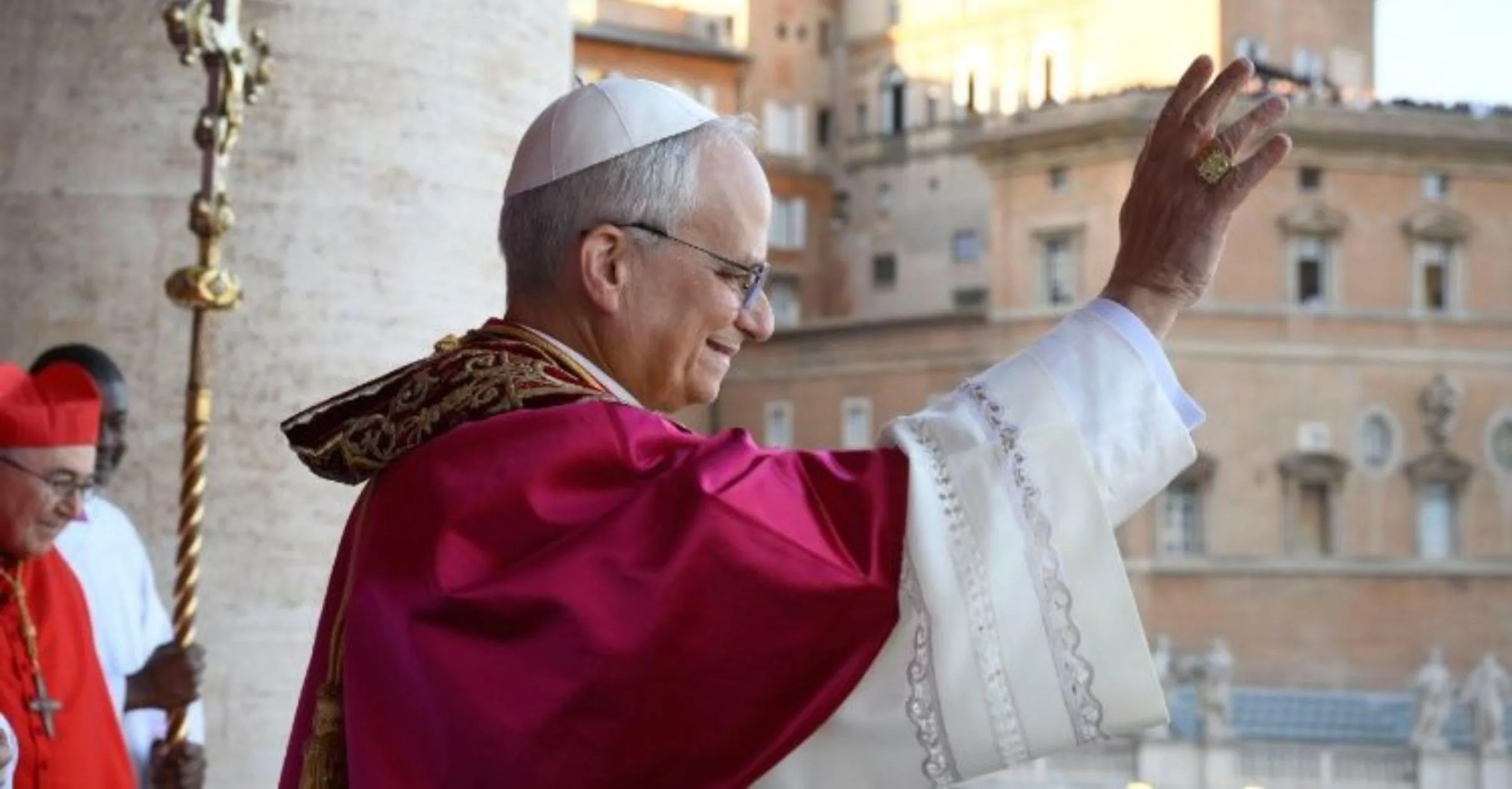
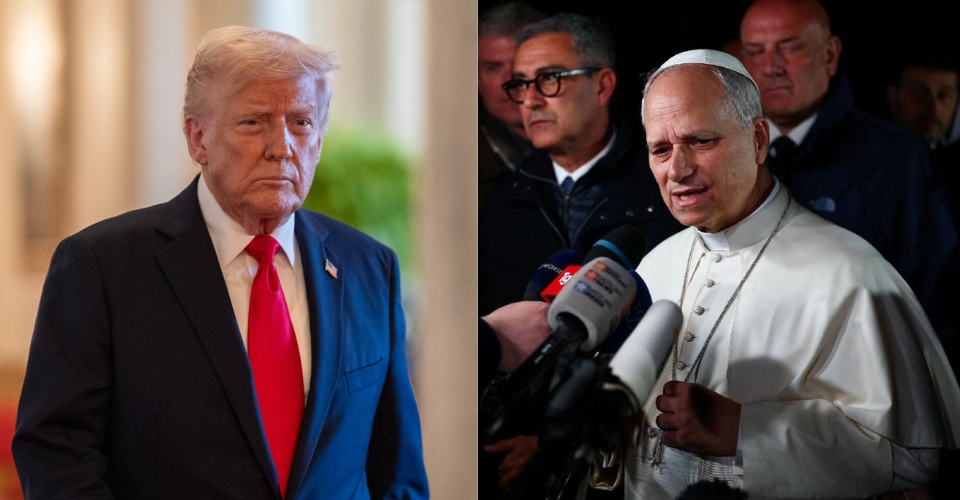
My Pope, Leo XIV, and my President, Donald Trump, are at odds.
I call them mine, though I played no role in the election of either one because I am not part of the cardinals who elect a pope, and I voted against President Trump three times.
But I am a Catholic citizen of the United States, so both are mine whether I like it or not.


My president has criticized my pope, claiming that Pope Leo thinks it is all right for Iran to have nuclear weapons and that the pope is “WEAK on Crime” (in his upper-case lettering) and needs to “get his act together.”
In fact, the Vatican does have the highest crime rate per capita of any European city, perhaps even the highest in the world. That is because its population is fewer than one thousand, but among the millions of pilgrims and tourists who visit there each year, more than a thousand are arrested for pickpocketing and purse snatching. So, the ratio of criminals to residents makes the Vatican appear crime-ridden.
That, of course, is not what President Trump was referring to in his comment. It is just part of his usual attack on national leaders with whom he disagrees or who disagree with him.
As for nuclear weapons, the Catholic Church teaches that even the possession of such weapons by any nation, including the United States and Iran, is immoral.
Pope Leo, for his part, has repeatedly called for faithfulness to what Christ has shown us, the primacy of active love, and a commitment to justice and peace.
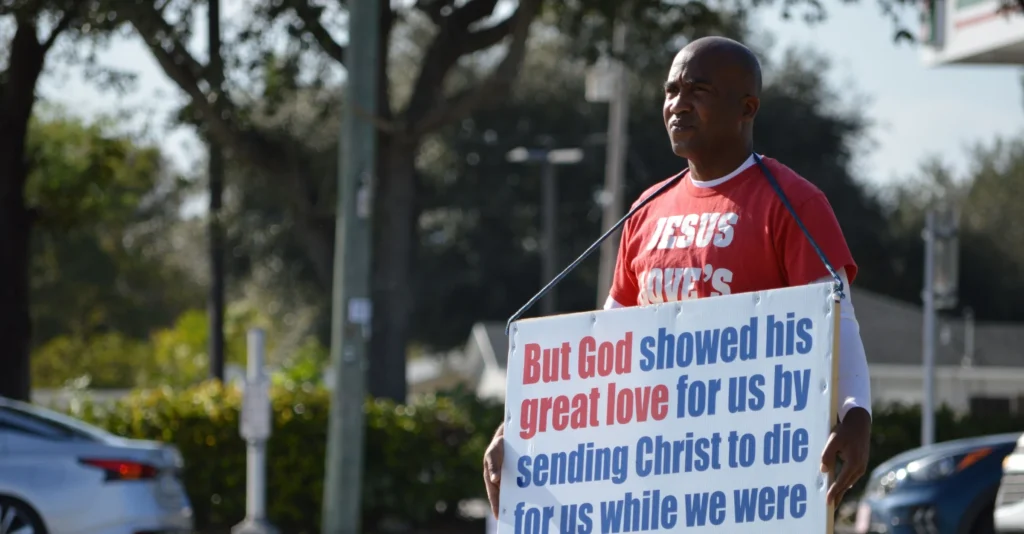
It is significant that my fellow citizens who trumpet what they call Christian Nationalism in support of our president do not quote Jesus to support his or their opinions and actions. Regardless of what they may claim, their nationalism is not Christian.
And what of my president? Donald Trump is a public adulterer, a felon convicted on 34 counts, a court-determined sexual predator, a racist, a misogynist, a narcissist, a business cheat, a liar, a draft dodger, a violator of international law, and a would-be dictator who has alienated allies and started a war.
He has appointed unqualified people to positions of power who have dismantled environmental, scientific, medical, and humanitarian programs that served people worldwide. He shows increasing signs of physical decline and dementia. The damage he and his followers have done will not go away even after he does.
And he is my president.
I am not happy to have to admit that and there seems to be little I can do about it.
Perhaps a 14th-century mystic can help us through this time.
In August 1348, the plague we now call the Black Death, which killed half the people of Europe, reached England. The city of Norwich may have had a population of upto 25,000. Only about 6,000 are thought to have survived.
One of the survivors was a girl later known as Julian of Norwich. She eventually became an anchoress, living in a cell attached to St. Julian’s church. Her mystical reflections are the oldest surviving English writings by a woman.
Throughout her life (1343? – after 1416), her hometown experienced repeated outbreaks of disease, along with political and religious turmoil and violence. It was not a good time to be alive.
Things were bad, and Julian did not deny it. She knew that no one is exempt from pain and confusion, including the pain and confusion caused by the circumstances in which we live. Even faith offers no immunity.
As Julian put it, “If there is anywhere on earth a lover of God who is always kept safe, I know nothing of it, for it was not shown to me. But this was shown: that in falling and rising again, we are always kept in that same precious love.”
Julian knew that God’s love would ultimately prevail. That is a confidence that seems not unlike that of my pope, and it gives me hope that even in the confusion wrought by my president, God will somehow use it to enact the divine will and divine love.
As I tell people on the verge of despair about what is happening to our country, “The last time I heard, God is still God.”
My pope is showing me how to believe in God and how to express and act on that faith.
Without intending it, my president is challenging me to renew my trust that God is still at work in the world and that, as St. Paul tells us, “For those who love God, all things work together for good” (Romans 8:28).
Julian’s most famous saying tells us the same thing: “Sin is inevitable, but all shall be well, and all shall be well, and all manner of thing shall be well.”
My president is forcing me to confirm that I truly believe in God and that God is still working through human weakness, sin, confusion, and suffering to bring about the divine will for creation.
My pope is reminding me how I must act if I truly believe that.