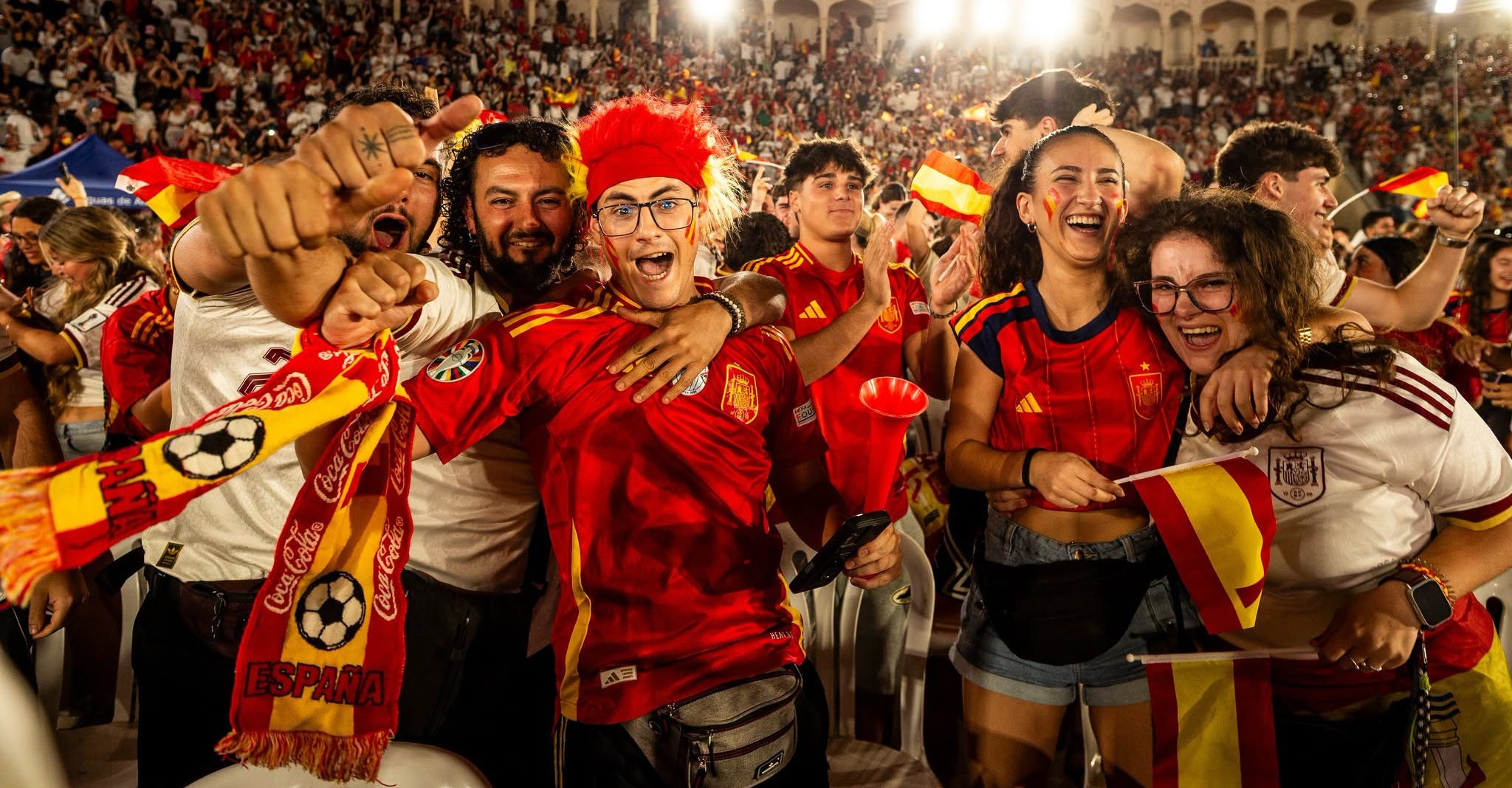
The 2026 FIFA World Cup concluded after 104 matches, with Spain defeating Argentina 1-0 in the final to lift its second World Cup title.
Beyond the drama and the score lines, Munich parish priest and lifelong soccer fan Father Rainer Maria Schießler believes the tournament offered lessons that reach far beyond the game itself.
Reflecting on the players, coaches, and the spirit of competition, he says the World Cup demonstrated the importance of humility, resilience, teamwork, and respect—qualities that matter as much in everyday life as they do on the soccer field.


From a purely sporting perspective, did Spain deserve to win the World Cup?
Absolutely. Conceding just one goal throughout an entire World Cup is an extraordinary achievement.
Yesterday, the difference between these two teams—and also between teams like England and France—became very clear. The stars weren’t the focus. The team was.
That offers a lesson with implications far beyond soccer.
❝
Figures like Donald Trump and Gianni Infantino represent the suffering caused by reality.
Of course, even the biggest star depends on the rest of the team to deliver passes, crosses, and opportunities. But Spain doesn’t have a single player on whom everything depends.
Their coach deliberately built the team that way. He’s known many of these players since they were part of the under-16 national team.
One of the world’s best players on this championship team is still wearing braces. I think it’s remarkable how this squad has been assembled.
If one player is unavailable, there are another fifteen ready to step in immediately. Yesterday, everyone saw the results of that long-term work.
What will people remember most about this World Cup?
I once heard someone say: “Hope is suffering because of reality while remaining passionate about what is possible.”
Figures like Donald Trump and Gianni Infantino represent the suffering caused by reality. Unfortunately, we have to acknowledge that reality.
But the passion for what is possible was shown by teams like Cape Verde, Curaçao, and Paraguay, which eliminated Germany from the tournament.
These teams fought for one another. They competed together. And they celebrated simply having the opportunity to take part in the World Cup.
What impressed you the most?
What moved me most was the way players and coaches from opposing teams embraced each other after the matches.
Yesterday’s final was an exception, because the Argentine players struggled to accept defeat. But that was unusual. Normally, the coaches meet each other with genuine respect.
Watching the Spanish coach embrace his former student, who now coaches Argentina, was, to me, a message for the entire world. That’s how people can treat one another.
I hope we can learn from the simple game of soccer that this kind of respect is possible.
What exactly is that message?
It was that heartfelt embrace. The younger coach who lost had probably imagined that this would be his moment to become world champion.
Yet the embrace conveyed something much deeper: “We’re both on the same journey, and nothing will change that.”
One happened to win. The other didn’t. But that said absolutely nothing about which of them was the better or worse person.
This is a translated and edited version of the interview that first appeared on DOMRADIO.DE and has been republished with permission.