






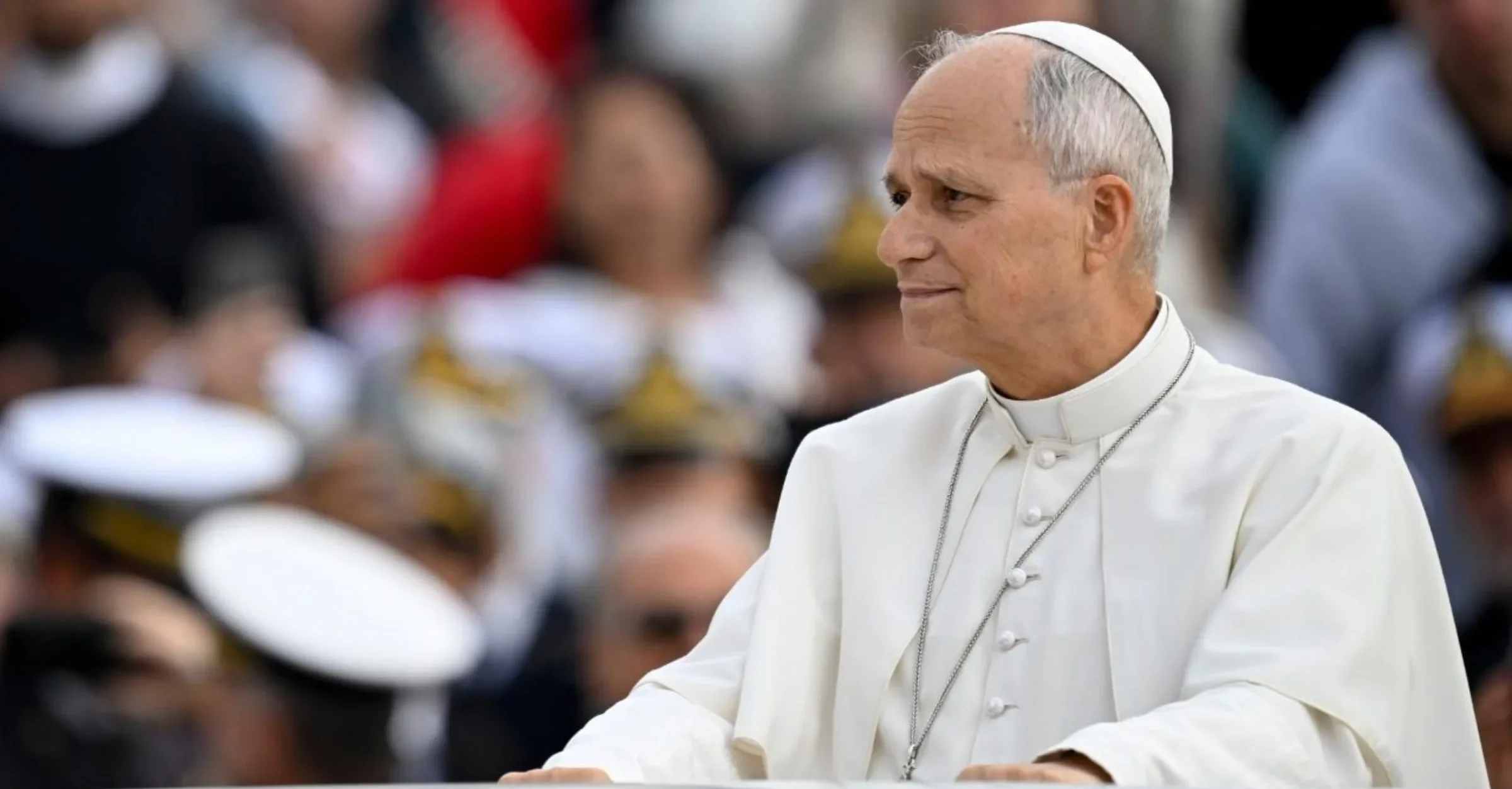
Forty years after the historic Assisi gathering, Pope Leo XIV reminds the world that religion must never become an instrument of hatred, violence or political domination.
There is something deeply contradictory about killing another human being in the name of God. The God of life is invoked to justify killing. The God who transcends nations and religions is reduced to the protector of one particular community.
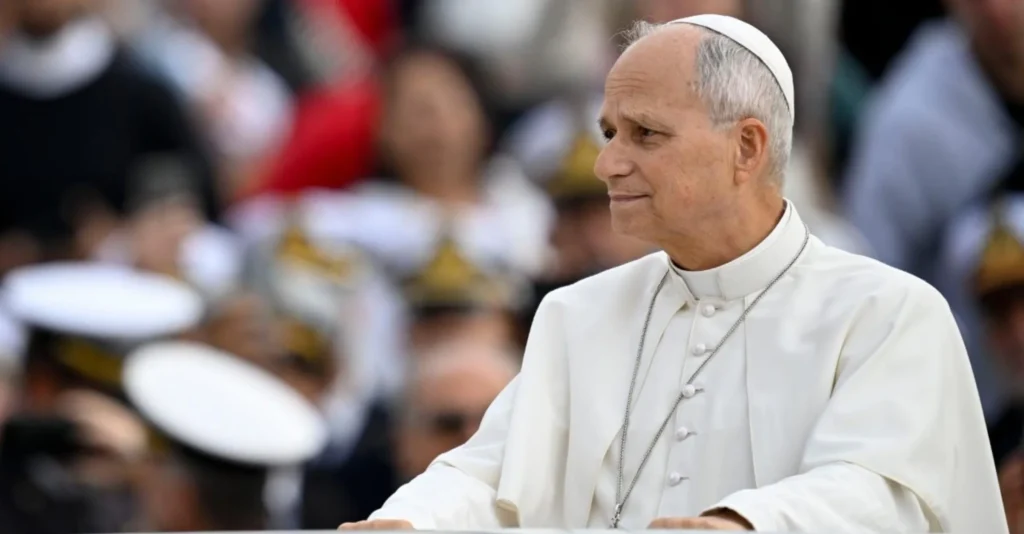
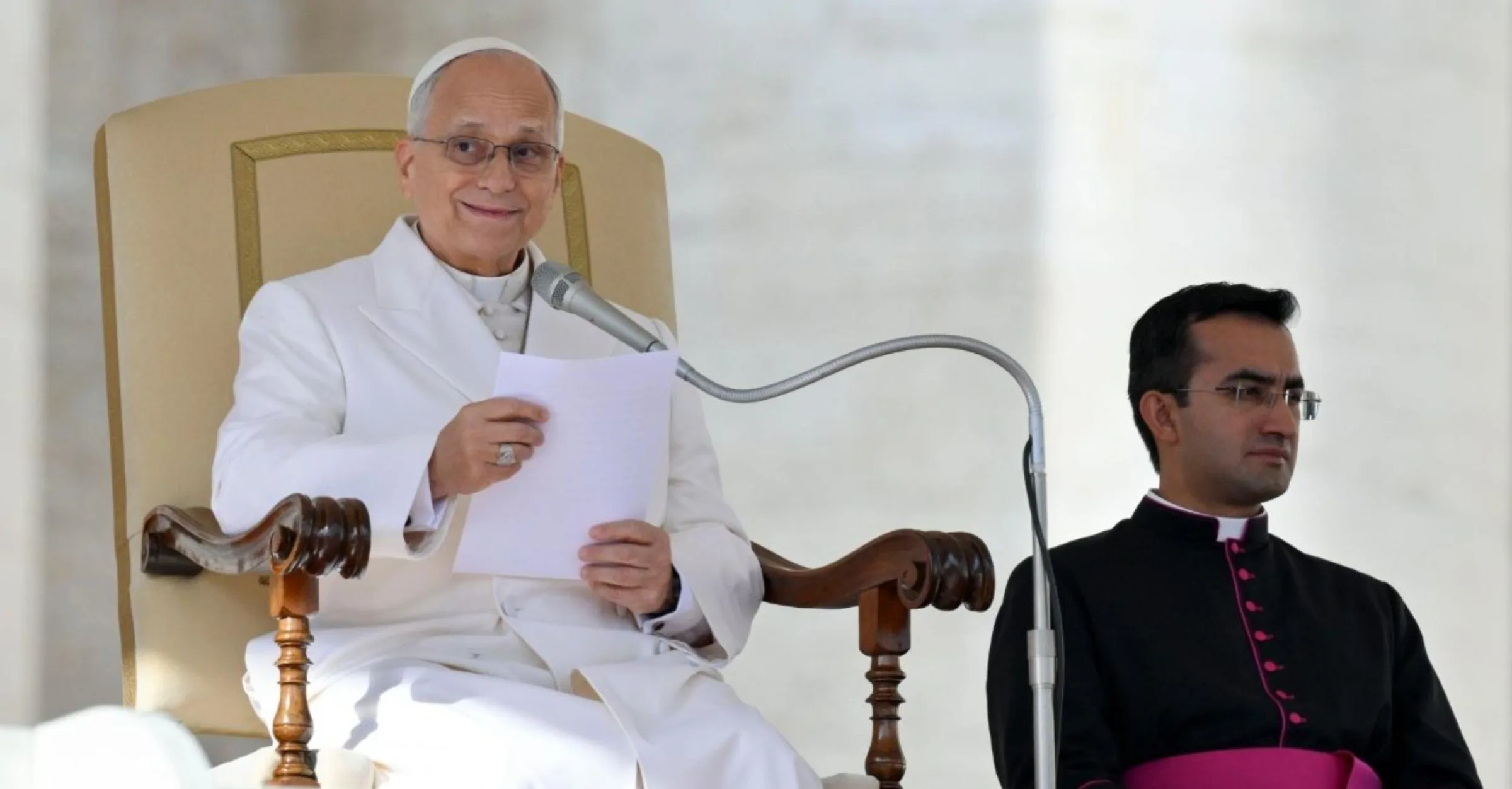
Pope Leo XIV addressed this contradiction with remarkable clarity on Oct. 27. While speaking to religious leaders gathered in Assisi, Italy, he declared: “There is no such thing as a holy war: only peace is holy.”


The occasion marked the 40th anniversary of the historic World Day of Prayer for Peace, which Pope John Paul II convened on Oct. 27, 1986. At that time, representatives of different religious traditions gathered in the hometown of Saint Francis to pray for peace.
Four decades later, the message remains painfully relevant.
From Ukraine to the Middle East, from religious extremism to communal hostility, humanity continues to discover new ways of justifying violence. Increasingly sophisticated weapons coexist with surprisingly primitive prejudices.
We have learned to destroy one another with extraordinary efficiency. But have we learned to live together?
When God becomes a prisoner of politics
Religion has an extraordinary capacity to inspire sacrifice, generosity and compassion. It can encourage people to serve the poor, forgive enemies and defend human dignity.
Yet the same religious sentiments can be manipulated to produce fear, exclusion and hostility.
When religion becomes entangled with aggressive nationalism, God is gradually transformed into a tribal possession.
Our God becomes different from their God. Our community becomes morally superior. Our suffering matters more. Our rights become absolute, while others’ rights become negotiable.
The consequences can be devastating.
History offers painful reminders: the Crusades, religious persecutions, sectarian conflicts, and contemporary extremism. Different traditions have faced the temptation to transform religious conviction into an instrument of political power.
The problem is not a lack of sincere religious commitment. It is the corruption of religion when faith becomes a weapon of domination.
Pope Leo’s words challenge every religious community, including Christianity.
A religion that requires us to hate another human being has already betrayed the essential nature of its spiritual purpose.
The Indian challenge: Unity without uniformity
India offers a particularly significant context for this discussion.
Few countries possess such extraordinary religious diversity. Hindus, Muslims, Christians, Sikhs, Buddhists, Jains and members of indigenous spiritual traditions share a complex history of cultural interaction.
Indian civilization has produced remarkable traditions of philosophical dialogue, religious hospitality and spiritual coexistence.
Yet India also knows the painful consequences of communal suspicion, religious polarisation and occasional violence.
The temptation to identify national belonging with a particular religious identity can weaken the bonds of citizenship. When communities begin treating one another as threats rather than neighbors, social trust deteriorates.
India’s spiritual heritage offers an alternative.
The ancient ideal of Vasudhaiva Kutumbakam—the world is one family—reminds us that humanity cannot be permanently divided into competing religious camps.
Mahatma Gandhi understood religion as a source of moral transformation rather than an instrument of domination. His commitment to ahimsa demanded respect for others’ dignity, even amid deep disagreement.
Gandhi did not believe that religious differences had to disappear. He believed that people could remain faithful to their convictions while respecting others’ convictions.
This distinction remains crucial.
Peace does not require abandoning religious identity. It requires rejecting the assumption that our identity entitles us to diminish others.
From superiority to solidarity
One of the most subtle dangers in religious life is the belief that belonging to a particular tradition automatically makes us morally superior.
One may take pride in our doctrines, rituals, sacred texts, and spiritual inheritance. Such attachment is understandable.
But pride can gradually become contempt.
One begins measuring the deficiencies of other religions rather than examining the failures within our own lives.
The Christian Gospel offers a searching corrective.
Jesus declared: “Blessed are the peacemakers, for they will be called children of God” (Matt 5:9).
He did not say, “Blessed are those who defeat religious opponents, win every argument, or establish the superiority of their community.”
He blessed those who make peace.
The parable of the Good Samaritan carries a similarly challenging message. The person who acts with compassion is someone the original audience might have regarded as a religious outsider.
The decisive question is not simply who belongs to the right community, but who becomes a neighbor to someone in need.
Religious authenticity is demonstrated not merely by what we profess but by how we treat those who are different from us.
Assisi: Praying without erasing differences
The historic 1986 gathering at Assisi was significant precisely because it did not require religious leaders to give up their distinct identities.
They came together not because their theological differences were insignificant, but because the human need for peace transcended those differences.
The Second Vatican Council’s declaration Nostra Aetate (1965) had already encouraged Catholics to recognize truth and holiness in other religious traditions and to engage respectfully with their followers.
Assisi gave this vision a visible and practical form.
In his Oct. 27 message, Pope Leo XIV called for the recovery of this spirit through dialogue, mediation, and concrete action.
His appeal is not sentimental idealism. Peace requires institutions, negotiations, justice, and the willingness to confront the structural causes of conflict.
Nor does peace entail passive acceptance of aggression or injustice. Protecting vulnerable people and pursuing legitimate security remain serious moral responsibilities.
But no political or military cause becomes sacred merely because religious language is attached to it.
Religion must become part of the solution
Religious leaders wield considerable influence over their communities’ attitudes.
Their words can calm tensions or inflame them. Their silence can protect the vulnerable or embolden those who intimidate them.
This places a special responsibility on priests, pastors, bishops, imams, monks, spiritual teachers, and other religious authorities.
In India, interreligious dialogue cannot remain confined to conferences, ceremonial gatherings, and occasional statements of goodwill.
It must become part of everyday community life.
Religious institutions can collaborate to serve migrants, feed the hungry, support disaster victims, educate disadvantaged children, and protect the environment.
Young people can learn about religious diversity through friendship rather than fear.
Neighboring religious communities can celebrate one another’s humanity without surrendering their convictions.
When violence or discrimination occurs, religious leaders must have the courage to defend victims, even when victims belong to another faith.
Solidarity becomes credible precisely when it crosses the boundaries of our own community.
The conversion that begins within
Perhaps the deepest implication of Pope Leo’s message concerns what religious conversion means.
People often associate conversion with persuading others to adopt a different faith. But genuine spiritual conversion must also involve transforming our own hearts: from resentment to reconciliation, from arrogance to humility, from suspicion to trust, and from indifference to compassion.
Before asking whether another person should change religion, we might ask whether one’s own religion has changed its followers sufficiently.
A person who prays regularly but despises a neighbor has misunderstood something fundamental about prayer.A community that worships God while humiliating others has allowed religious identity to overpower religious responsibility.
The world does not need more people claiming that God is on their side. It needs more people willing to stand on the side of human dignity, justice and peace.
Forty years after Assisi, Pope Leo XIV’s message is both a warning and an invitation.
We do not honor God by defeating those who worship differently. We honor God by recognizing their humanity, respecting their dignity and refusing to make them our enemies.
There can be no holy hatred, no sacred cruelty, and no divine justification for religious persecution.
Only peace is holy.






2 Comments
Dan Schnittker
November 4, 2026Then how come the Apostles carried assault swords?
Richard DB
November 4, 2026LMFAO!
Be gone Satan!