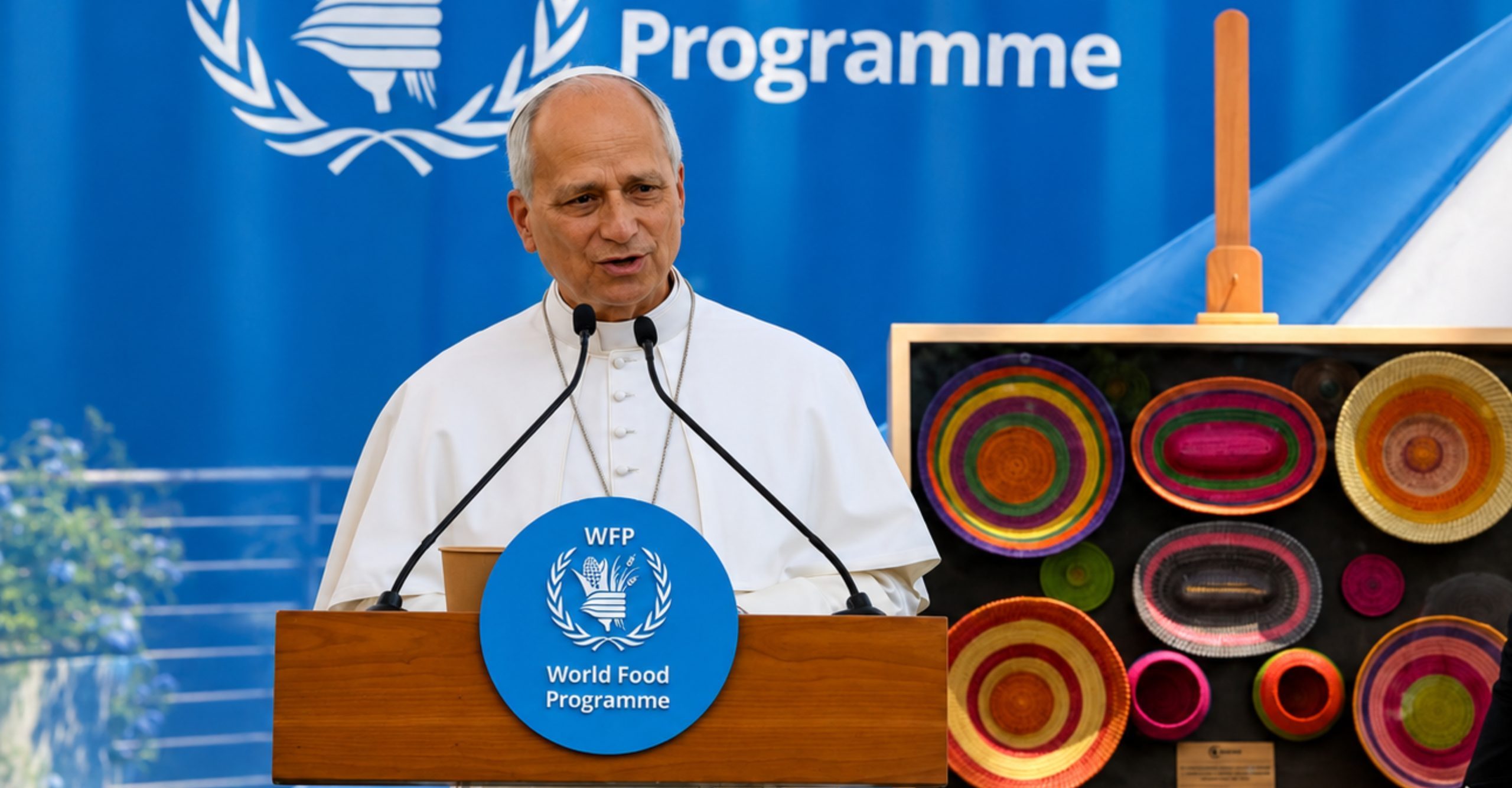
Pope Leo XIV used his address to the World Food Program to question the political and economic systems …



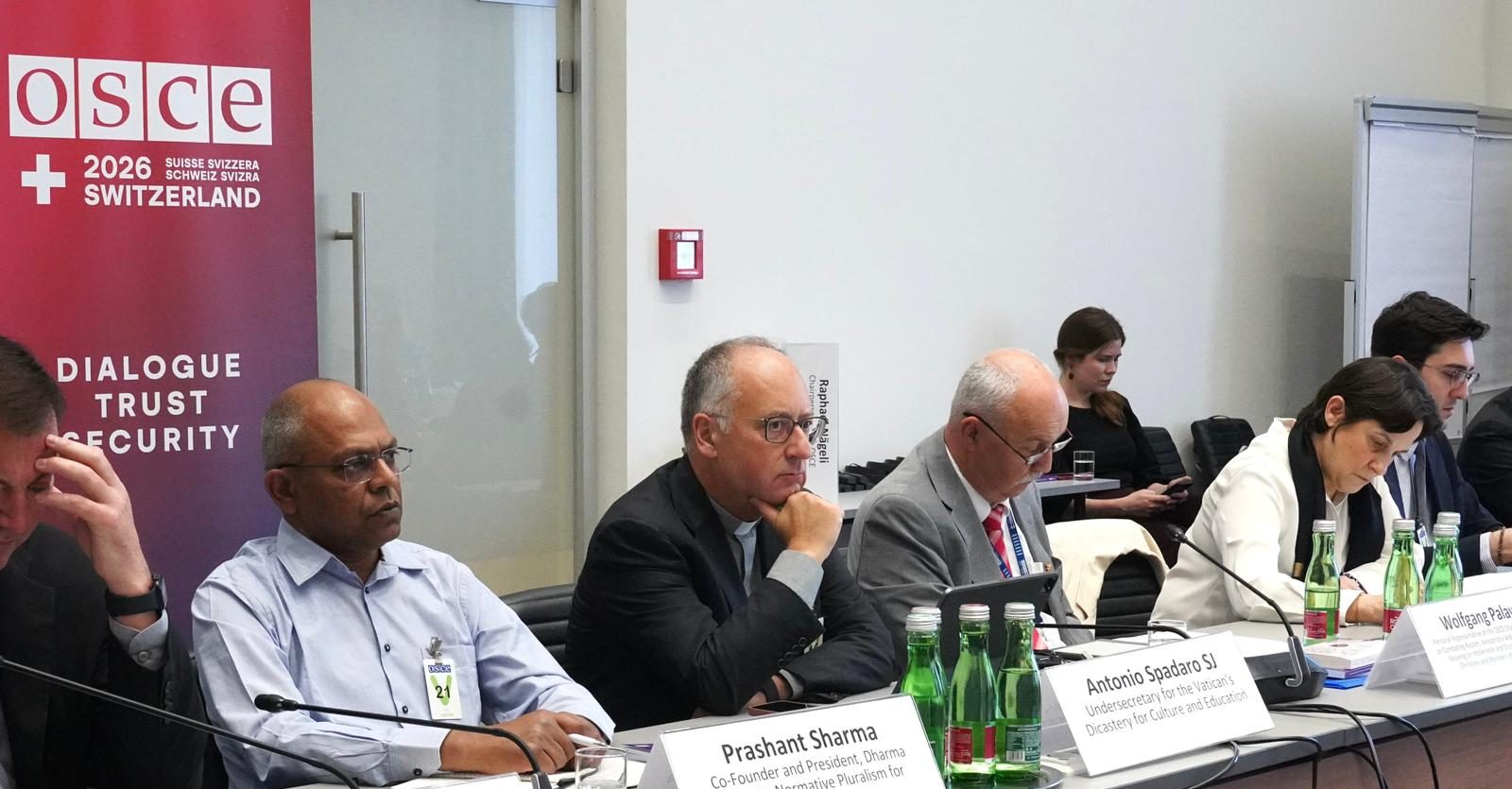
Jesuit Father Antonio Spadaro is the undersecretary of the Dicastery for Culture and Education of the Holy See. He is a member of the board of directors of Georgetown University and a full member of the Pontifical Academy of Fine Arts and Letters of the Virtuosi al Pantheon.
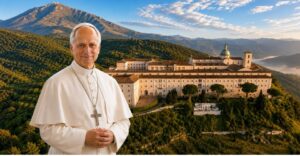
Pope Leo XIV made an unannounced visit to Montecassino while his envoys were working in war-torn Ukraine, underscoring the Benedictine vision that peace begins when prayer is paired with action.
The Catholic Church now completely rejects "just war" theory, declaring all armed conflict outdated in favor of disarmed diplomacy.
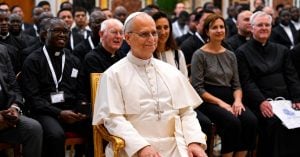
Pope Leo XIV speaks first and foremost as the Church's spiritual leader, and his condemnation of war—including the conflict involving Iran—is a Gospel-based moral appeal rather than a political or diplomatic judgment.
Two July episcopal consecrations, conducted without a papal mandate, reveal how unresolved traditionalist dissent can evolve into a permanent schism, despite the Vatican’s insistence on unity.
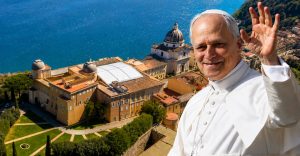
In an age of relentless work and digital distraction, Leo XIV's vision of a “little rest” invites Christians to rediscover contemplation and the sacred rhythm of body, mind, and spirit.
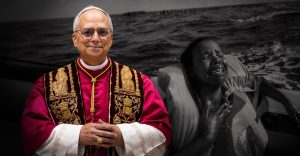
By visiting the migrant gateway of Lampedusa on the Fourth of July, Pope Leo—the first American pope—powerfully redefines national independence as global fraternity.
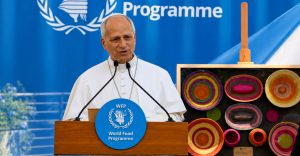
Pope Leo XIV used his visit to the World Food Program to challenge a global order that prioritizes power, bureaucracy, and conflict over human dignity, solidarity, and the common good.
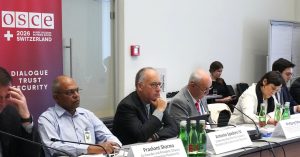
The world should be understood not as a geopolitical chessboard dominated by great powers but as a fabric of interconnected peoples, with faith communities helping to strengthen multilateralism and dialogue.
Join the remarkable Global Catholic journeyGlobal Catholic is proud to be independent—editorially, politically, ideologically and financially.
But independence comes at a cost. Without patron support, we depend entirely on readers and friends like you.
To sustain and grow Global Catholic, we need to raise US$250,000.