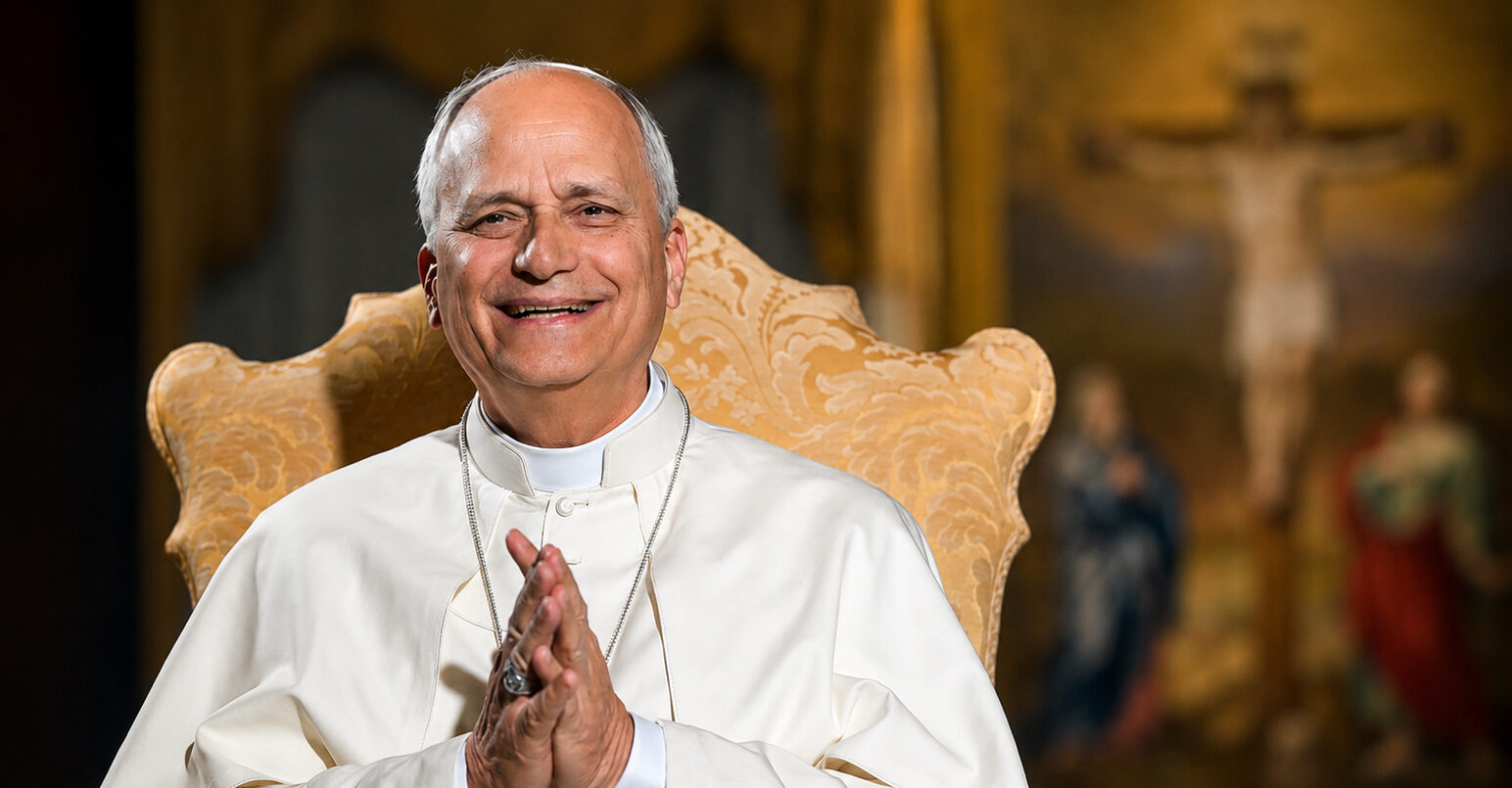
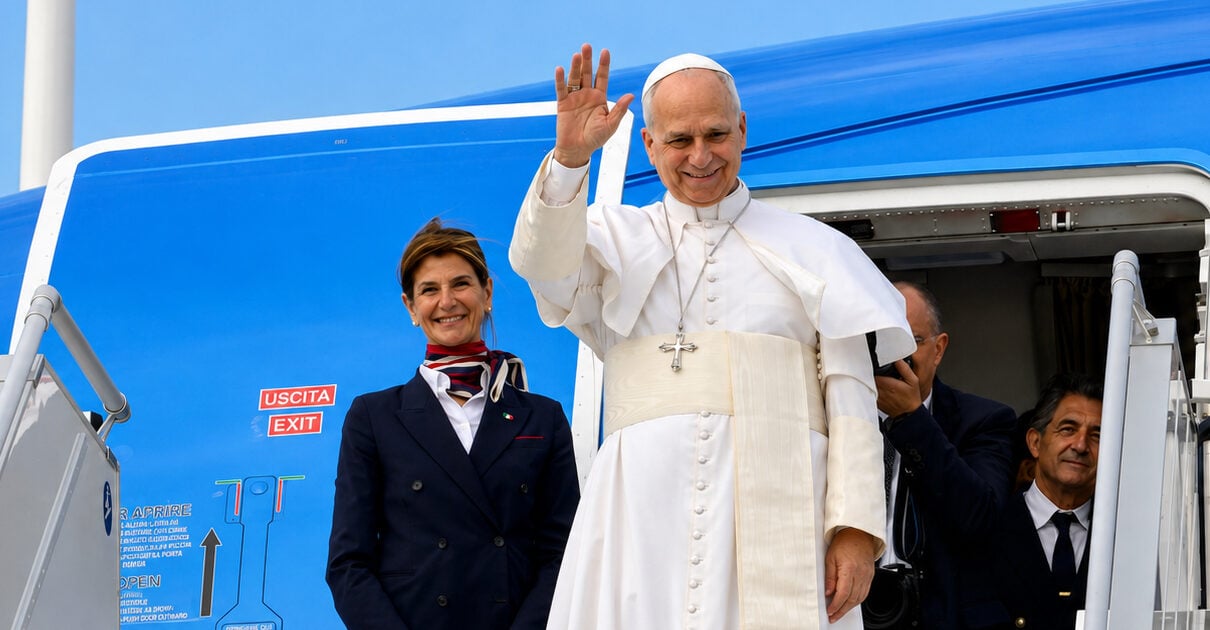
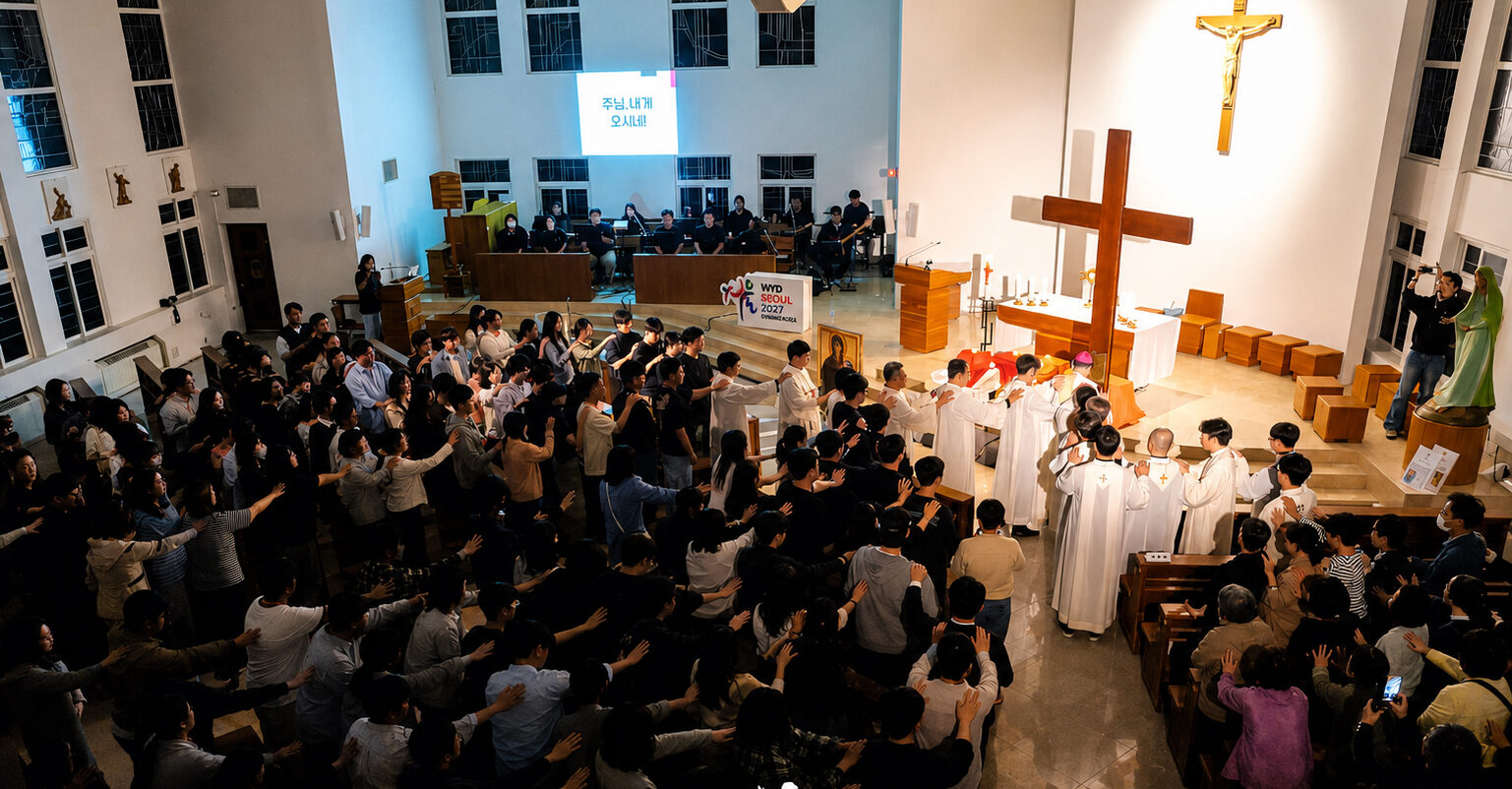
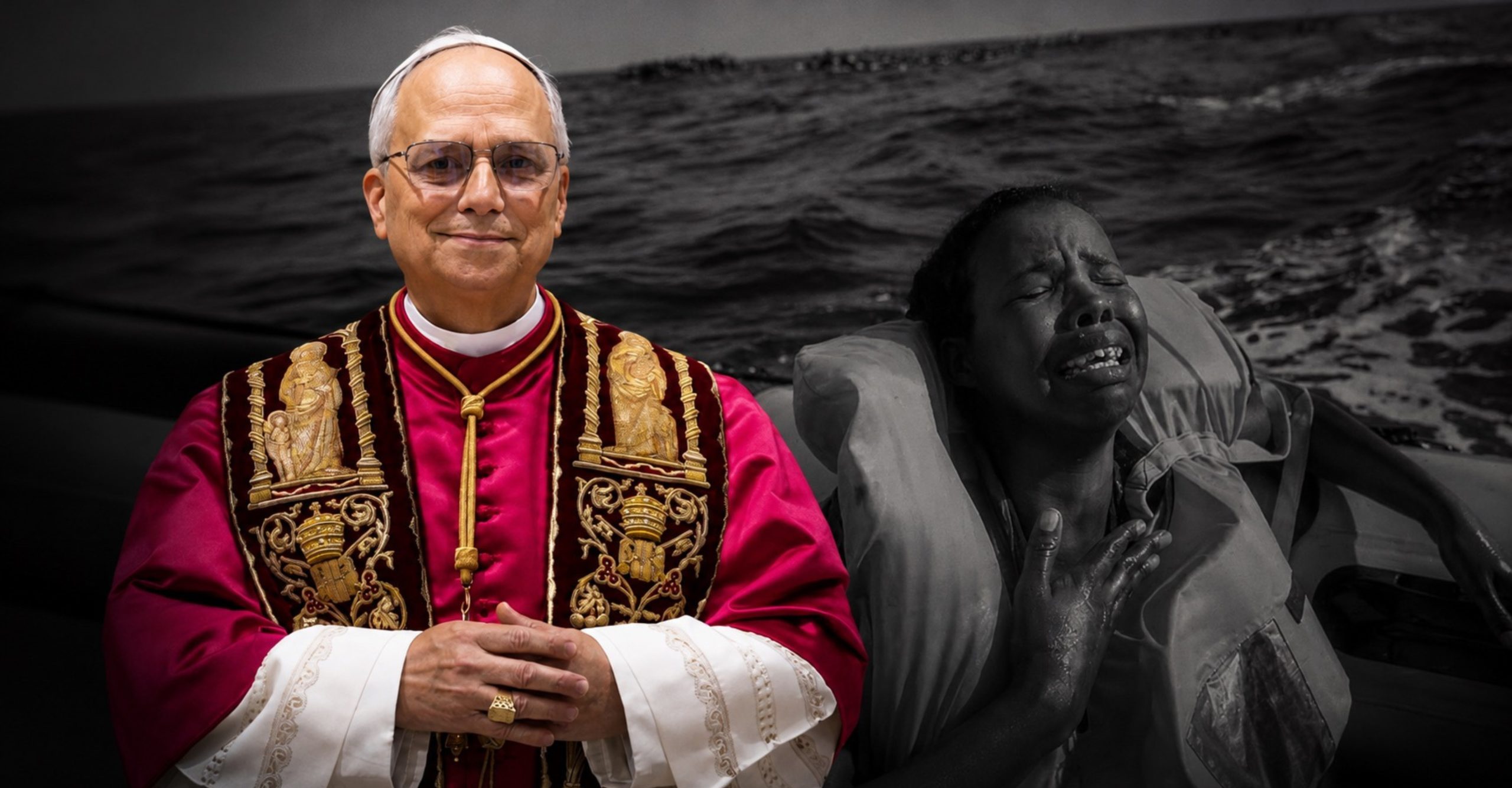
Pope Leo XIV urged young Europeans in Assisi to embrace the world rather than defend it, calling definitive …



Jesuit Father Antonio Spadaro is the undersecretary of the Dicastery for Culture and Education of the Holy See. He is a member of the board of directors of Georgetown University and a full member of the Pontifical Academy of Fine Arts and Letters of the Virtuosi al Pantheon.

The worldwide collapse in birth rates is not chiefly economic but anthropological, revealing societies that no longer expect anything genuinely new, with loneliness its statistical twin.
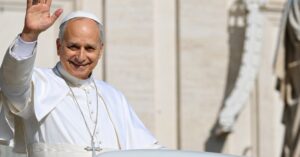
Across three distinct addresses, Pope Leo XIV defined true freedom as grounded in individual conscience, human dignity, and communal care, warning against the counterfeits of power, algorithmic control, and military force.
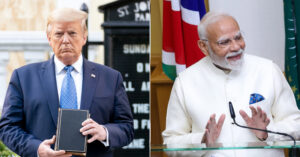
As religion returns as a tool of power from Washington to Moscow to Delhi, faith risks becoming an identity weapon; the Church stays effective only by remaining free and unenlistable.
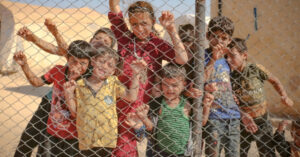
As Pope Leo XIV and Cardinal Pizzaballa marked the Assumption, the Vatican kept naming the West Bank's quiet violence plainly, where governments and the news cycle fall silent.
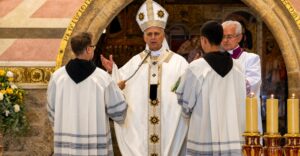
At a youth gathering in Assisi, Pope Leo XIV challenged young Europeans to reject fear-driven tribalism and hesitation, urging them to embrace the world through authentic human connection and courageous, definitive life choices.
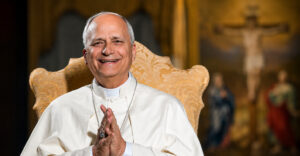
Pope Leo XIV’s 60th World Day of Peace theme emphasizes the urgent need to disarm technology and restore human political responsibility in an automated world.
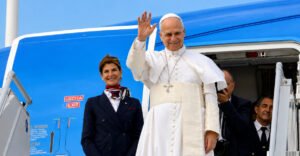
Pope Leo XIV's late-July remarks on his American roots and the Ceuta crisis reframe migration itself: stability without justice becomes containment, peace without dignity more than silence at a checkpoint, and every border a test of whom a society will see.
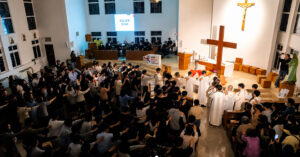
Pope Leo XIV calls on young people across Portugal, Peru, and Brazil to channel their inner restlessness into service, authentic holiness, and disciplined digital engagement in the lead-up to World Youth Day 2027.
Join the remarkable Global Catholic journey
Global Catholic is proud to be independent—editorially, politically, ideologically and financially.
But independence comes at a cost. Without patron support, we depend entirely on readers and friends like you.
To sustain and grow Global Catholic, we need to raise US$250,000.