





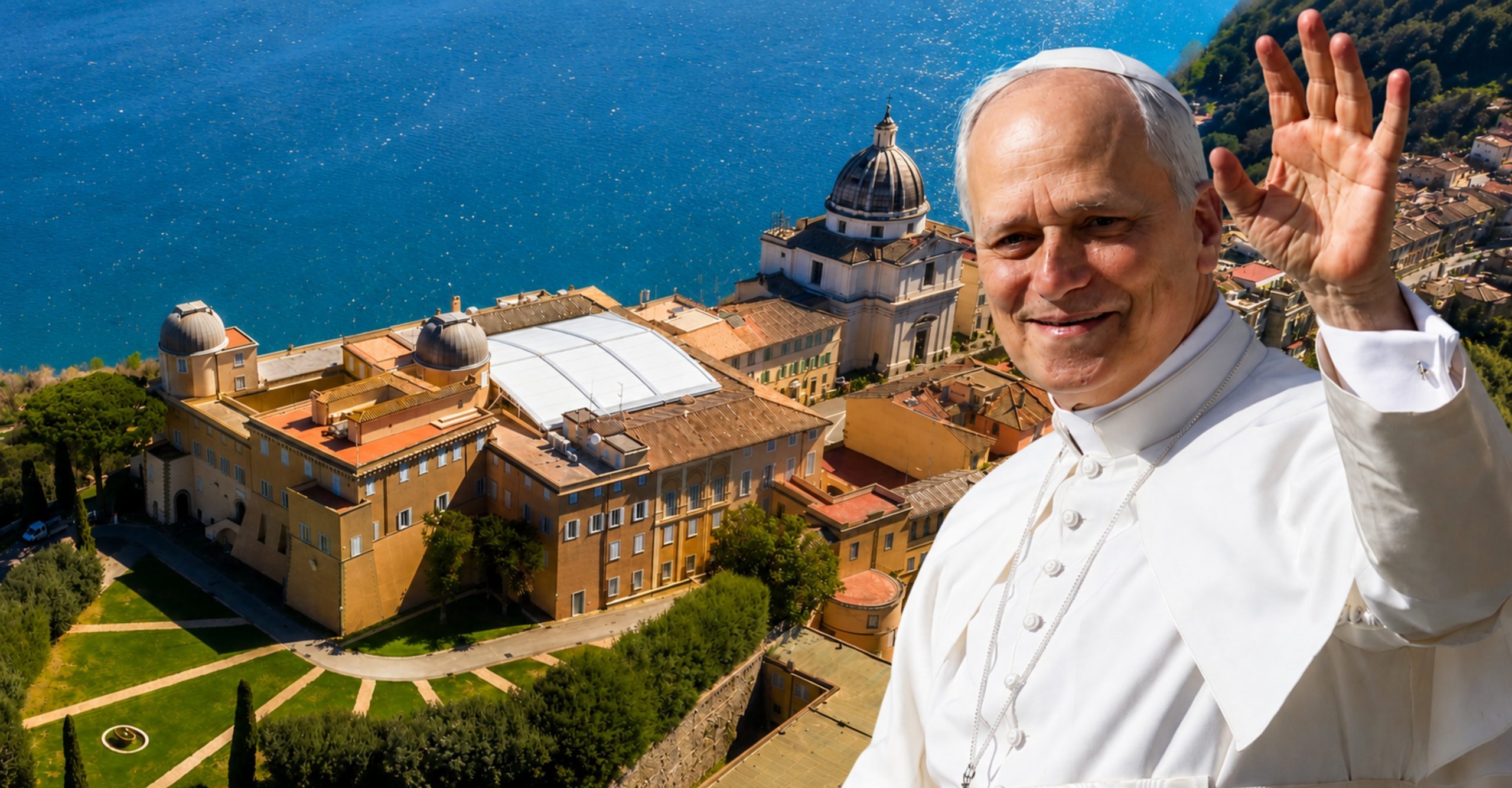
On Sunday, July 5, only hours after returning from Lampedusa, Leo XIV appeared on the balcony of the Apostolic Palace in Castel Gandolfo and told the faithful gathered in Piazza della Libertà that he would spend the coming weeks with “a little rest, a little prayer, a little reading, and, we hope, a little sport.”
That fourfold “a little” deserves attention. It is neither the rhetoric of heroic withdrawal nor the rhetoric of productivity disguised as a pause. It is a grammar of measure: rest as a composition of elements—body, mind, and spirit—none of them made absolute.
Pope Francis always lived it in his own way: listening to music, meeting people, and reading. This suited his rhythm. And it was precisely in that rest that the ideas, intuitions, and inspirations of his ministry ripened.


A Latin word illuminates all of this: vacare, from which comes ‘vacation.’Vacare means to be empty, free, and available. The monks spoke of vacare Deo: to be free for God.
Authentic vacation, then, is not a time filled with distractions, but a time emptied out so that something—or Someone—can dwell in it.
The seventh day of Genesis is not an appendix to creation: it is its fulfillment.
Retreat an act of humility
God rests, and in that rest he gives the world its final form. The Sabbath does not celebrate exhaustion but contemplation: the world is good; one can stop producing it.
Jesus himself says to his disciples, after their mission: “Come away by yourselves to a deserted place and rest a little” (Mark 6:31). Here, too, a “little.”
And here, too, rest is not flight: it is a return to the origin, a being with Him, and a recovery of identity before activity. We know how the scene ends: the crowd arrives ahead of them, and compassion wins out over the plan.
Christian rest is never a fortress. But it remains a demand, almost a commandment: whoever cannot stop ends up believing that the world depends on him. Rest is an act of theological humility.
Experience is a form of breathing: we inhale the world around us and give it back transformed into visions and understandings.
Take the image from the poet Paul Celan, from the Atemwende, the “breathturn” that for him is the instant in which the poem happens. There it is: vacation is the exhalation of a life that for months has done nothing but inhale.
Rest deepens spirituality
Whoever never exhales suffocates. And spirituality does not inhabit a time set apart from ordinary life: it inhabits rhythm, alternation, and the pause that gives shape to sound, as in music. This is why rest is not the opposite of spiritual life: it is one of its essential syllables.
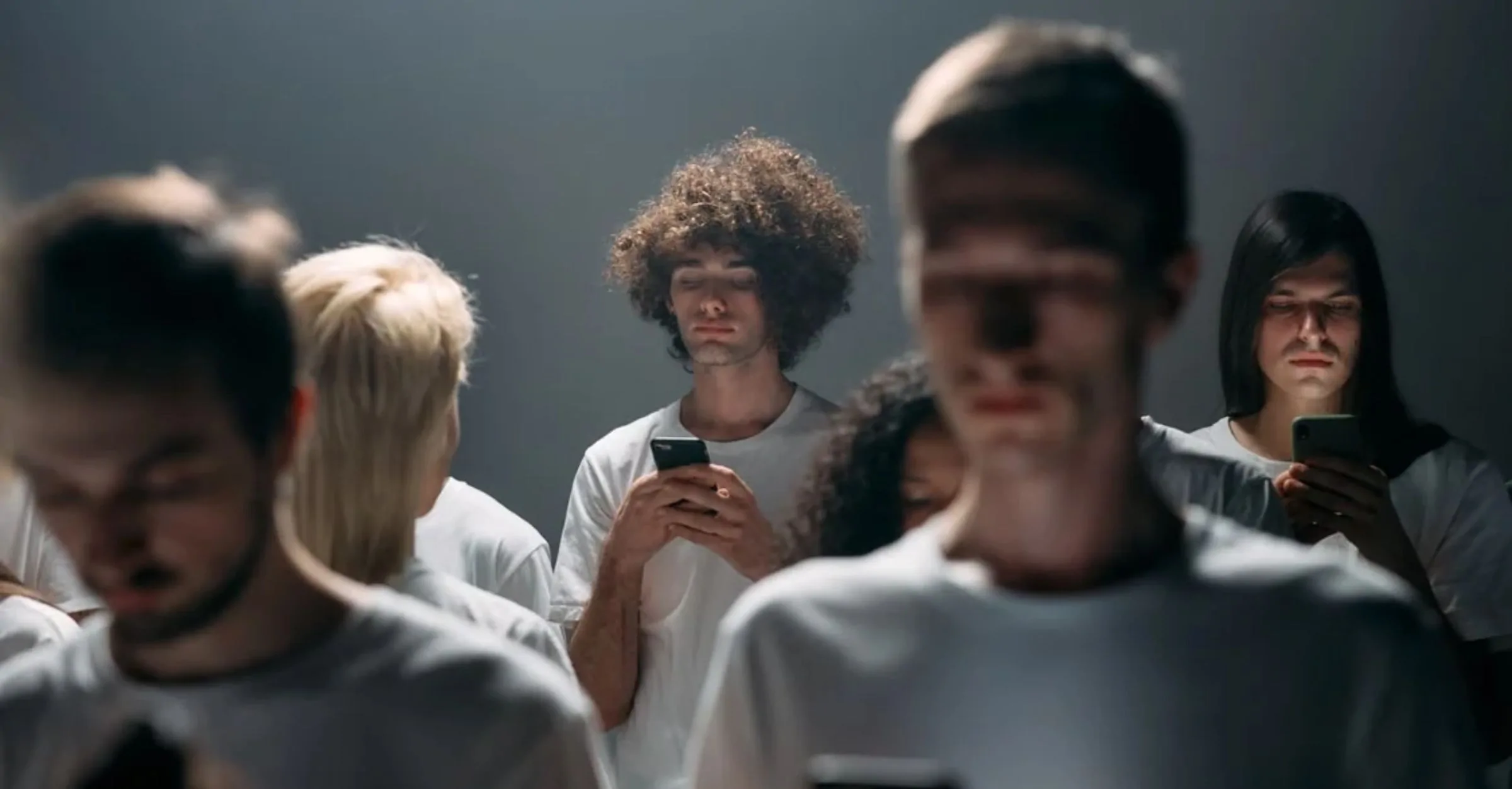
Our era, however, has a specific problem with rest. We live in a digital environment—we do not use tools; we inhabit an ecosystem—that has colonized even the pause. Vacations become content to post; free time is measured, tracked, and optimized. The algorithm knows no Sabbath.
“A Pope who plays sports, reads, and prays tells the world that a person is not defined by what he produces.”
Magnifica Humanitas, Leo XIV’s encyclical on artificial intelligence, reminds us that the human exceeds all calculation. Rest may be the most incalculable experience we have left: it produces nothing, yields nothing, and measures nothing. For precisely that reason, it is precious and must be defended.
To unplug is not to desert the world: it is to refuse to let the world reduce us to a function. A vacation without some form of disconnection risks becoming merely low-intensity work.
Mind, body, and the Spirit’s expressions
And then there is the body. Leo XIV spoke of sport, and we know of his passion for swimming and tennis. This is not a bit of local color.
Christian faith is faith in the Incarnation: the body is not the container of the soul but the place where the spirit expresses itself. To swim, to walk, to play are forms of pure gratuitousness: they are done for nothing, and for that very reason they say something about the Kingdom, which is gift and not wages.
Vacation restores the body to its truth: not a performance machine but a threshold of wonder.
Finally, there is reading, the third element of the papal program. To read on vacation is not to kill time: it is to dilate it. A novel, a poem, opens rooms in us that the calendar had kept shut.
Culture is not an ornament of rest: it is rest made fruitful, the highest sense of otium, the Latin word denoting the time Romans deliberately set aside from business and public life. From this word comes negotiation, negotium, used in business. Otium comes first; work is its negation, not the other way around. We have forgotten this.
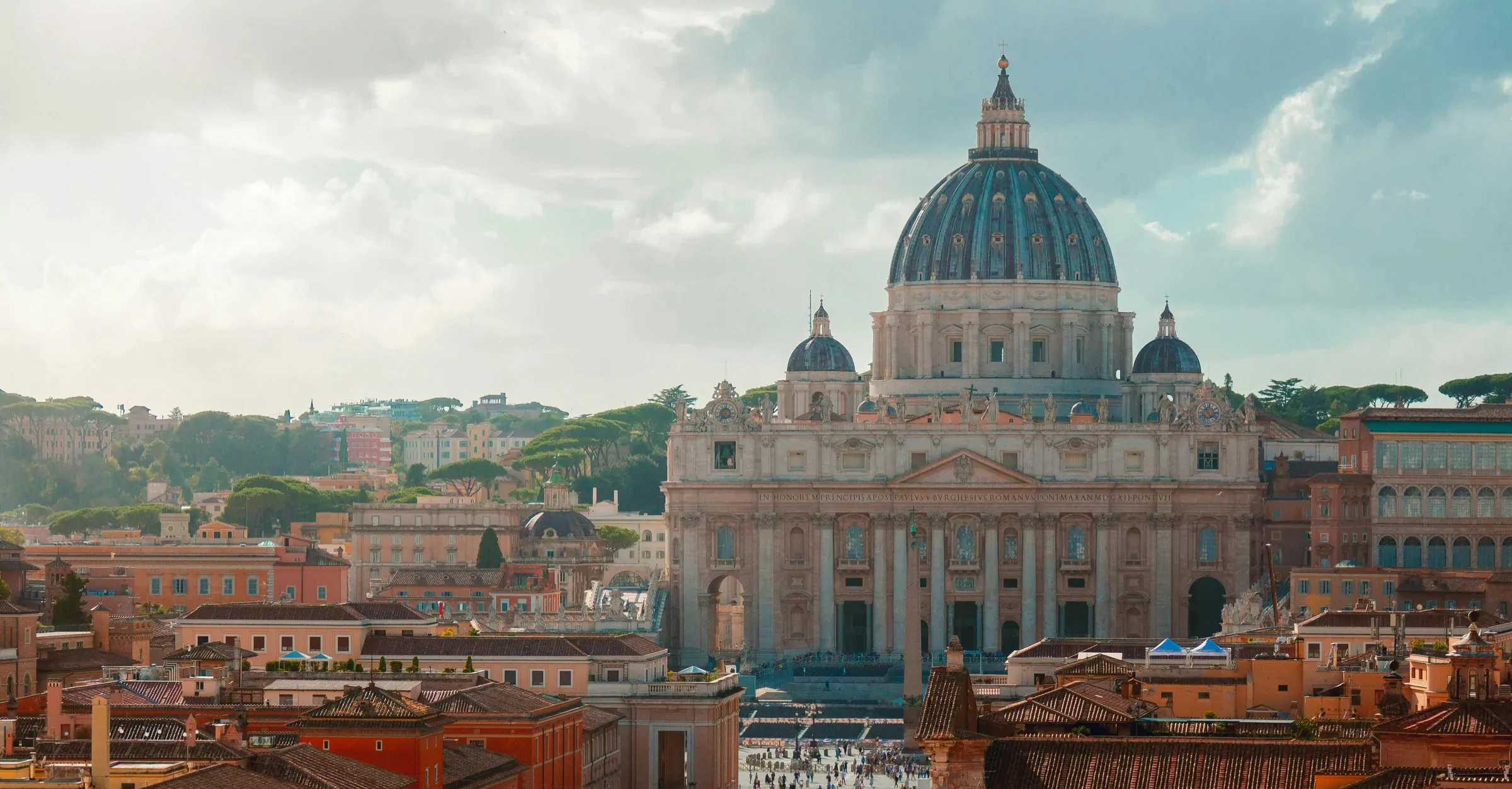
Castel Gandolfo, with its volcanic lake and gardens, will be, for three weeks, the visible sign of all this.
A Pope who plays sports, reads, and prays tells the world that a person is not defined by what he produces.
In a time of wars and technological acceleration, this “little rest” is not a parenthesis but, in its own way, a prophecy: to empty time a little, so that life may come to inhabit it again.










1 Comment
ISRAEL RS
July 15, 2026Thanks for this beautiful short read🤗 Thank you, HH Santo Papa Leo🥰🙏 Will re-read to digest it more😊