




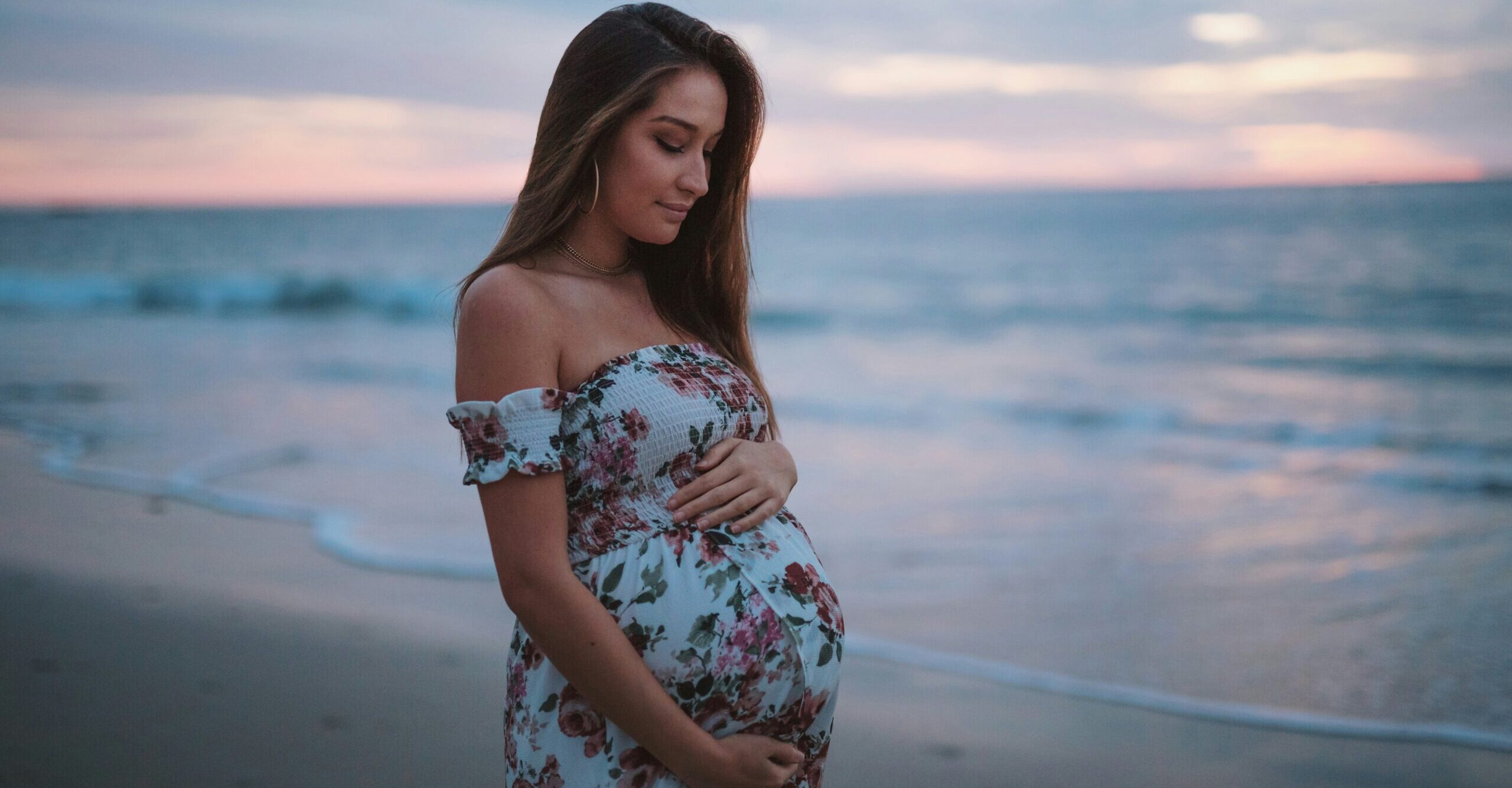
Historically resisting global policy frameworks on sexual and reproductive health and rights (SRHR), the Holy See and some governments again opposed the adoption of the Belem Gender Action Plan (BGAP) at the 30th Global Conference of Parties (COP30) on Climate Change in Brazil in November 2025.
It saw the BGAP’s provisions on SRHR as implicitly promoting abortion and artificial contraception—directly undermining the Church’s pro-life stance.
The Vatican also opposed the plan on the use of the term “gender,” viewing this as the legitimation of diverse sexual orientations, gender identities, expressions and sex characteristics.


Advocates of the BGAP effectively argued that the Vatican and others were State Parties to the United Nations Framework Convention on Climate Change (UNFCCC) 1992 and the Paris Agreement 2015, both of which embodied the term gender, and could not reopen agreed treaty language at this stage. The BGAP was finally adopted.
The Vatican stance on SRHR violates the notion of a living theology that responds to the “signs of the times.”
A profound, rigorously grounded Catholic theology that is rooted in the sanctity of life, prioritizes the vulnerable, and integrates catholic social teachings (CST),demands a re-evaluation of its position on SRHR, including in the context of climate and other crises.
The Holy See’s opposition to SRHR also contradicts its own flagship encyclical, Laudato Si’.
The encyclical views ecological degradation and related human suffering as one unified crisis, driven by structural inequality, unsustainable development and ethical impoverishment, that disrupts the deep creator-nature-human relationship.
By framing nature as a life-giving feminine force, the encyclical places women — who are among those disproportionately impacted —at the center of ecological action and justice. It explicitly warns against technocratic paradigms that leave structural drivers intact and against ideological debates that paralyze action while the vulnerable suffer— an irony in the face of the Vatican’s own stonewalling.
Climate’s toll on SRHR
Extreme weather events (floods, cyclones, heatwaves), prolonged droughts, and environmental degradation destroy local health infrastructure and exacerbate socio-economic vulnerabilities, including SRHR, maternal and infant health.
SRHR is a state of complete physical, mental, and social well-being related to the reproductive system, sexual health, and bodily autonomy — not merely the absence of disease or infirmity and not merely related to abortion and artificial contraception.
For example, heat stress raises risks of preterm birth, pre-eclampsia, and stillbirths. Salinized drinking water caused by sea-level rise and storm surges in coastal areas causes increased rates of maternal hypertension, eclampsia in pregnant women and infant mortality.
Shifting climate zones drive the spread of malaria, dengue, and Zika, which cause pregnant women severe maternal anemia and congenital Zika syndrome. Water scarcity in droughts or contamination in floods results in poor menstrual hygiene and restricted sanitation, triggering serious vaginal infections such as bacterial vaginosis and candidiasis.
Dehydration caused by drought, combined with reduced urination to conserve water or avoid unsafe open defecation, drastically increases the incidence of painful urinary tract infections. Untreated infections due to lack of water or healthcare access can ascend, causing chronic pain and infertility.
❝
The principle of proportionality and the common good can help the Vatican to separate philosophical debates from life-saving policies.
Carrying heavy water containers across long distances while pregnant or shortly after giving birth strains the pelvic floor muscles, resulting in uterine prolapse.
Bathing in infested water causes parasitic infection, triggering lesions, ulceration, and bleeding in the cervix, vagina, and vulva. It leads to pain during intercourse, ectopic pregnancy, and significantly increases vulnerability to HIV transmission.
Beyond biological concerns, ecological and climate crises worsen structural violence. They increase domestic abuse, forced child marriages, often driven by economic strain and perceived protection—and sexual violence, leading to abuse and unwanted pregnancies.
While upholding human life’s sanctity is non-negotiable, debates arise when prioritizing an unborn fetus over a woman’s life and health—especially in cases threatening her life, non-viable pregnancies, or those resulting from rape, sex trafficking, and incest.
Survivors face lifelong physical, psychological, and socioeconomic impacts that deepen victimhood. Rape can cause severe reproductive injuries (torn vaginas and rectums), chronic health issues (prolapsed/protruding uteruses, urinary/fecal incontinence), anxiety, depression, and trauma, including from unwanted pregnancies.
Limited healthcare, social stigma, dropped education, and job loss trap survivors in cycles of feminized discrimination and poverty. Furthermore, unaddressed marital rape depletes women’s health, pushing them and their children into deeper multidimensional deprivation.
Reinterpreting Catholic theology
Progressive, liberation, and feminist Catholic theologians reinterpret Church teachings using tradition and moral theology. They cite St. Thomas Aquinas’s concept of delayed ensoulment to show that Catholic stances on early abortion have varied over time.
Regarding contraception, theologians emphasize the core Vatican II doctrine of the primacy of conscience. This asserts that couples hold the moral authority to use birth control to responsibly manage family size, protect their health, and strengthen their marriage.
Scholars apply the principle of totality to encompass a person’s overall physical, psychological, social, and spiritual well-being. Consequently, theologians argue this holistic good morally justifies reproductive health interventions or family planning to preserve a woman’s health and family stability.
Further, the principle of proportionality and the common good can help the Vatican to separate philosophical debates from life-saving policies.
Dignitas Infinita, the 2024 Vatican Declaration, says that human dignity is intrinsic and non-negotiable.
The BGAP does not rescript Catholic theology. It upholds women’s dignity and SRHR, guaranteeing free bodily choices without coercion and discrimination, safe contraception, maternal care, services for menstrual health, sexually transmitted infections, and reproductive diseases.
To maintain authentic moral authority in an age of planetary breakdown, the Vatican should support SRHR within the Belém Gender Action Plan.
*Dr. Jean D’Cunha is a gender expert with a continuing body of work on women’s labor migration and the links among gender, climate change, conflict, and migration. She worked with UN Women in senior management and technical roles worldwide and retired as Senior Global Advisor on International Migration and Decent Work. She currently advises the Catholic Bishops’ Conference of India (CBCI) Office for Environment and Climate Change and the Federation of Asian Bishops’ Conferences on implementing localized COP 30 outcomes.













6 Comments
John Keenan
August 4, 2026Let’s see: using the Catholic theology on human dignity to justify the destruction of human life in the womb and its inherent human dignity? Betraying the kid in the womb so I can live better? This is the cycle of modernist nonsense.
John Keenan
August 4, 2026Let’s see: using the Catholic theology on human dignity to justify the destruction of human life in the womb and its inherent human dignity? Betraying the kid in the womb so I can live better? This is the pattern of modernist nonsense.
Billy Whitfield
August 4, 2026Changing the position on the Catholic Church’s stance on Human Life isn’t what is needed fixing the problems is the proper course to take. Make safer water sources available police the violence against women from rape and early marriages of children. Correct the problems you speak of.
John Mertz
August 4, 2026Sincerely Jean I am praying for your conversion and for all proponents and victims of this disordered “nonsense” as Mr. Keenan put it above. Why not just try LIFE?!
Tim Mathern
August 4, 2026Often these day I see reproductive health care being used to equate abortion and birth control. I think clarifying the distinction would be useful in applying Catholic teaching.
Michael Hickin
August 4, 2026Good point Tim!
Thank you, Dr. D’Cunha, for this thoughtful article. Your concrete descriptions of the burdens carried by women in situations of poverty, violence, and ecological degradation deserve the broadest dissemination and our sustained attention. Too often we rush to defend positions before truly listening.
As I read your essay, I found myself thinking of the biblical figure of Wisdom. This Sophia, whose cries rise up from Mother Earth, teaches lovers of the Word to see reality as an interconnected whole. Every issue stands shoulder to shoulder with the others. Wisdom begs us to listen to the cries of women, the poor, and every vulnerable life. Inviting us to this contemplative vision is one of the great gifts of Laudato Si’.
Thank you for helping us look more carefully at realities that are too easily overlooked. Genuine dialogue begins with seeing. Your article helped me see better.