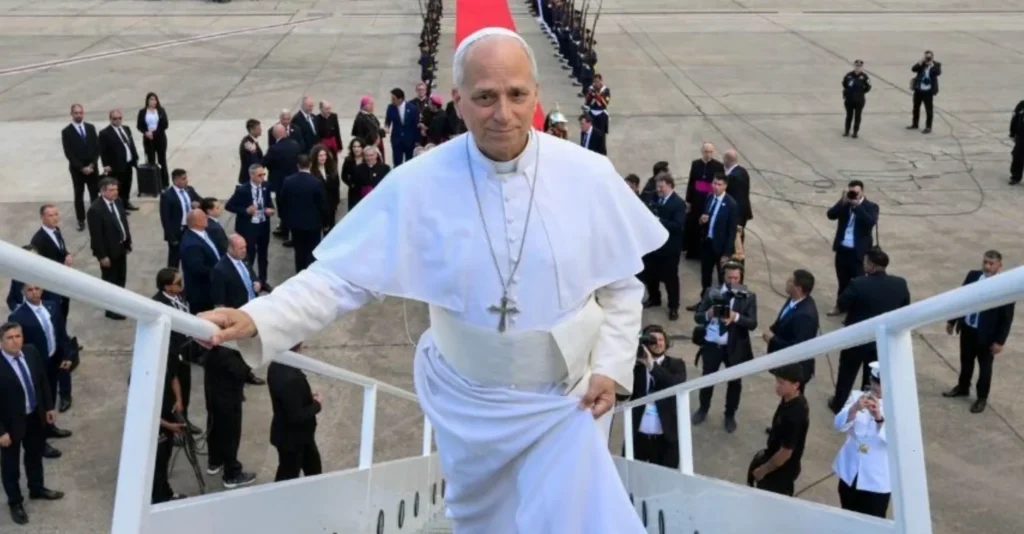

Almost immediately upon the announcement that the new pope is from Chicago, I received a message from a friend: “Does Pope Leo XIV favor the Cubs or the White Sox?”
The pope’s hometown of Chicago has two professional baseball teams. One, the Cubs, is famous for having gone more than one hundred years without winning a championship. Cubs fans are therefore considered infracaninophiles, lovers of the underdog.
So, my friend’s question was, in a sense, about more than sports. Is Pope Leo focused on the poor, the powerless, the oppressed? Or is he a friend of the powerful, the winners?


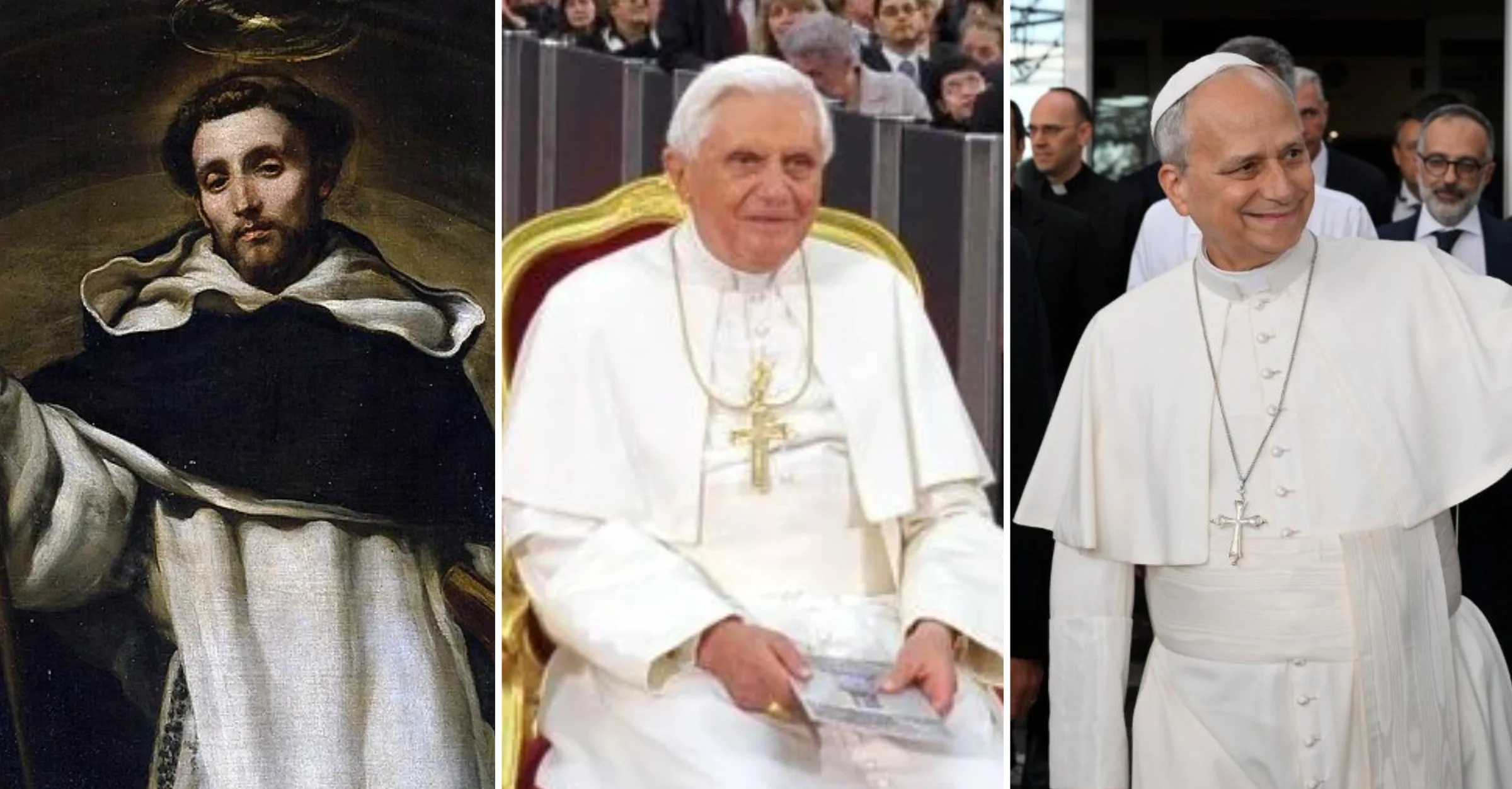
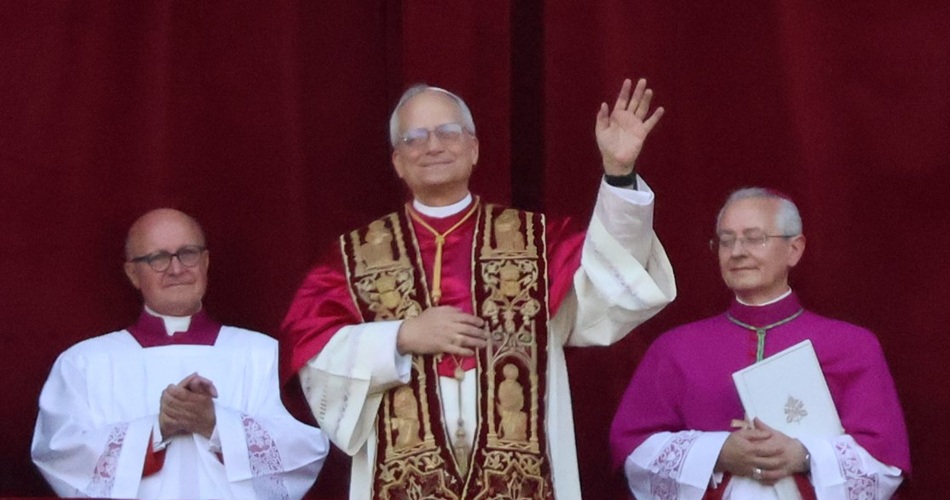
The first hint came even before he spoke, when the protodeacon Cardinal Dominique Mamberti announced that we have a new pope, “qui sibi nomen imposuit Leonemdecimum quatum” (who has taken the name Leo XIV).
As his new name indicates, there have been thirteen other popes named Leo throughout history, the first in the fifth century. He is known as Leo the Great, the first pope to be known after his death as “great.”
However, we need not look back sixteen centuries to understand Cardinal Robert Prevost’s choice of Leo as his new name.
A much more recent pope, Leo XIII, is likely to have been in the cardinal’s mind when he chose to be called Leo XIV.
Leo XIII, who was pope from 1878 to 1903, is most famous for setting the Church on the path that has made social teaching and social justice integral parts of the mission of the Catholic Church.
His 1891 encyclical Rerum Novarum on the “Rights and Duties of Capital and Labor” stressed workers’ rights to a just living wage and the right to form labor unions. He opposed both socialism and laissez-faire capitalism.
In his encyclical, Leo wrote, “working men have been surrendered, isolated and helpless, to the hardheartedness of employers and the greed of unchecked competition. The mischief has been increased by rapacious usury, which, although more than once condemned by the Church, is nevertheless, under a different guise, but with like injustice, still practiced by covetous and grasping men. To this must be added that the hiring of labor and the conduct of trade are concentrated in the hands of comparatively few; so that a small number of very rich men have been able to lay upon the teeming masses of the laboring poor a yoke little better than that of slavery itself.”
In short, Leo XIII was an infracaninophile. And so, by his choice of name, our new pope is telling us that he is committing his papacy to caring for the poor, the oppressed, the voiceless.
When it became his turn to speak after the Habemus Papam announcement, Leo confirmed in various ways that his ministry will continue and develop that of Leo XIII and all the subsequent popes, perhaps especially Pope Francis.
He thanked the cardinals, “who have chosen me to be the successor of Peter and to walk with you as a united Church, always seeking peace, justice, always striving to work as faithful women and men of Jesus Christ, without fear, to proclaim the Gospel, to be missionaries.”
The pope’s first wish for the Church is to be united in seeking peace and justice. In the minds of many, that is a radical call because they consider calls for peace and justice to be political rather than religious.
He also stresses that the vocation of the Church belongs to women and men, a statement that not only includes women but puts them first. And that vocation is missionary, directed outside the Church itself toward the whole world.
Affirming his commitment to continue the work of Pope Francis to find a new way to be a Gospel presence in the world, Pope Leo said, “we want to be a synodal Church, a Church that walks, a Church that always seeks peace, always seeks charity, always strives to be close especially to those who suffer.”
So, we can expect the quest for a synodal model of the Church that emphasizes walking together with the Lord and one another, leaving no one behind, to continue.
We will continue to experience that quest as good news for the poor, as an infracaninophile community of faith, hope, and love.
Some time after my friend asked about Cardinal Prevost’s devotion to one baseball team or another, she sent word that she had found confirmation that Pope Leo is, indeed, a Cubs fan.
But he had already told us that.
Addendum
In an interview, Pope Leo’s brother John Prevost said of his brother, “He was never, ever a Cubs fan. So I don’t know where that came from. He was always a Sox fan.” He added that the pope’s mother was a Cubs fan. In any case, Pope Leo still has an infracaninophile heart that is exemplified by, though not limited to, Cubs fans.