





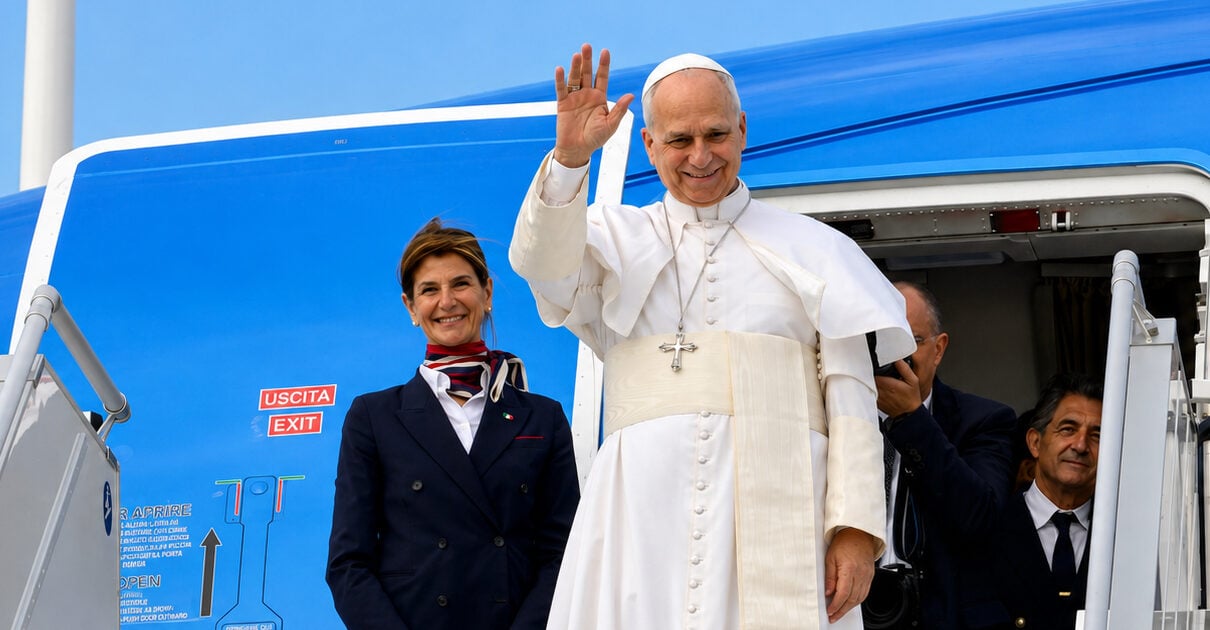
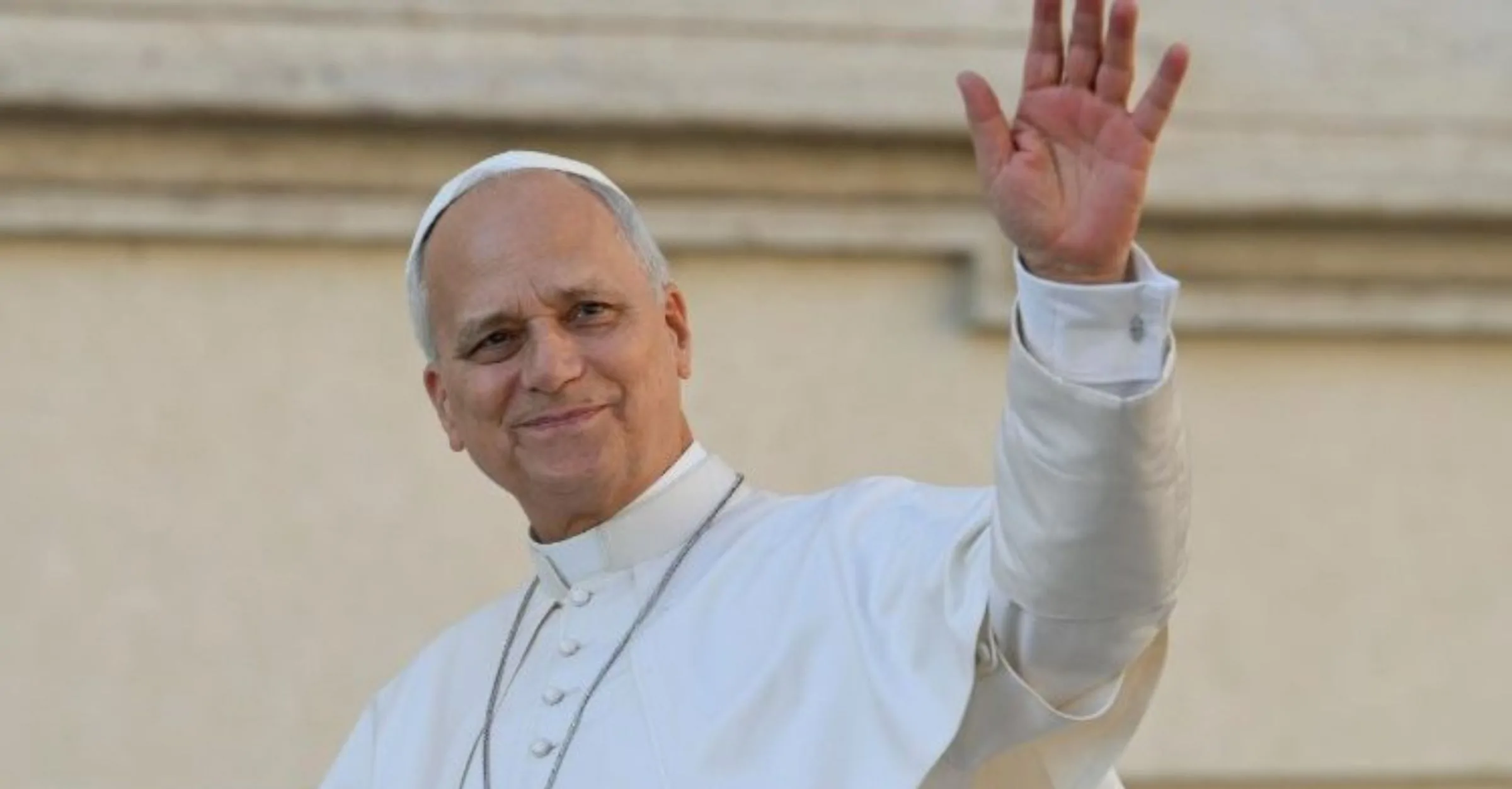
Pope Leo XIV offered two ways of thinking about a border over the last three days of July.
The first was biographical. On July 29, speaking with NBC, Leo—the first Pope born in the United States—said he thought of himself “more as the Pope who happens to be American.” It was less a denial than a shift in emphasis.
He was not renouncing the country of his birth. He spoke warmly of its promises of freedom and opportunity and of its long tradition of welcome.


But in Leo’s telling, America was not a clean parable. His grandparents were immigrants; his mother’s family included both slaves and slave owners.
The America he carries with him is made of arrivals and exclusions, wounds and promises. That inheritance is not incidental to how he views migration. It is the lens.
The second border was literal. Three days later, at the Angelus, Leo turned toward Ceuta, the Spanish enclave on the North African coast, a threshold between Africa and Europe.
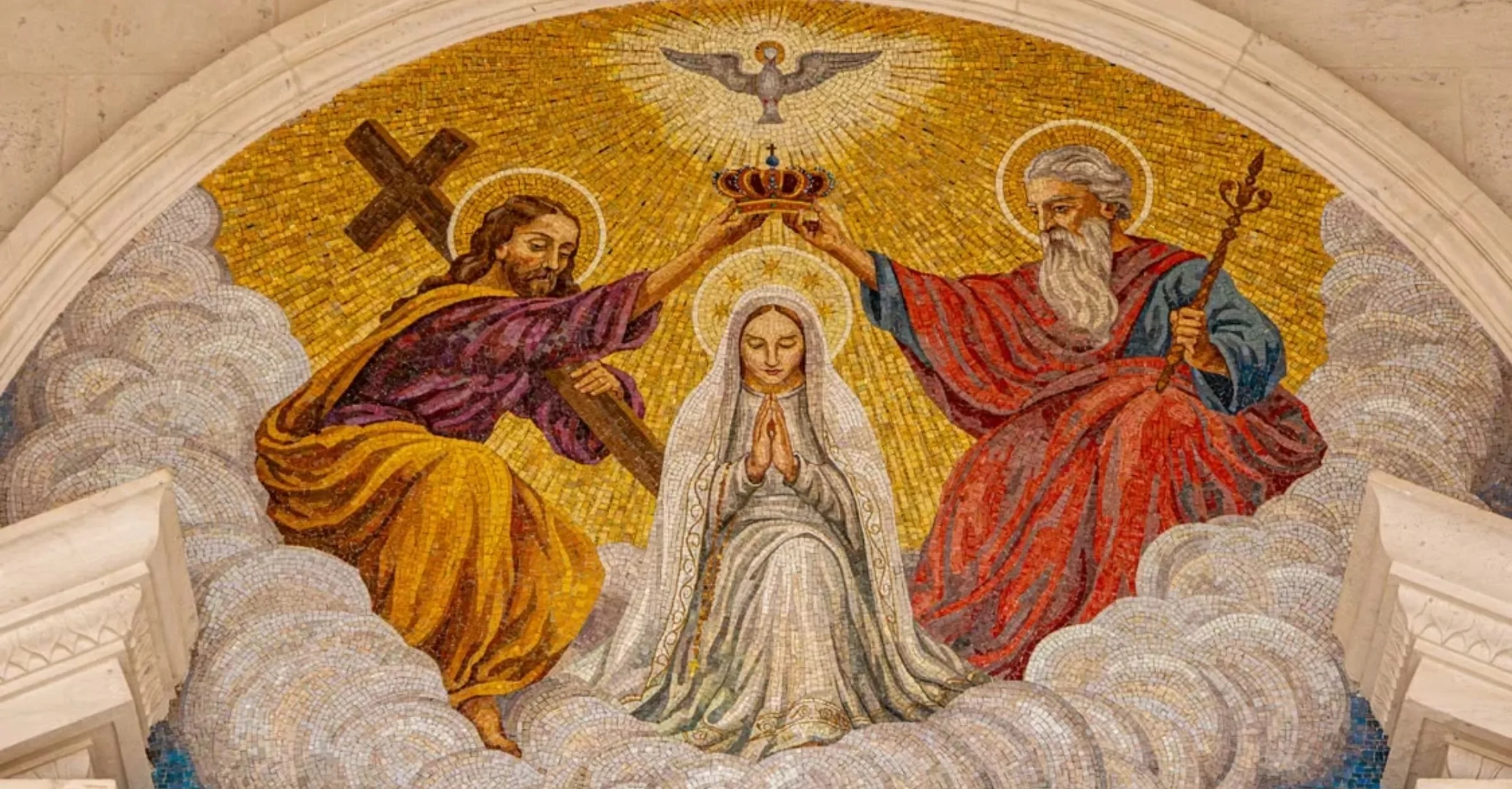
“I am following with concern the alarming situation in Ceuta,” he said, invoking Our Lady of Africa so that “solutions for peace, stability, and justice may be found.”
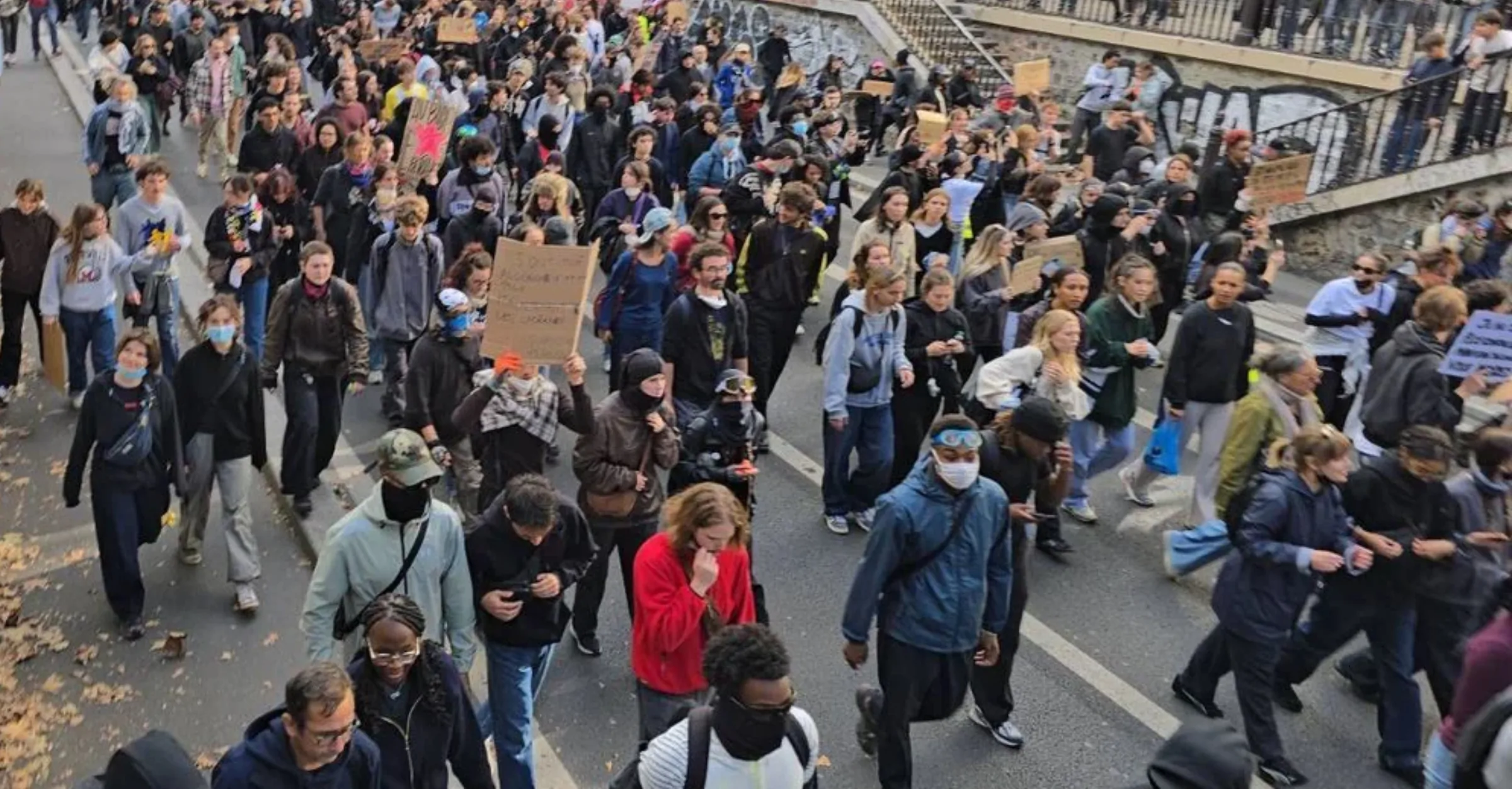
The scale was staggering. On July 30, tens of thousands of people, most of them young Moroccans, reached Ceuta by land or by swimming.
Spain’s Interior Ministry estimated some 72,000 entries—nearly equal to the enclave’s population of 84,000.
Within days, roughly 70,000 people had returned voluntarily or were sent back to Morocco. Of the remaining, about 1,000 are unaccompanied minors, according to the ministry. The provisional death toll reached 77.
The rush had been fueled by viral messages that misrepresented a court ruling about the guarantees owed to people arriving by sea as an announcement that the border was open.
❝
American history gives Leo a vocabulary of freedom and opportunity and a record of the exclusions that accompanied those promises
Europe’s first reflex was suspicion. On Aug. 4, however, the European Union’s interior ministers announced “full solidarity” with Spain.
Italy, meanwhile, reinstated checks on air and sea links with Spain for non-European travelers, invoking national security and even terrorism.
But the geography did not support the alarm: no one could travel from Ceuta to mainland Spain without passing a police check, and the European Commission found that not one of the new arrivals had reached the continent.
Italy was preparing for a route that, in practice, did not exist.
The Pope’s three nouns—peace, stability, justice—were familiar diplomatic language. Their force lay in his refusal to separate them.
Stability without justice can become containment; peace without dignity can be little more than silence at a checkpoint. The administrative language of borders tends to reduce people to numbers, flows, and risks. Leo’s words restored the people to view.
His aside about being American belongs here. Becoming Pope did not erase his origin; it gave him another use for it.
American history gives Leo a vocabulary of freedom and opportunity and a record of the exclusions that accompanied those promises. A nation built by migration may be especially gifted at forgetting that fact when migration arrives in the present tense.
The familiar political question is whether the Pope “defends migrants.”
Leo’s biography poses a harder question: what changes when the person speaking about borders knows that a border runs through his own family history?
In Ceuta, as in America, a border is more than the edge of a state. It is a place where a society decides whom it will see and which version of its own past it is willing to remember.











3 Comments
Vibin Antony
August 9, 2026The article looks good.
Mary Anna
August 9, 2026I am a big fan of Spadaro’s Vatican Diary.
Dr.Cajetan Coelho
August 14, 2026Peace, stability, and justice are vital for our on-going-ness and togetherness. Our Lady of Africa – Pray for us.