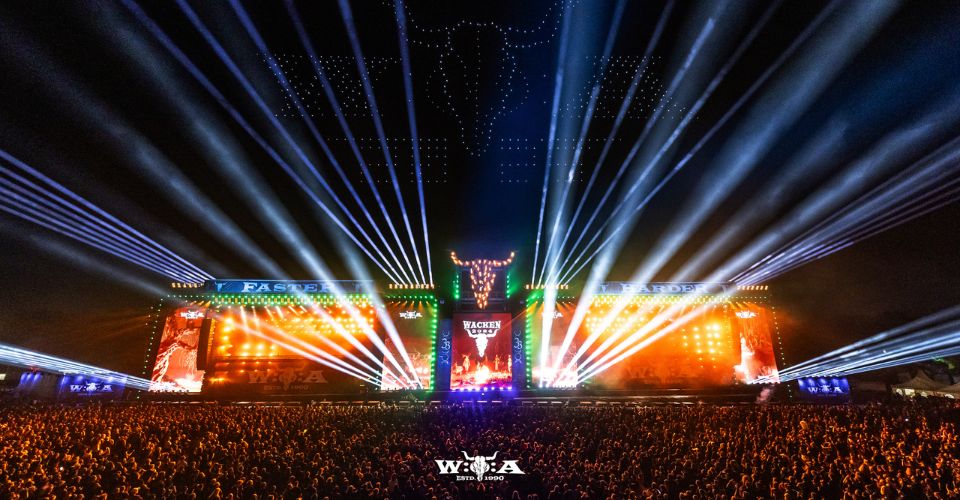
The Wacken Open Air festival officially begins on July 29. Founded in 1990, it is the world’s largest heavy metal music festival, located in the village of Wacken, Germany.
Fans from around 80 countries arrive at the village with attendances reaching above 85,000 people.
In the wake of the recent attack at Berlin’s Christopher Street Day (CSD) celebration, questions have arisen about whether the world’s largest heavy metal festival will be affected.


On July 26 a woman died and 29 people were injured after a man drove a van into a group of participants in the Tiergarten park, crashing the vehicle into a tree before fleeing the scene.
The suspect identified as Abdul Ballout, was shot dead by police on the evening of July 26 in Spandau, a suburb of Berlin.
The CSD are annual LGBTQ+ Pride events in Germany and Switzerland taking place between June and August.
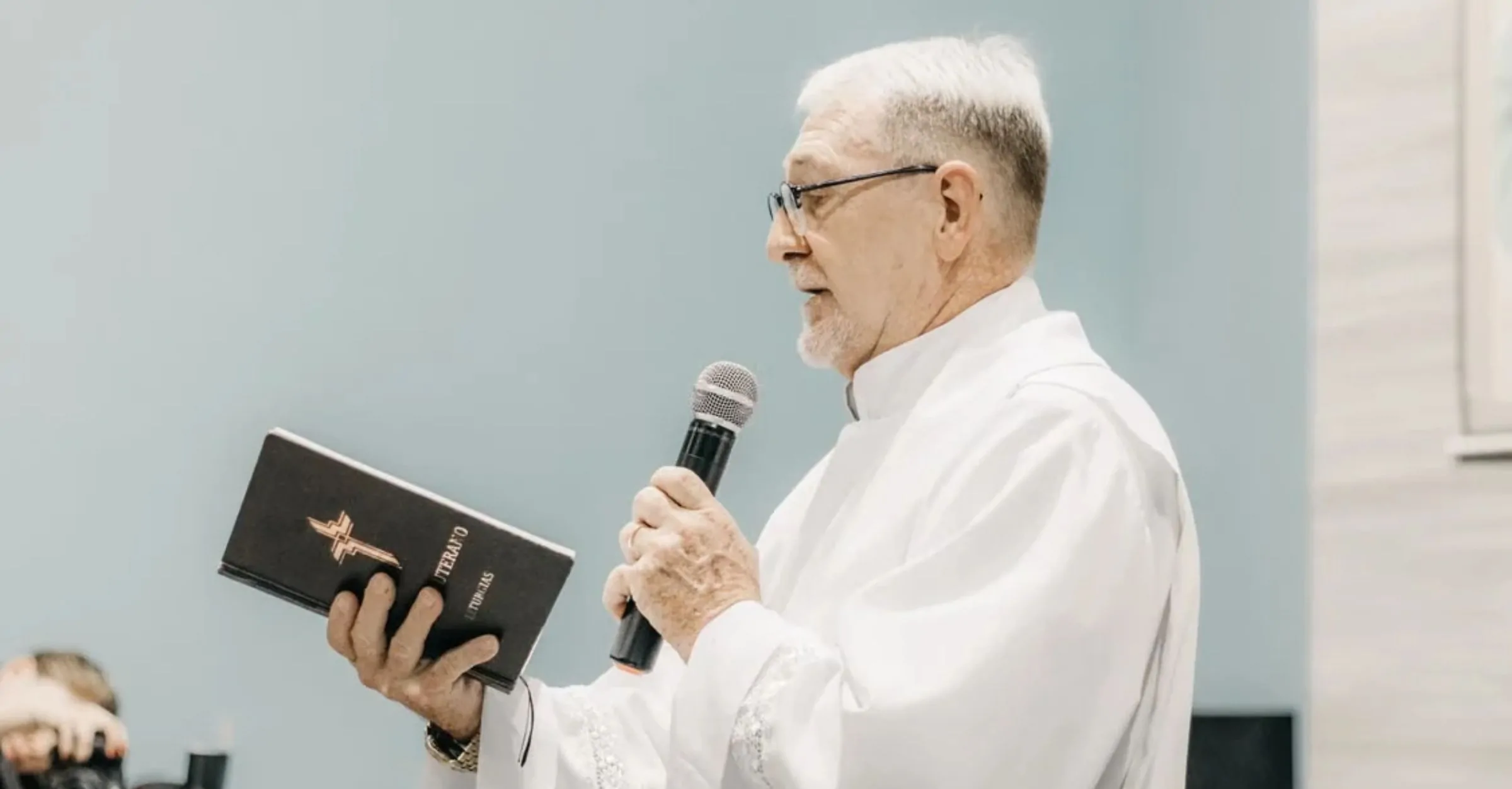
Lutz Neugebauer, a festival chaplain and deacon in the Archdiocese of Hamburg, shares his perspective.
Have you already received concerned questions about whether Wacken will still take place after the attack at Berlin’s CSD event?
Not so far. If those kinds of questions do come in, they would most likely go to the festival organizers and leadership team. I’m only a part of the overall operation.
Officially, at least, that question hasn’t come up yet. That said, it’s obvious that what happened could affect some people’s ability to celebrate without worry.
As chaplains who accompany people through difficult moments, we find ourselves asking the same question: What does this event mean for us personally?
Could there be something such as a moment of silence for the Berlin CSD attack victims during the festival?
A great many things are possible. But festivals are different from many other kinds of public events, so it’s difficult to say.
Are chaplains trained to deal with situations such as terrorist attacks or similar emergencies? How do you prepare personally?
I bring extensive experience from my work as an emergency chaplain.
We’ve trained for major disaster situations and spent a great deal of time preparing for exactly these kinds of scenarios.
If conversations move in that direction, I can rely on both that training and my practical experience.
❝
I’ve had several conversations with people who were genuinely curious about faith. They thought it was wonderful that chaplains were present and asked what exactly we were doing at Wacken.
How are you preparing for Wacken festival which officially begins tomorrow?
Today is mostly about packing. That means sturdy shoes, warm clothing, and nothing too colorful—mostly black, which fits in well at Wacken.
More than anything, though, I’m looking forward to another wonderful festival filled with great people and an outstanding team of chaplains.
Heavy metal fans are often stereotyped as rough and rugged. What kinds of concerns do festivalgoers actually bring to you?
It’s different every time. Sometimes it’s relationship issues.
A group of friends comes to the festival together, conflicts arise, misunderstandings develop, and someone wonders whether they can continue celebrating with their friend.
People sometimes forget that, during the festival, this small village temporarily becomes the third-largest city in Schleswig-Holstein with more than 100,000 people on the festival grounds.
That means the same kinds of things happen here as they do in cities like Kiel or Flensburg.
Someone may receive heartbreaking news from home that a loved one has died. Others simply become overwhelmed by the festival environment.
Tent walls are thin, and you hear everything happening around you. Those are the situations people bring to us, and we do our best to support them.
After several years serving at Wacken, are there any moments that stand out in your memory?
Absolutely. I’ve had several conversations with people who were genuinely curious about faith.
They thought it was wonderful that chaplains were present and asked what exactly we were doing at Wacken.
The conversations often begin with a joke or a humorous comment. But long after that, they can become deeply meaningful, touching on fundamental questions about faith.
Those moments are especially moving.
Do you get any time to enjoy the music yourself? Are you a fan?
Some of the music isn’t really my style. But when the “old rockers” like Scorpions or Iron Maiden perform, I can definitely connect with that.
I try to arrange my schedule—or at least have some influence over it—so I can catch a concert or two whenever possible.
This is a translated and edited version of the interview that first appeared on DOMRADIO.DE and has been republished with permission by Global Catholic.