



The Vatican’s relationship with traditionalist groups critical of Church reforms remained unresolved for decades.
Archbishop Marcel Lefebvre carried out unauthorized episcopal ordinations in 1988, thereby leading the Society of St. Pius X (SSPX) into schism.
Lefebvre, the founder of SSPX, and four newly ordained bishops had incurred automatic (latae sententiae) excommunication, and the SSPX was formally declared no longer in communion with the Catholic Church by Pope John Paul II.


Pope Benedict XVI later partially reversed this measure by lifting the excommunications of the surviving bishops in 2009.
A similar situation occurred with the small community known as the Transalpine Redemptorists. Founded in 1988 with the support of the SSPX, the group initially found itself outside communion with Rome but later received official ecclesiastical recognition from Pope Benedict XVI in 2008.
Unusual ecclesiastical movements
Following the new unauthorized episcopal ordinations carried out in Switzerland on July 1, the bishops of the SSPX involved in the ceremony were officially declared excommunicated.
The Transalpine Redemptorists are also planning an unauthorized episcopal ordination on July 26, a step that would automatically place them in schism—that is, in a rupture of communion with the Catholic Church.
Yet these are far from the only traditionalist communities that have developed into unusual ecclesiastical movements.
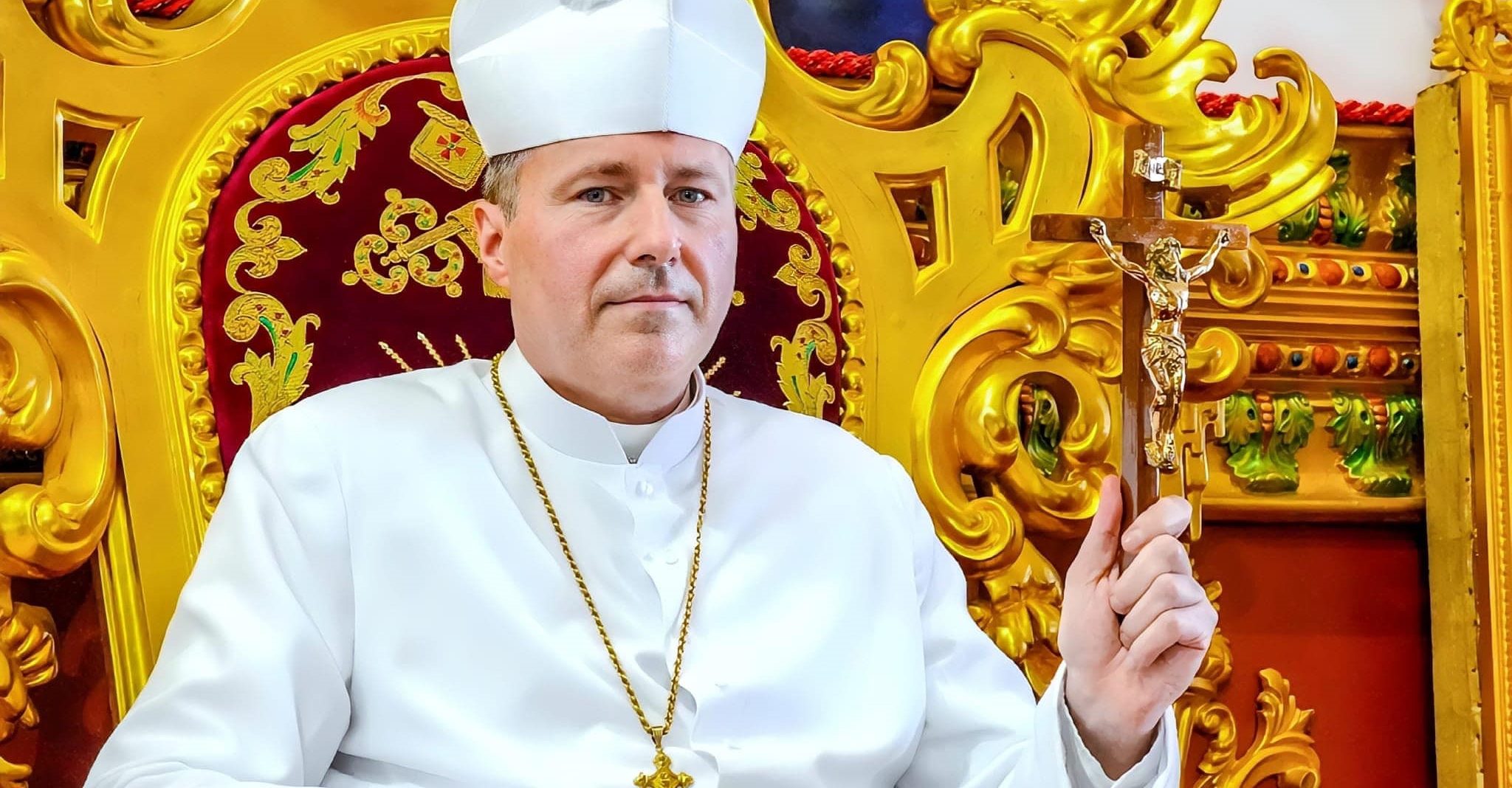
For example, the Palmarian Catholic Church, based in the small town of El Palmar de Troya in southern Spain not only claims to have its own pope—”Peter III,” the Swiss-born Markus Josef Odermatt—but also regards itself as the true seat of the Vatican.
❝
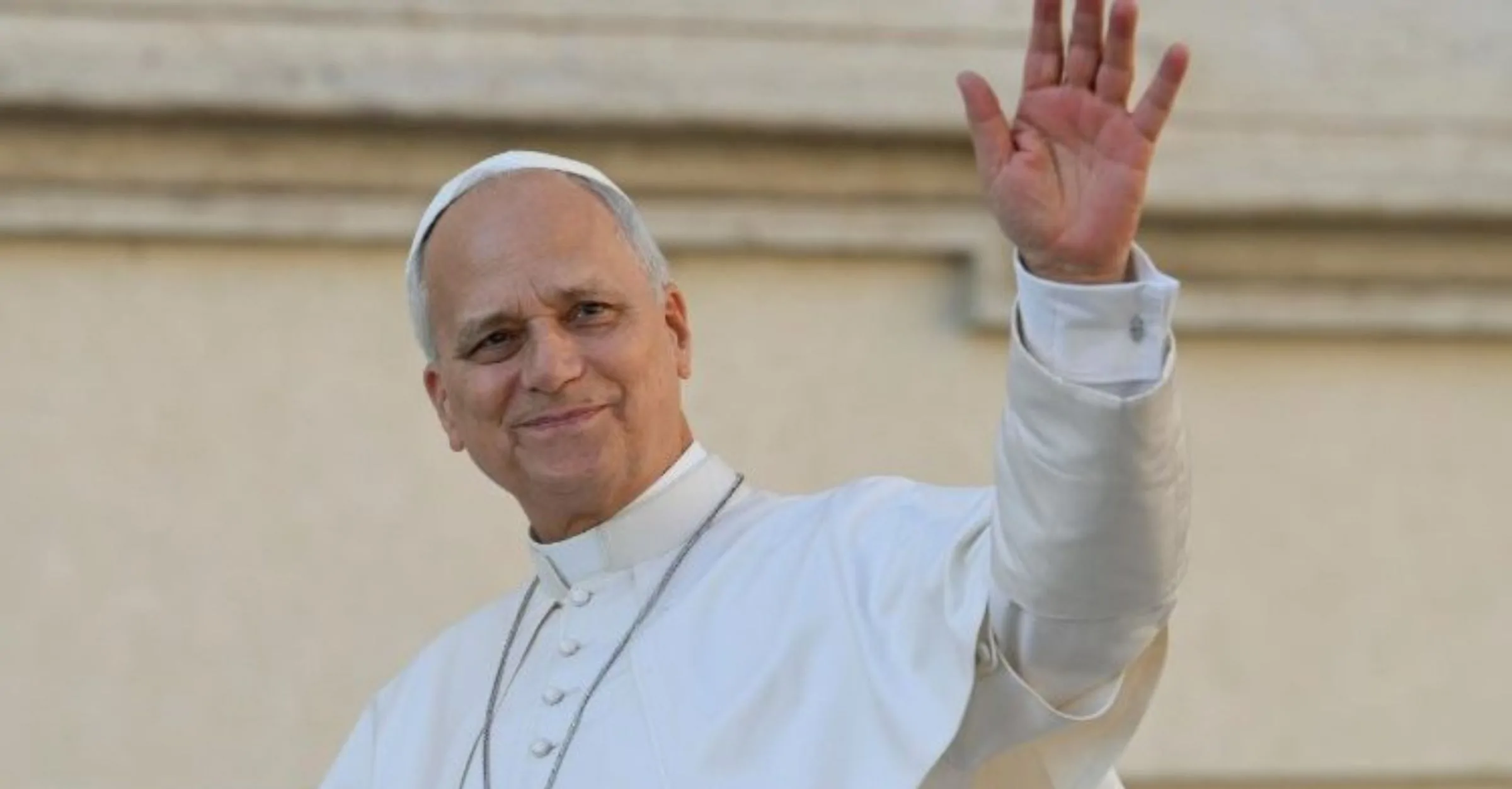
Pope Leo XIV’s decision to formally excommunicate the bishops involved in the SSPX’s unauthorized ordinations marks a clear red line toward traditionalist communities that challenge the authority of the Second Vatican Council while continuing to appeal to papal authority.
With roughly 10,000 members, it is the largest of these splinter churches, though not the only one. Others include the Free Catholic Church, the New Christians, and the Celtic Catholic Church, some numbering only a few dozen members.
Parallel ecclesiastical structures
The Catholic Church’s relationship with these small breakaway communities is not straightforward.
According to Catholic teaching, there is an important distinction between the lawfulness and the validity of an episcopal ordination.
A bishop may lawfully be ordained only with the authorization of the Pope. However, this legal requirement is separate from the sacramental act itself. Through the laying on of hands by a validly ordained bishop, episcopal ordination is believed to preserve an unbroken line of succession back to the Apostles—the apostolic succession.
Once someone has been validly ordained a bishop within this succession, the Church teaches that the sacramental character of the episcopate is permanent and cannot be erased.
For this reason, the four bishops ordained by the SSPX in Écône, Switzerland, on July 1 are considered to be validly ordained bishops, even though their ordinations were illicit and they are regarded as being in schism with Rome.
Archbishop Lefebvre was by no means the only bishop to exist outside the structures of the Catholic Church.
Such independent bishops are commonly referred to as “vagante bishops” (or episcopi vagantes). When they in turn ordain other bishops and priests, they create small but genuinely existing parallel ecclesiastical structures alongside the Catholic Church.
The Palmarian Church and its origins
The Palmarian Catholic Church traces its episcopal succession to the Vietnamese Archbishop Pierre Martin Ngô Đình Thục, who, in protest against the reforms of the Second Vatican Council, performed several unauthorized episcopal ordinations.
One of those ordained was the Spaniard Clemente Domínguez y Gómez, founder of the Palmarian Church.
Like the SSPX and the Transalpine Redemptorists, the Palmarian Church rejects key reforms of the Second Vatican Council, including its teaching on religious freedom and its reconciliation with Judaism.
The crucial difference, however, is that while the SSPX and the Transalpine Redemptorists continue to regard themselves as loyal to the papacy—rejecting only certain conciliar teachings—the Palmarian Church rejects the legitimacy of the Vatican and the post-conciliar popes altogether.
❝
The bishops and priests of these splinter groups may be regarded as illicit and schismatic, yet their ordinations are nevertheless considered sacramentally valid by the Catholic Church.
That rejection has gone so far that the Palmarian Church not only ordains its own priests and bishops but also elects its own pope.
The community has also shortened the celebration of the Eucharist to approximately ten minutes and, in 2000, published its own version of the Bible.
Since 2016, the Palmarian Church has been led by the Swiss-born Markus Josef Odermatt, who reigns under the papal name Peter III.
He is the fourth head of the movement, following Gregory XVII, Peter II, and Gregory XVIII.
Odermatt entered the Order of Carmelites of the Holy Face in 1985, spent 18 years as a missionary in South America, and has described himself as a descendant of the Swiss hermit St. Nicholas of Flüe (Brother Klaus), one of Switzerland’s national saints.
After assuming leadership in 2016, Peter III issued his own “encyclical,” in which he excommunicated his predecessor Gregory XVIII.
The Palmarian Church accused Gregory XVIII of stealing €2 million (US$2.2 million) and a BMW car from the community. Gregory XVIII later left the sect and entered into a relationship with a former Palmarian nun.
A challenge for the Vatican
As bizarre as these stories may seem, they highlight a genuine dilemma for the Vatican.
The bishops and priests of these splinter groups may be regarded as illicit and schismatic, yet their ordinations are nevertheless considered sacramentally valid by the Catholic Church.
Over the decades, this has allowed a small but real parallel ecclesiastical structure to develop alongside the official Catholic hierarchy.
Pope Leo XIV has adopted a more decisive stance.
Pope Leo XIV’s decision to formally excommunicate the bishops involved in the SSPX’s unauthorized ordinations—and all members of the fraternity—marks a clear red line toward traditionalist communities that challenge the authority of the Second Vatican Council while continuing to appeal to papal authority.
Whether that decision will have any effect on groups such as the Palmarian Catholic Church is another question. It is unlikely to concern them in the slightest.
This is a translated and edited version of the column that first appeared on DOMRADIO.DE and has been republished with permission by Global Catholic.









2 Comments
Pierre Whalon
July 16, 2026As usual, people can be validly ordained as bishops, and yet live in schism and outright rejection of the papacy… And yet, the orders of the bishops of the 90 million Anglicans in the world (the only other global church) are “absolutely null and utterly void,” according to Pope Leo XIII’s 1896 Bull.
The reply to the letter by the Archbishops of Canterbury and York has never been contested. They argued that since Anglican bishops were ordained under a 5th-century rite, if our orders are invalid so are the orders of everyone else.
Time to rethink this.
chhotebhai
July 16, 2026Why are you suddenly giving so much importance to these splinter groups? Remember the wisdom of Gamaliel. If it’s God’s work nobody can stop it. If it’s man-made it will die it’s own natural death