





The surge in anti-migrant rhetoric and xenophobic violence in South Africa in recent months should alarm not only Africans but the entire world.
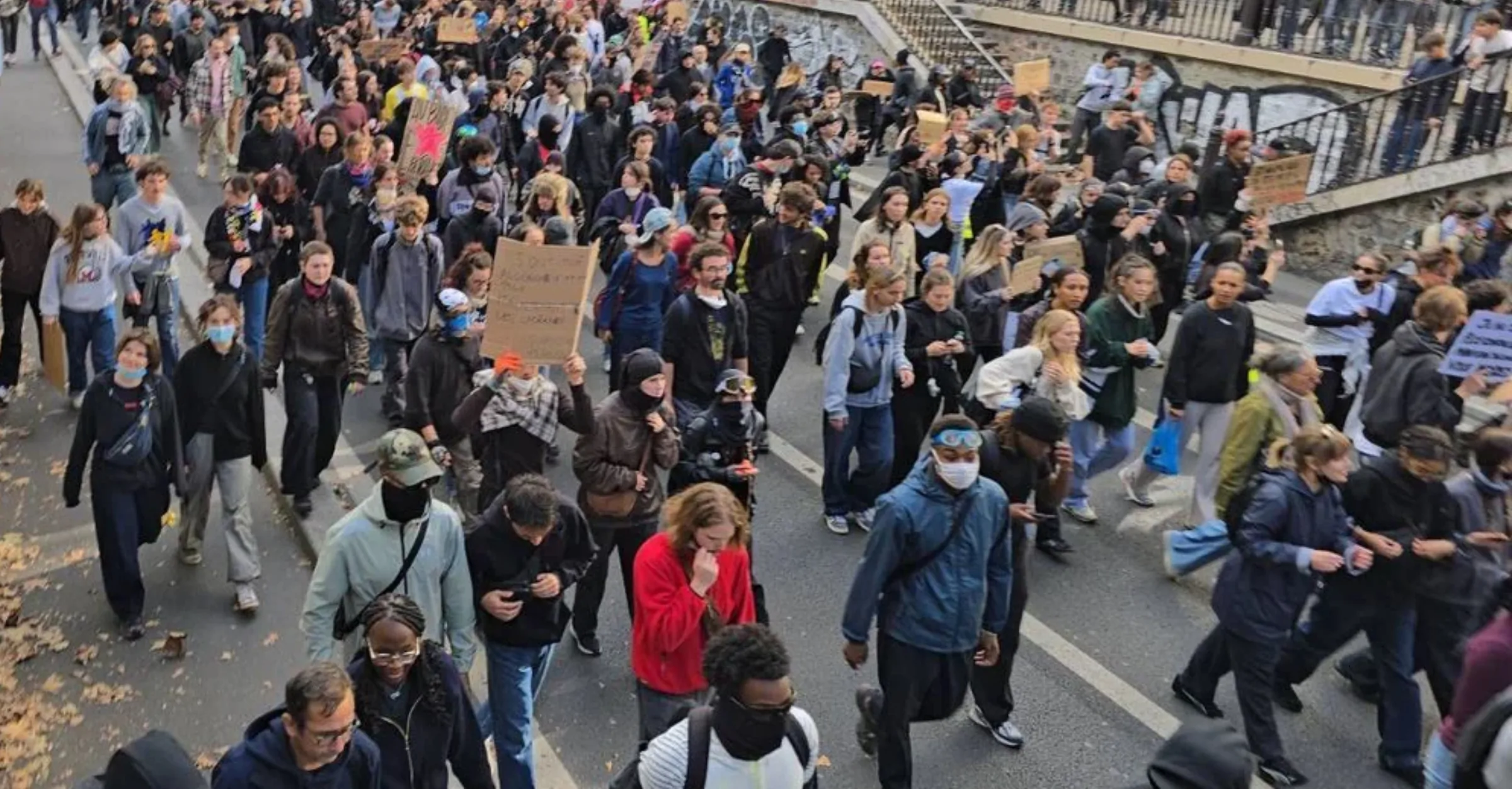
June 30, 2026, will likely be remembered as the day nationwide anti-migrant marches swept South Africa after anti-immigration groups declared it the unofficial deadline for what they called “illegal foreigners” to leave the country.
In parts of Johannesburg, Durban, and other urban centers, vigilante groups reportedly went door-to-door demanding identity documents, forcing migrants from their homes and businesses, and attacking those suspected of being foreign nationals.


Innocent lives have been lost, shops looted, businesses disrupted, and families displaced. Many remain stranded in makeshift camps, gripped by fear and uncertainty.
The violence did not emerge overnight. Xenophobic rhetoric has steadily seeped into South Africa’s political and social discourse, portraying migrants as the cause of the country’s economic and social woes. Yet this narrative obscures a far more uncomfortable reality.
South Africa’s challenges are rooted not in migration but in deep structural problems: chronic unemployment, staggering inequality, poor service delivery, weak governance, corruption, and the frustration of a generation that has yet to experience the economic dividends promised after apartheid.
Perhaps the greatest tragedy is that the hostility is directed largely against fellow Africans. It is a painful paradox that a nation whose struggle against exclusion and injustice inspired the world should now witness violence against those seeking safety or opportunity within its borders.
The philosopher George Santayana famously warned that “those who cannot remember the past are condemned to repeat it.” His observation resonates powerfully today. South Africa’s democratic transition was built upon the rejection of discrimination, exclusion, and racial hatred. Allowing xenophobia to flourish risks betraying the very ideals on which the new South Africa was founded.
Pope Francis echoed a similar concern in Amoris Laetitia: “The lack of historical memory is a serious shortcoming in our society. A mentality that can only say, ‘Then was then, now is now,’ is ultimately immature. Knowing and judging past events is the only way to build a meaningful future.”
The violence unfolding today sits uneasily with Nelson Mandela’s vision of a democratic South Africa rooted in human dignity, equality, and reconciliation. This does not mean that unlawful immigration should be ignored.
Every sovereign nation has the right—and indeed the obligation—to manage its borders and enforce its immigration laws. But there is a profound moral and legal difference between enforcing the law and allowing fear to degenerate into vigilantism.
❝
The struggle against apartheid was founded on the conviction that every human being possesses inherent dignity and deserves equal respect. That same moral vision must now guide South Africa’s response to migration.
As pastor-theologian Jerry Pillay has observed, xenophobia extends beyond a fear of strangers to attitudes and behaviors that reject, exclude, and vilify those perceived as outsiders. Such prejudice dehumanizes migrants and corrodes the moral fabric of society.
South Africa’s economic inequalities help explain, though never justify, the anger. Political liberation in 1994 did not automatically deliver economic justice. Decades later, the country remains among the world’s most unequal societies. Millions still struggle with poverty and unemployment, and opportunities remain unevenly distributed.
But migrants are not the reason for these failures. A serious examination reveals far deeper causes. Around 13.8 million South Africans still live below the food poverty line, unable to afford the minimum daily nutritional requirements. These conditions stem from longstanding structural deficiencies, not from the presence of migrants.
Unfortunately, some politicians have found it convenient to redirect public frustration toward foreigners rather than confront failures of governance, corruption, inadequate policing, and slow economic growth. Sensational rhetoric and inconsistent enforcement of immigration laws have further fueled public resentment.
The churches have consistently offered a different vision. The Southern African Catholic Bishops’ Conference and the South African Council of Churches have repeatedly condemned xenophobia while acknowledging the legitimate concerns many South Africans have about crime, unemployment, and migration.
They insist that these challenges must be addressed through justice and good governance—not through violence against vulnerable people.
On June 17, Archbishop Sithembele Sipuka of Cape Town, president of the South African Council of Churches, led a delegation to meet President Cyril Ramaphosa.
He reminded the president that South Africa’s crisis cannot be blamed on migrants. Rather, he argued, corruption has hollowed out public institutions, poor education has failed many young people, and state services have deteriorated. Migrants have become convenient scapegoats for problems they did not create.
The struggle against apartheid was founded on the conviction that every human being possesses inherent dignity and deserves equal respect. That same moral vision must now guide South Africa’s response to migration.
Legitimate concerns about border management should be addressed through effective laws, competent institutions, and responsible governance—not by permitting fear, prejudice, and violence against those perceived as outsiders.
South Africa’s future will not be secured by building higher walls between Africans. It will be secured by building stronger institutions, expanding economic opportunity, restoring public trust, and renewing the values of solidarity, justice, and Ubuntu that once inspired the world.












2 Comments
Rob Currie
July 29, 2026Your struggle is OUR atruggle–the struggle of all of us to INCLUDE all, exclude no one. Count on our solidarity from a little village in Nicaragua. ¡Adelante!
John Keenan
July 30, 2026Many of your observations ring true, yet not just the migrant suffers but many others as well, as pervasive corruption destroys the social and cultural cohesion. It is a tragedy for sure, and immigration needs to be regulated, as well as other corrupt behavior. Needed is a fundamental national document that recognizes the rights to life, liberty, and property, with governance grounded on balanced and checked powers. It needs, a vigorously independent judiciary that protects these rights without prejudice, contempt, or injustice. While the essential words of solidarity, subsidiarity, economic opportunity, compassion, justice, and other human virtues are mighty reminders; such sentiment is for nought until the rule of law is respected, and economic opportunity is established to create wealth, not by or for the government, but for the nobility of all people through a free market economy. Until such time, articles like this make great projections of sentiment and pleasing ideas but change little in the real world.