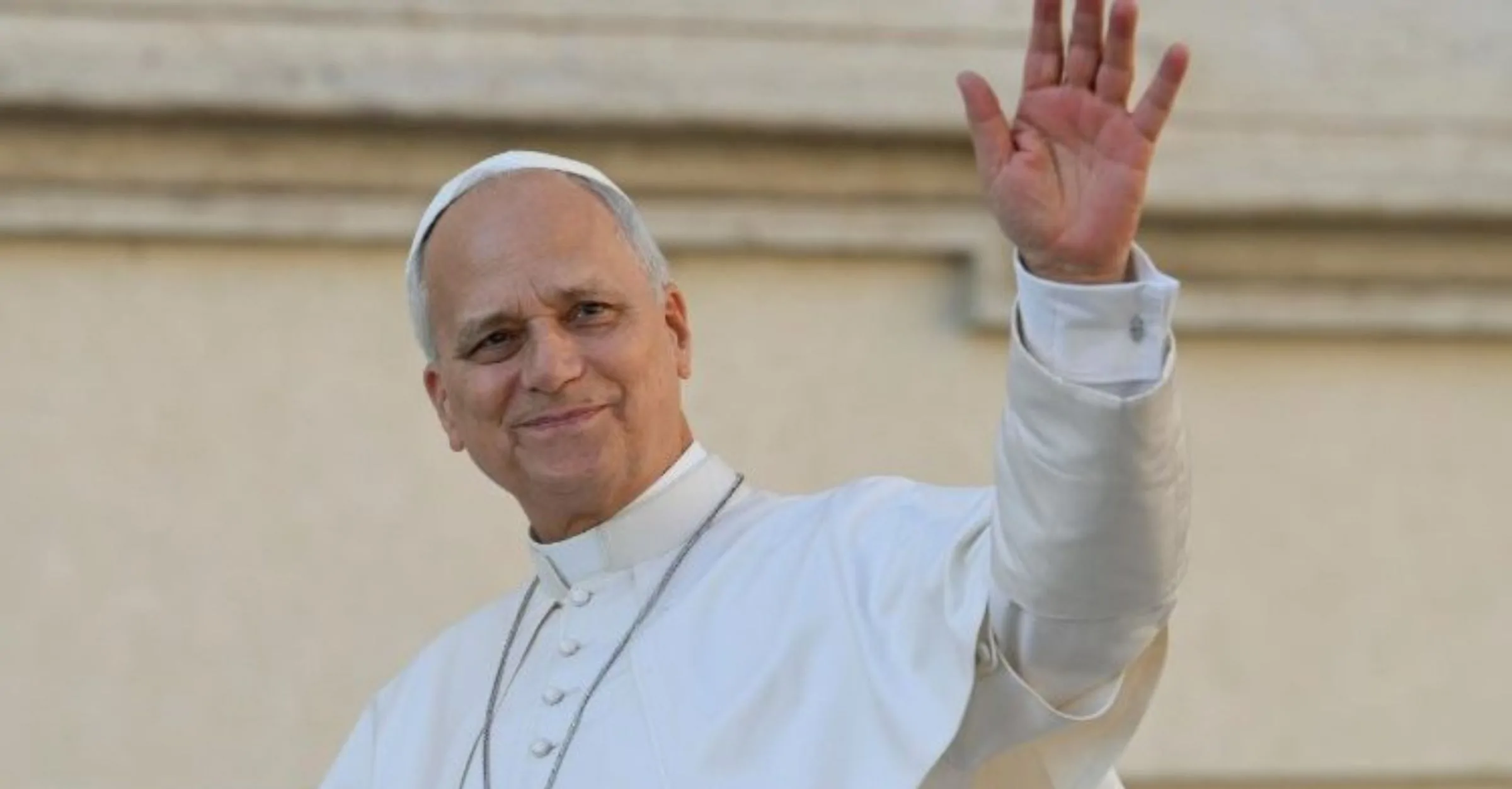
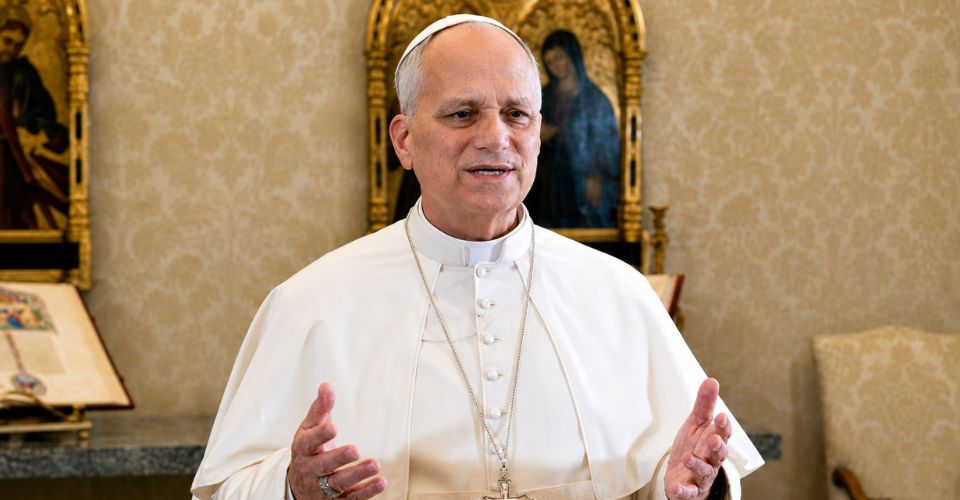
Pope Leo XIV returned from his summer vacation on July 27 and later amended the Fundamental Law of Vatican City State, the constitutional framework which governs the Vatican’s civil administration.
Vatican correspondent Michael Feth explains what makes the reform significant and who will actually be affected by the changes.
Is the Vatican’s Fundamental Law comparable to Germany’s Basic Law?


No. Germany’s Basic Law is a constitution. It defines the structure of the state, the relationship between citizens and government, and the separation of powers.
The Vatican is different. Vatican City is an absolute elective monarchy. Executive, legislative, and judicial authority ultimately rest with the pope.
As a result, the pope can amend the Fundamental Law far more easily than constitutional changes can be made in countries such as Germany.
Who does this Fundamental Law apply to? Does it affect the universal Catholic Church?
No. The Fundamental Law applies exclusively to Vatican City State. It’s important to distinguish between two entities.
One is Vatican City State, the territorial state with roughly 450 residents.
The other is the Holy See, which represents the Catholic Church under international law and maintains diplomatic relations with countries around the world.
In everyday conversation, the two are often treated as if they were the same, but they are not.
The revised Fundamental Law governs only the organization of Vatican City State—not the governance of the worldwide Catholic Church.
What are the most significant changes?
The biggest change is the continued professionalization of the Vatican’s administration.
Until now, Vatican City State was governed by a Commission of Cardinals, which also appointed the president of the Governorate, the Vatican’s executive administrative body.
❝
During the conclave, there was a clear desire for the next pope to devote greater attention to the Vatican’s internal governance and to continue the modernization process begun under his predecessor.
Under the new rules, lay men and women may now serve on that commission.
In addition, the president of the Governorate may now also be a layperson, rather than necessarily being a cardinal.
Pope Leo XIV is only the fourth pope to revise the Vatican City’s Fundamental Law. Why did he make this a priority so early in his pontificate?
I believe he wants to complete reforms left unfinished by Pope Francis. Because of declining health, Francis was unable to bring some of his reforms to completion.
During the conclave, there was a clear desire for the next pope to devote greater attention to the Vatican’s internal governance and to continue the modernization process begun under his predecessor.
Does this reform complete that process, or are further changes likely?
That will depend on future developments. The need for modernization arises whenever circumstances change.
Over the past several decades, technological advances and new forms of communication have transformed the way institutions operate.
Those changes also affect the administration of Vatican City. Pope Leo XIV wants to continue making the Vatican’s administrative structures more professional and efficient.
To accomplish that, laws will need to be updated from time to time.
This is a translated and edited version of the interview that first appeared on DOMRADIO.DE and has been republished with permission by Global Catholic.