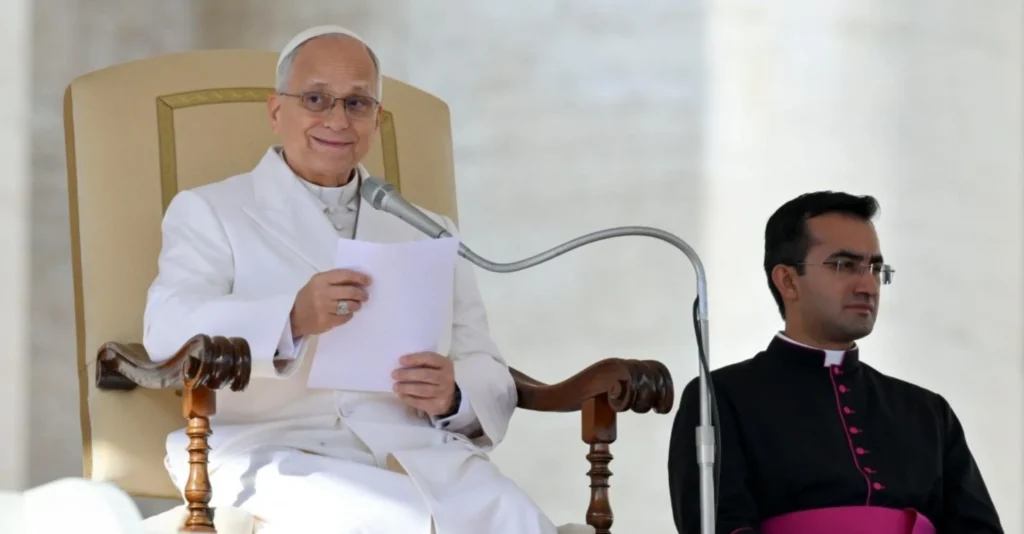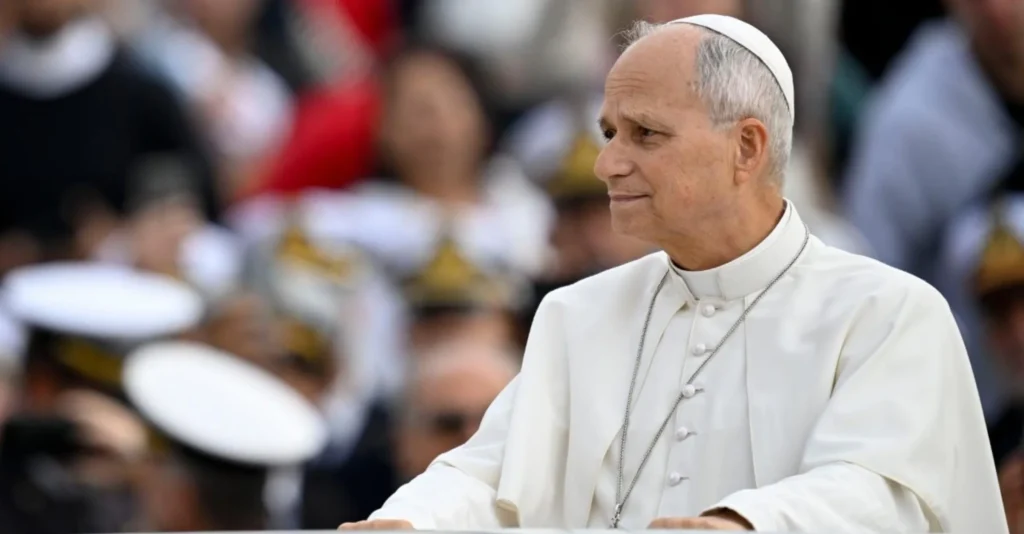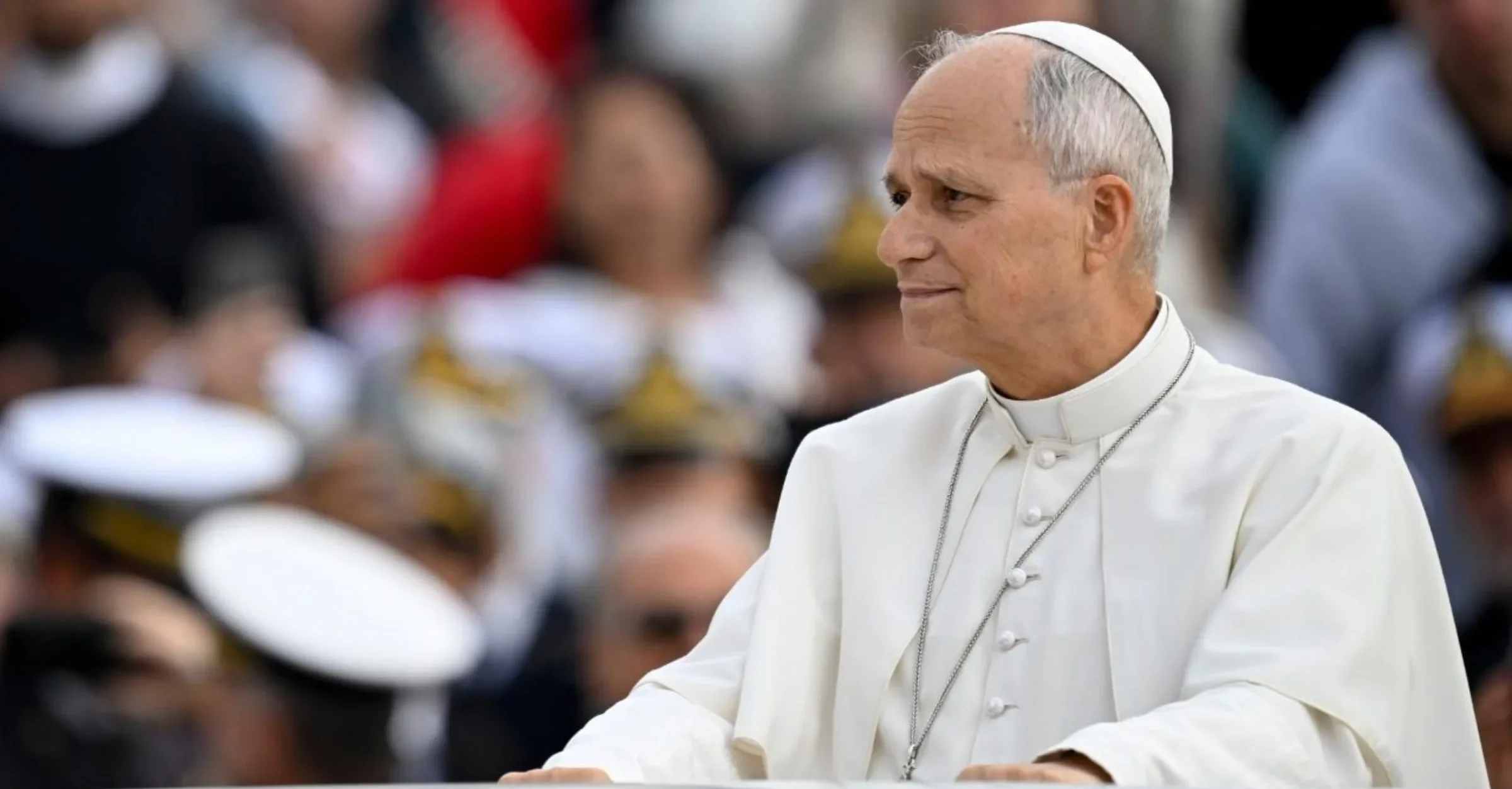

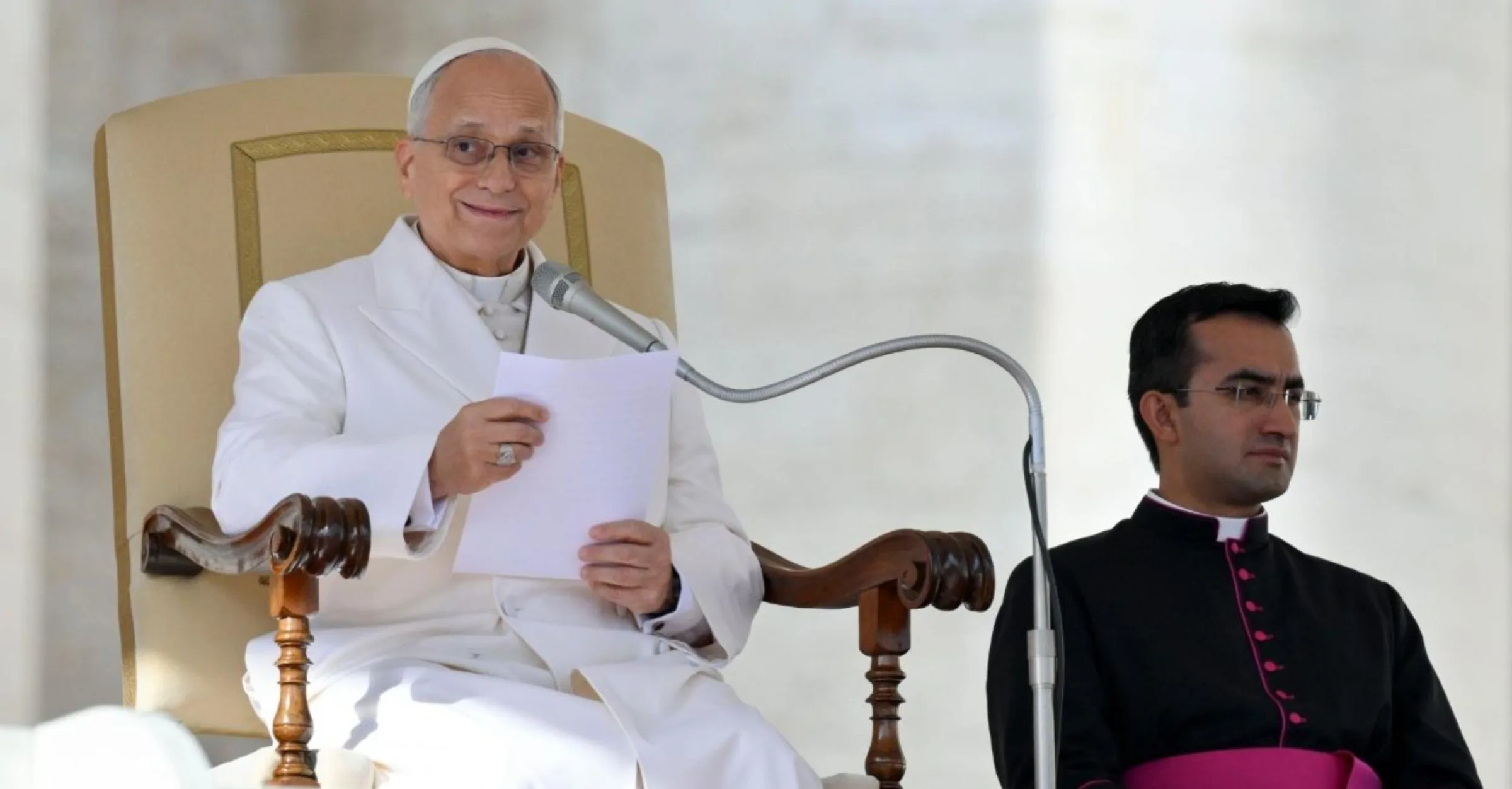
On Nov. 6, Pope Leo XIV departs for Uruguay, Argentina, and Peru: twelve days, twelve flights, and two helicopter transfers, the longest journey of his pontificate.
It is, before anything else, a homecoming.
Robert Prevost lived in Peru for nearly 20 years, first as an Augustinian missionary and then as the Bishop of Chiclayo, and he took Peruvian citizenship.


Before it is the visit of a Pope, it is the return of a bishop to the land that made him a pastor.
Seven of the 12 days are given over to Peru, with a Mass on the Pampas de Pimentel, near Chiclayo, a stop in Cusco, and the first papal Mass ever celebrated in Pucallpa, in the Amazon.
Argentina is the journey’s other reason: the country of Francis, who, in his twelve years as Pope, never once returned, and which now receives his successor.
Uruguay, visited only by John Paul II, is the most secularized country on the continent: the share of Catholics has fallen from 60 percent to 33 percent, and Christmas is officially known as “Family Day.”
The challenges are of three kinds.
The first is physical. On Oct. 13, the Pope underwent surgery for a pulmonary adenocarcinoma, and his doctors cleared him to travel two weeks later. He chose not to postpone.
Nor has the program been lightened: Cusco sits at about 11,000 feet, a punishing altitude for anyone with breathing-related health issues, and the schedule calls for travel almost every day.
This will be the most closely watched journey of the pontificate: every pause, every change in the program, will be read as a signal of the Pope’s condition. Peru’s President, Keiko Fujimori, herself said she expected the visit but would understand if it did not take place.
The second challenge is political. In Buenos Aires, Leo will meet Javier Milei, who once called Francis “the representative of evil on earth” and whose cuts to social spending have drawn criticism from the bishops.
The visit to the Cottolengo in Claypole, a home for more than 300 people with disabilities, touches an open wound because it is precisely the care of the most vulnerable that has borne the brunt of the budget cuts.
In Lima, the Pope will find the ninth president in ten years, committed to a hard line against crime, in a country that has long struggled to achieve institutional stability, where the Church remains one of the few voices most people still listen to.
The journey also brings renewed attention to clerical abuse in Argentina, and “several meetings” have been confirmed.
The third challenge is a question of measure. The Argentine bishops insist that the Pope comes “as a pastor, not as a political actor,” and even the most critical voices have abandoned confrontation, at least for now.
And yet a Pope born in the United States and holding Peruvian citizenship is, in himself, a bridge between the north and the south of the hemisphere, and that alone is enough to lend the journey geopolitical significance.
Leo will speak to everyone without entering into national quarrels, and he will do so, first of all, through the places he has chosen, including those his predecessor favored: a prison, a neighborhood on the outskirts of a city, and a river in the Amazon.