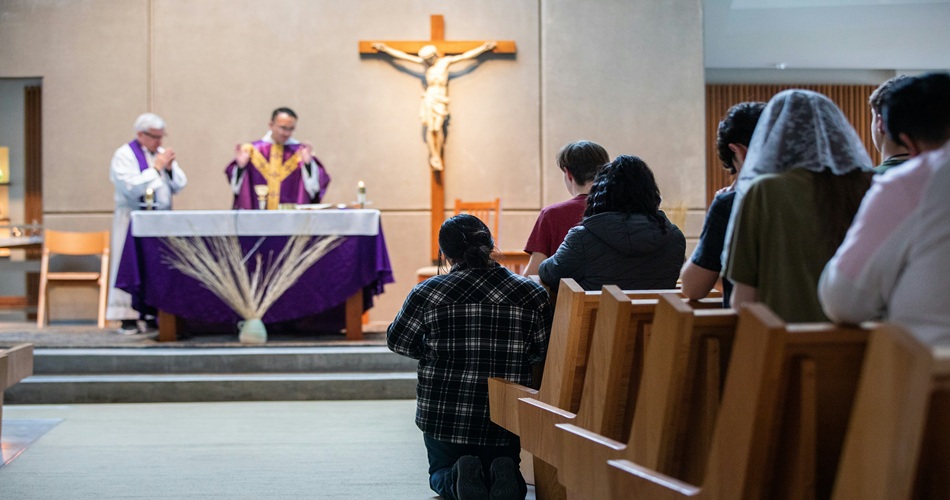
They need to be very cautious not to lose the moral dimension of their activities





Dr. Kuruvilla Pandikattu is a scholar working at the crossroads of physics, philosophy, theology, and ethics. He is currently involved in research and publications at St. Xavier’s College, Maharo, Dumka, in Jharkhand, India. Pandikattu, after his postgraduate studies in science (MSc-Physics) at St. Joseph’s College, Tiruchirappalli, pursued his master's degree in philosophy at Jesuit-run Jnana Deepa Vidyapeeth (JDV) and an MPhil at the University of Pune.

Respect in business ethics begins with recognizing the inherent value and dignity of every person and stakeholder.

The concept of intrinsic self-worth is a potent one that emphasizes the inherent worth and value of every individual.

Church leaders who are learned and committed are quite prone to moral justification as a way of perpetuating misdeeds.

By cultivating dependability, we contribute to the dependability and health of the systems and relationships in our lives.

When individuals align their actions with their authentic selves, they experience inner harmony, purpose and fulfillment.

The normal tendency is to take credit for oneself and push the blame on the higher-ups.

The Church needs to be very cautious with special terminologies so that it does not lose the moral dimension of its activities.

The mechanisms of moral disengagement function by reducing or eliminating unpleasant emotional responses, such as guilt and shame.
Join the remarkable Global Catholic journey
Global Catholic is proud to be independent—editorially, politically, ideologically and financially.
But independence comes at a cost. Without patron support, we depend entirely on readers and friends like you.
To sustain and grow Global Catholic, we need to raise US$250,000.