




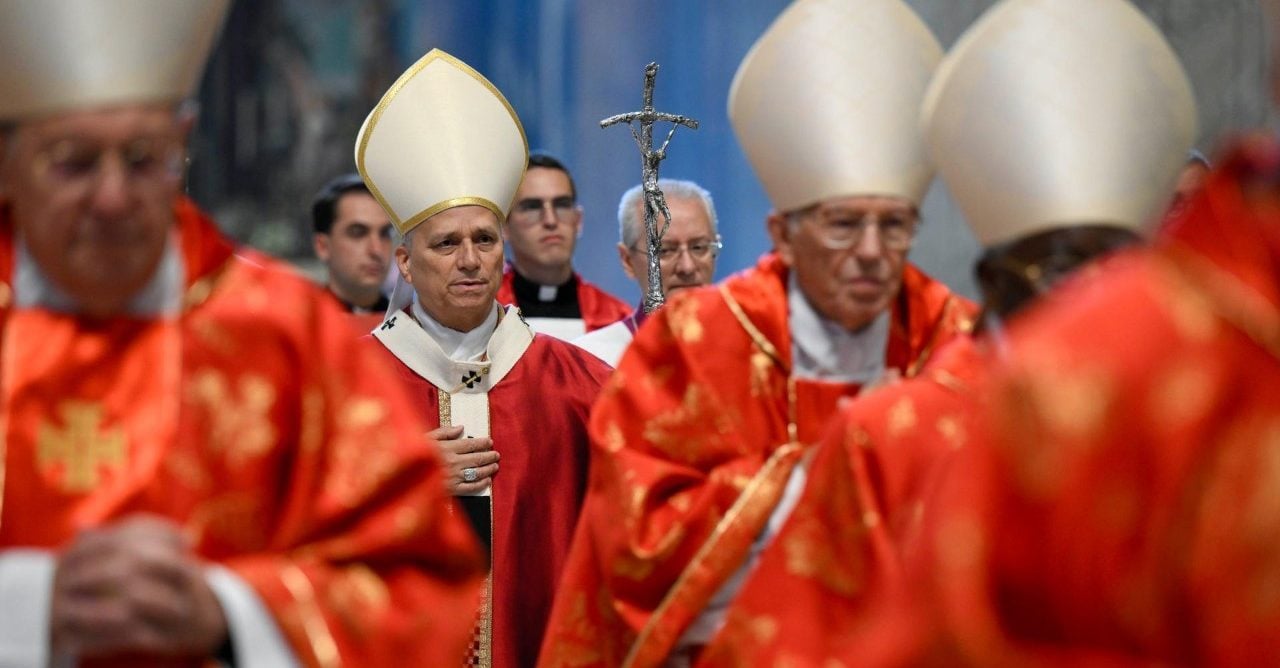
Tagle, Pizzaballa, and Parolin. Since last year’s conclave, these names have become familiar not only within Church circles but also worldwide.
Now, cardinals from around the world will meet again. Pope Leo XIV has summoned them, along with all other cardinals, to the Vatican over the coming weekend for an extraordinary consistory.
The meeting will be the largest gathering of cardinals in the Church—even larger than a conclave, because this time cardinals over the age of 80 will participate.


Currently, the world has 240 men wearing the red robes and hats of cardinals, though only 117 are under 80 and eligible to vote in a papal election.
One of the wishes the cardinal expressed during the previous meetings with Leo was that the new pope involve the College of Cardinals more closely in the governance of the Church.
Pope Francis had approached this differently: not through plenary assemblies but through the Council of Cardinals that he created.
This group consisted of eight or nine cardinals from around the world who advised him regularly. At various times, Cardinal Reinhard Marx of Munich and Cardinal Jean-Claude Hollerich of Luxembourg represented Central Europe on the council.
However, many members of the College apparently wanted greater participation.
For that reason, Pope Leo announced at the start of his pontificate that he would regularly convene the entire College of Cardinals in Rome for an “extraordinary consistory.”
The first such meeting occurred in January 2026, and the second will begin on June 26.
A new role for the College of Cardinals
The role of cardinals as advisers to the pope dates back to the early Church.
As early as the fourth century, cardinals assisted the Bishop of Rome in fulfilling his duties—much as parish priests assist their diocesan bishop today.
The tradition of titular churches still recalls these origins.
Every new cardinal, regardless of where he comes from, is assigned a church in Rome for which he symbolically assumes responsibility and where he may celebrate liturgies.
The red garments continue to symbolize absolute loyalty to the pope. In the most extreme circumstances, cardinals are expected to be willing to defend him and the faith even with their own blood, a willingness symbolized by the color red.
“Leo XIV appears to have plenty of time ahead of him—and many more meetings with the cardinals through which he can continue to shape the College according to his vision.”
The pope alone decides whom to appoint as a cardinal, when, and in what manner.
In most cases, the rank is conferred on important archbishops and bishops from around the world. Senior officials of the Roman Curia—the pope’s equivalent of ministers—also receive the red biretta.
More rarely, the title is granted to distinguished clergy who have already turned 80 as recognition of their lifetime achievements.
Pope Francis placed great emphasis on reaching “the peripheries,” as he called it.
As a result, churchmen from places such as the Central African Republic, Papua New Guinea, and Iran became cardinals during his pontificate, while traditional cardinal sees such as Venice, Paris, and Berlin remain vacant to this day.
Speculation about new cardinals
A pope can also appoint cardinals secretly. The term in pectore (“in the heart”) is familiar to many who watched Edward Berger’s film Conclave.
Such rare appointments occur when a newly appointed cardinal could face persecution in his homeland, so the appointment must remain confidential.
When the pope summons his cardinals to Rome at the end of June, many observers will be watching closely.
There has been speculation in advance about whether Leo might use the occasion to appoint new cardinals for the first time. However, since no such announcement has been made, this is considered unlikely.
In a letter to members of the College, Cardinal Dean Giovanni Battista Re has already outlined the topics for discussion.
The agenda includes an exchange on the global political and ecclesial situation, a discussion of the new AI encyclical Magnifica Humanitas, and conversations about the synodal reform process the Church has pursued over the past five years.
The cardinal deliberations
If the meeting follows the pattern of the first extraordinary consistory, the cardinals will sit at round tables in the Vatican audience hall, as participants did during the Synod on Synodality, and will use the “Conversation in the Spirit” format.
This method alternates three-minute interventions with periods of personal reflection and prayer. In hindsight, this format was particularly criticized by some conservative participants.
The Church will likely still have to wait for the first appointments of new cardinals. Francis generally made such appointments once a year.
Some analysts interpreted this as Francis’ attempt to shape the College of Cardinals to help ensure continuity of his priorities in the election of a successor.
That narrative is disputed, however, since the outcome of a conclave is notoriously difficult to predict given its many uncertainties.
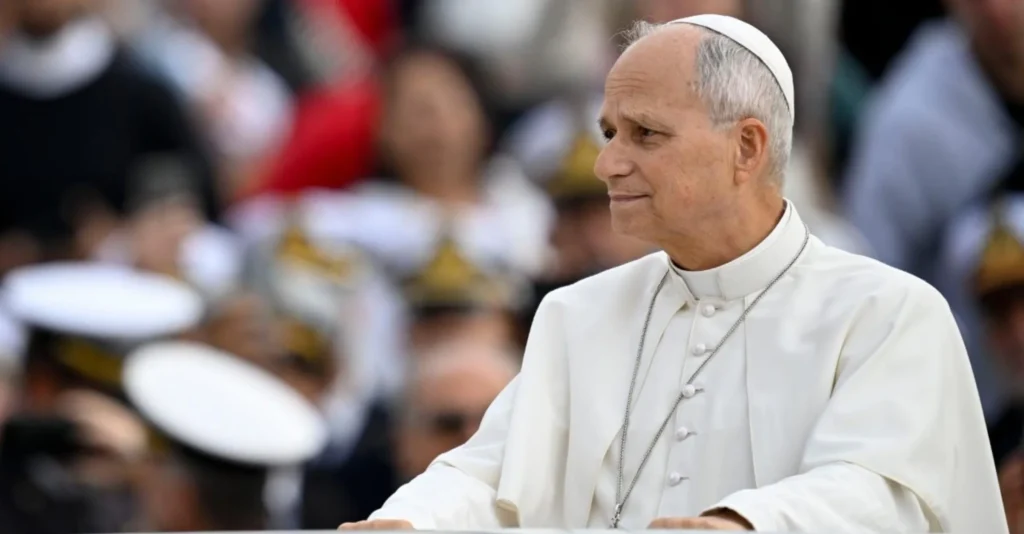
Looking at the health of the 70-year-old pope, who enjoys playing tennis and has even installed a gym in his apartment, Leo XIV appears to have plenty of time ahead of him—and many more meetings with the cardinals through which he can continue to shape the College according to his vision.
This column was first published by domradio.de and is translated, edited and republished by Global Catholic with permission.







1 Comment
chhotebhai
June 26, 2026Whatever happened to a synodal church? What about discussing married and women clergy?