





The Synod’s study groups are ten bodies that Pope Francis established between Feb. 16 and March 14, 2024, to work through questions that had surfaced during the first session of the Synod of Bishops and been recorded in the Synthesis Report of October 2023, in cooperation with the relevant Vatican dicasteries, the bishops’ conferences, and the pontifical universities.
Each group submits a final report to the Synod’s General Secretariat, and Pope Leo XIV has ordered that the reports be published in full as they come in.
Study Group 7, charged with the criteria for selecting episcopal candidates, published the second part of its final report on Sept. 8.


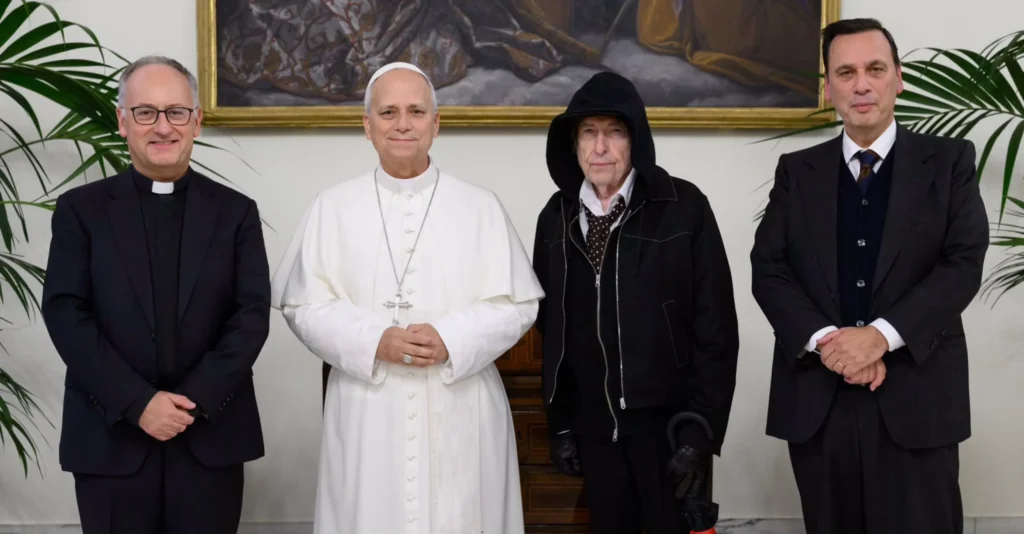
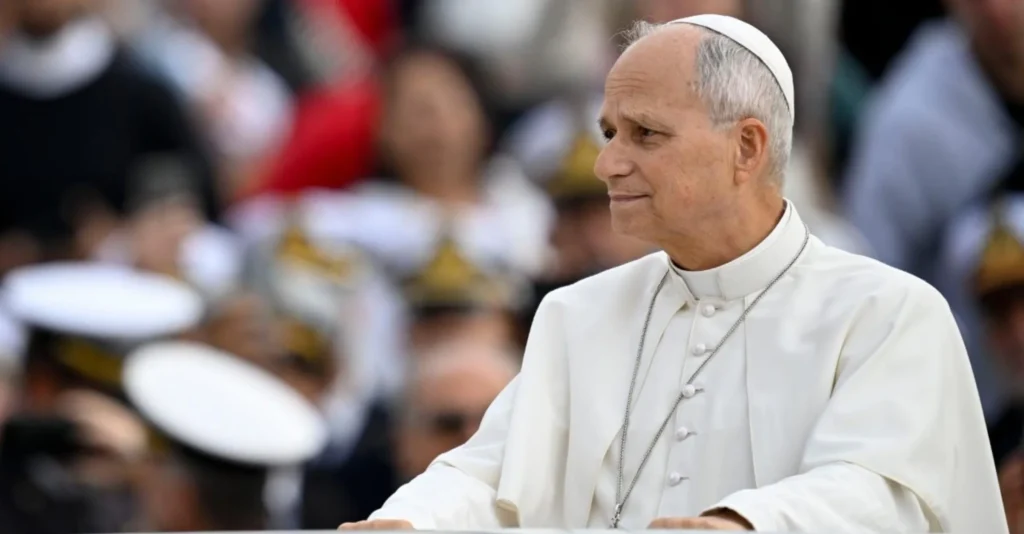
Until May 2025, its members included Cardinal Prevost, then prefect of the Dicastery for Bishops, who is now Pope Leo XIV.He has ordered the full publication of that report, along with the other nine.
The report arrived in two installments: the first, on the criteria for choosing candidates, appeared on May 5; the second, on the bishops’ visits to Rome known as ad limina visits, was published on Sept. 8.
The heart of the proposal lies in a sentence that sounds, at first, purely administrative: the apostolic nuncio ought to possess “a synodal and missionary profile,” so as to recognize the same qualities in whoever is put forward as a possible pastor: the capacity to build communion, a habit of dialogue, a working knowledge of local cultures.
Translated out of church-speak: the rules of the game don’t change; what changes is who gets listened to before a name lands on the pope’s desk.
Canon law already assigns the task of proposing candidates to the bishops of an ecclesiastical province, ahead of the bishops’ conference itself; the report leaves Canon 377 untouched, and asks only that this listening, already prescribed, become more systematic.
It is a quiet reform, the kind that requires no motu proprio: all it takes is a different sort of nuncio, trained to a particular sensibility, to reshape, over time, the profile of the men who become bishops.
There is, too, the story behind the story. It was through Prevost that Group 7 obtained from Francis a faculty that was by no means automatic: permission to examine the confidential instructions sent to papal representatives regarding episcopal appointments, an access to files that remain closed even to many cardinals.
The report now stirring debate thus bears, in part, the hand of Leo XIV himself, elected Pope on May 8, 2025, who chose, as Pope, to authorize the publication of a work to which he had contributed as a cardinal: the man who once moved through the machinery that selects bishops the world over is now making its workings public.
Earlier, Cardinal Walter Brandmüller, a Church historian, dismissed the current synodality as “inspired in part by the Protestant model.” It’s a charge the document’s own genealogy rebuts rather neatly: nothing is imported here, only the systematizing of a consultative practice as old as the Church itself.
The report, in fact, takes pains to rule out the interpretation its critics fear most: not a quantitative expansion of the people involved, which would turn episcopal appointments into a negotiation among constituencies, but a qualitative improvement in the listening, confined to the actors the law already recognizes. Not a vote, then: different ears.
Whether the sensibility now required of candidates will, over the years, produce an episcopate recognizable by a common style, or simply dissolve into the bureaucracy that produced it, remains to be seen.
What is really at stake in this report is a matter of demographics more than doctrine: encyclicals get debated, and documents get filed away, but bishops, once appointed, stay in office for decades, shaping, one appointment at a time, the real face of a synodal Church far more than any document signed in Rome ever could.






2 Comments
David Timbs
September 21, 2026If the principles of synodality are to be embedded successfully in the life of the entire Church, then the hierarchy should wind up ‘the old boys club’ and enlarge the ecclesial tent to include all in the selection of bishops. There are some solid ancient authorities in support:
“”He who is to preside over all should be elected by all” (Leo the Great, bishop of Rome 440-461 AD)
“According to the decrees of the holy fathers, anyone who is consecrated as a bishop is first to be elected by the clergy then requested by the people and finally consecrated by the bishops with the approval of the Metropolitan ….. Anyone who has been consecrated without conforming to all three rules is not to be regarded as a true, undoubted, established bishop nor counted among the bishops canonically created and appointed.” – Cardinal Humbert of Silva Candida, 1054 AD.
NINA O'CONNOR
September 22, 2026Who cares? I’m a second-class church member, a woman. I’m an old hard-working woman who cares only for trying to be of help to those in need among us. I don’t have ANY good feeling for any bishop, but they are all removed from parish life in most areas.