Every year, Italy’s “Rimini Meeting” brings together politics, the church and culture. Pope Leo XIV will attend this year’s gathering as well. Vatican expert Michael Feth speaks to Bernd Hamer on what makes the event more than just food, parties and the beach.
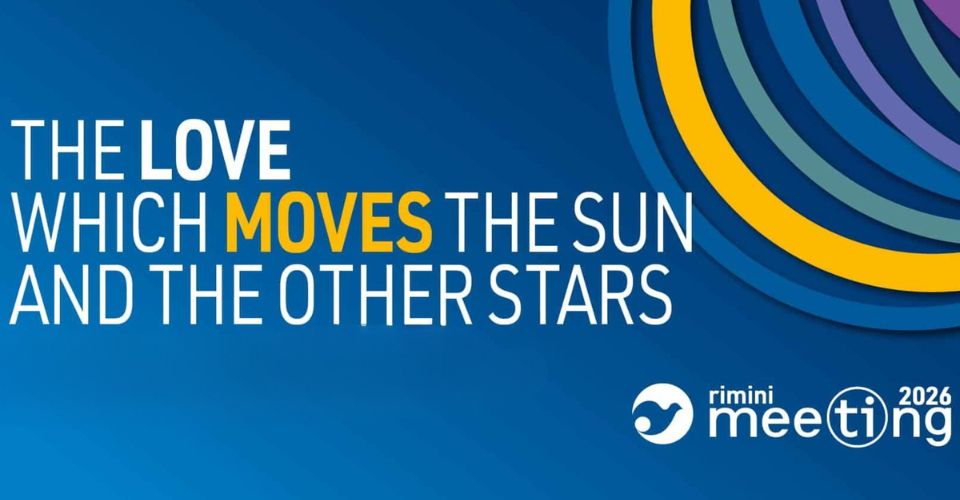
Rimini Meeting, formally known as the Meeting for Friendship Among Peoples, is one of Europe’s largest annual gatherings of its kind, drawing hundreds of thousands of people to the Adriatic coastal city of Rimini, Italy, each August.
Organized by Catholic laypeople since 1980, it blends religious observance with politics, culture and entertainment — a single week featuring Masses alongside concerts, exhibitions, sports tournaments and keynote addresses from world leaders, drawing comparisons to a kind of Catholic answer to a cultural festival like Davos or Aspen.


Rimini is known for its beaches and dolce vita or “the sweet life.” What should we imagine a Catholic gathering in a place like that to be like?
It’s first and foremost a colorful festival. I had the chance to attend myself 10 years ago, in 2016, when Italy marked the 70th anniversary of its founding as a republic.
That year’s meeting was the first appearance there by the newly elected Italian president, Sergio Mattarella, who gave a keynote address.
All of Italy’s major political figures take their turn speaking at these gatherings, and presidents, prime ministers and other prominent figures from around the world have appeared over the years, from the Dalai Lama to former German Chancellor Helmut Kohl.
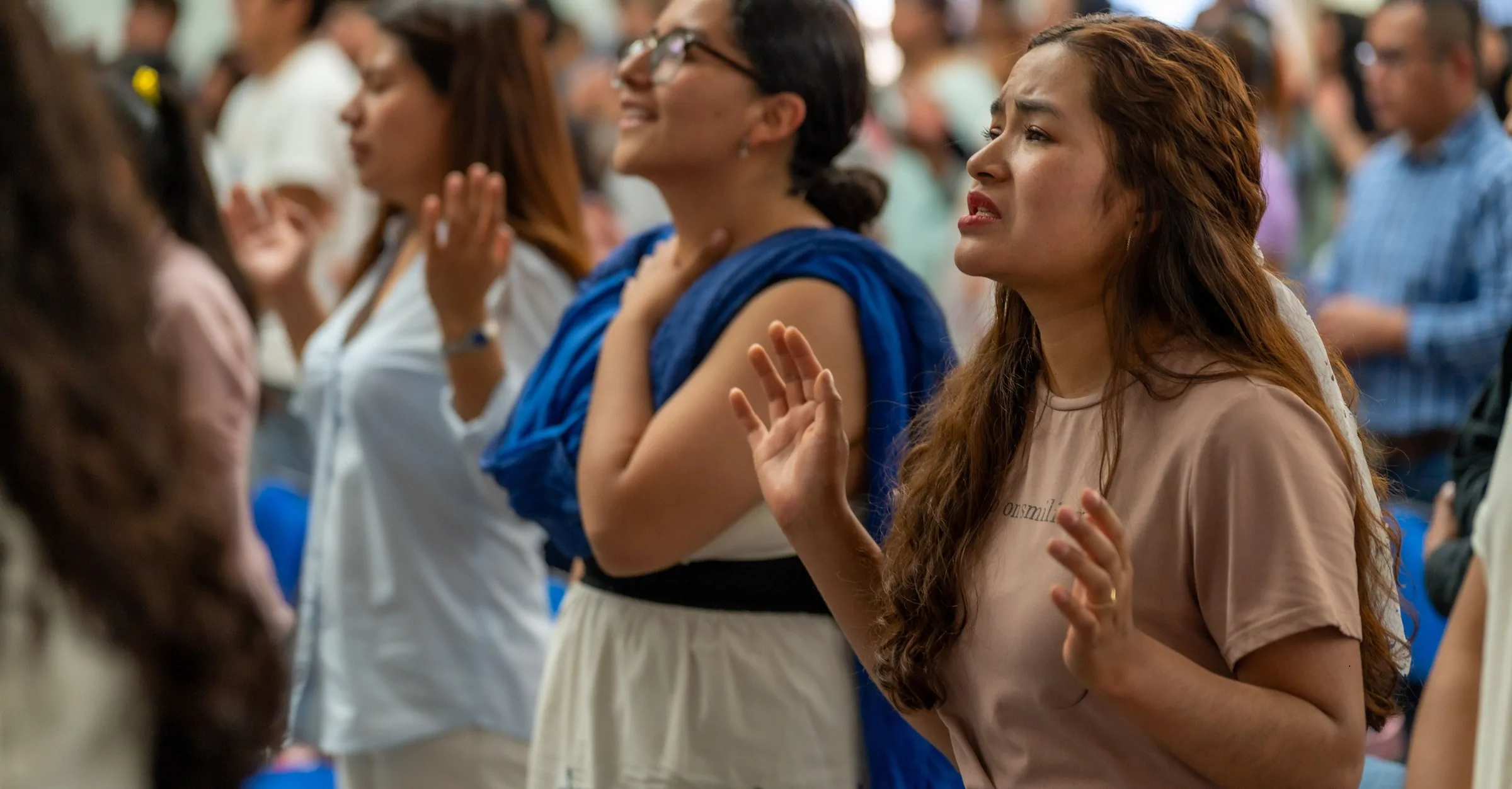
It’s a varied program, ranging from Masses, prayers and meditation to panel discussions, workshops, seminars and keynote speeches.
There’s also a cultural program with concerts, exhibitions and even sports tournaments, from triathlon to chess. The rest is food, parties and the beach.
❝
The Rimini gathering itself was started by a local group of young people and students who simply wanted to put together a summer program — that’s how the whole thing came about.
The gathering is organized by Communion and Liberation, a Catholic lay movement. How did it come about?
Communion and Liberation is one of the largest and most influential lay movements in the Catholic Church, with an estimated global membership in the tens of thousands across more than 90 countries.
It has historically been closely tied to Italian politics and business, and its members have included prominent Italian public figures. The Vatican formally recognized it as an international lay association in 1982.
It grew out of a student movement founded in the 1950s by an Italian priest in Milan, Father Luigi Giussani.
From that beginning, it developed into what is now a papally recognized lay movement that places particular emphasis on cultural exchange.
The Rimini gathering itself was started by a local group of young people and students who simply wanted to put together a summer program — that’s how the whole thing came about.
The movement’s central concerns are social engagement, building community, and cultural dialogue, especially with other religions, cultures and people who think differently.
Pope Leo XIV will visit both Rimini and San Marino as part of the gathering. What’s the relationship between San Marino and Christianity?
San Marino is one of the world’s smallest countries, a landlocked microstate of about 24 square miles entirely surrounded by Italy, with a population of roughly 34,000. It calls itself the world’s oldest surviving republic, tracing its founding to the fourth century, and it is not part of the European Union, though it uses the euro.
Christianity has deep roots in San Marino — the name itself tells you that. The country was founded by St. Marinus, and it’s an interesting story. According to tradition, Marinus fled to Monte Titano to escape the persecution of Christians under the Roman emperor Diocletian.
Diocletian, who ruled the Roman Empire from A.D. 284 to 305, launched what became known as the Great Persecution in 303, one of the most severe and systematic campaigns against Christians in the empire’s history, involving the destruction of churches and scriptures and the execution of clergy and believers who refused to renounce their faith.
Monte Titano is still San Marino’s highest point today, topped by an imposing fortress that still stands. The Christian community that gathered there under Marinus remained, and from it grew the later microstate of San Marino, now considered the world’s oldest surviving republic.
In that sense, San Marino has a deeply Christian history whose roots lie, ironically, in the persecution of Christians.
Rimini hosts the Catholic gathering every year, but San Marino doesn’t. What’s the thinking behind combining the two this time?
It’s simply because they’re so close to each other geographically, and the pope had also been invited to San Marino, so organizers apparently combined the two visits.
San Marino’s history, born out of the persecution of Christians, resonates with the present day: Christians remain among the religious groups most affected by persecution and discrimination worldwide.
I expect the pope will pray at the basilica that holds the tomb of St. Marinus and deliver several addresses there. The persecution of Christians is a major concern for him, as it was for his predecessor, Pope Francis, and he returns to the subject often.
This is a translated and edited version of the interview that first appeared on DOMRADIO.DE and has been republished with permission by Global Catholic.