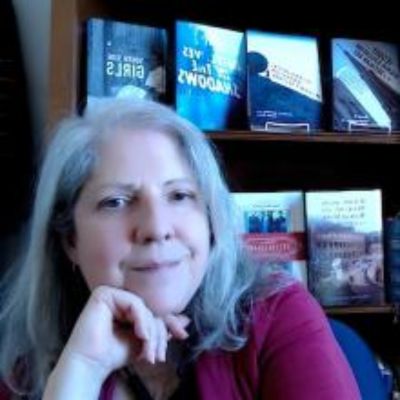

Genealogist and author Sunny Jane Morton loves researching Catholic sisters. A member of The Church of Jesus Christ of Latter-day Saints (Mormons) and an expert in conducting research using denominational records, Morton recently published a book on the topic: Searching for Sisters: A Guide to Researching Catholic Nuns in the United States.
She wrote the book originally for genealogists, but she thinks it’s also useful for parish and local historians. “They often just never think about it,” she said, speaking of local historians, “but then they’ll say, ‘Oh yeah, there was a convent!’ “
Morton is a genealogy educator who previously co-authored the award-winning book How to Find Your Family History in U.S. Church Records, recognized for an honor by the National Genealogical Society.


Her research for Searching for Sisters was supported by a grant from the Cushwa Center for the Study of American Catholicism at the University of Notre Dame.
Global Sisters Report asked Morton about her processes, why she thinks genealogy is so important, and what makes Catholic sisters’ biographies especially challenging to write.
What was your first experience with Catholic sisters?
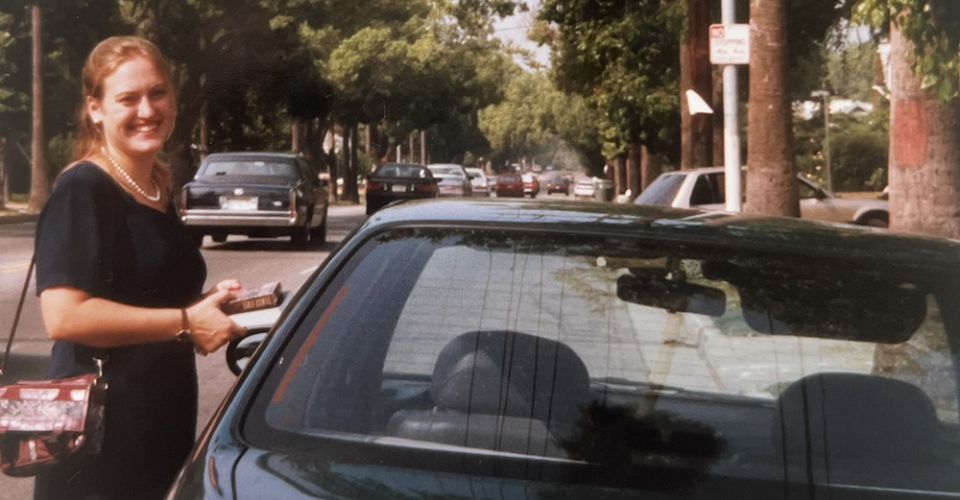
Thirty years ago or so I finished serving an 18-month mission in the barrios of Spanish-speaking East L.A. for the Church of Jesus Christ of Latter-day Saints.
When I finished, my parents came to pick me up and took me to Disney. You can imagine the culture shock going from thinking, living, breathing and thinking ministry, to being in a theme park.
I looked around and saw this group of habited nuns. I had just come from an experience where I also went by “sister,” hermana in Spanish. I lived on $5 a day. I gave up everything about my normal life, and lived a very obedient life. I sacrificed a lot. I was chaste. It was all the things!
I had been living in ministry this entire time. When I saw these sisters walking around, my immediate instinctive thought was, “I should be with them.” On the inside, I felt like what they looked like, in that moment of instinctive identification. I sensed that they would probably understand what I felt.
Why do you think researching the life of a Catholic sister is different from researching any other historical figures?
These women are just so historically invisible! It sometimes seems the institutes were the only ones keeping track of their own history. Local and regional archives and libraries rarely have materials about the sisters who served in their locales.
Histories of dioceses and parishes where they served often give little coverage to women religious, despite their outsized contributions to Catholic community life.
Even the families of women religious often forget their relatives who were sisters within a couple of generations, and eventually the family genealogist struggles to rediscover them.
Historically, when a woman joined an institute, she left home, changed her name, and then did not generate marriage or children’s birth records. She didn’t follow predictable migration paths — she went where her order sent her.
When she does appear in newspapers, censuses, or death records, it’s often under her religious name, which may not be remembered in the family.
Why is the history of Catholic women religious important in the broader context of U.S. history?
Catholic women religious represent a little known but significant part of our national story. When I started learning their history, I was stunned that I had never learned it before because I love women’s history, religious history, and history of reform and humanitarian movements. The history of women religious represents all three!
Women religious lived well outside the Protestant male mainstream of U.S. history. Their history prompts meaningful questions.
How did they persevere and succeed despite adverse cultural pressures on several fronts? How did single, impoverished women gain such a prominent role in healthcare services and run the largest private school system in the country?
❝
I try to remember that their history isn’t a distant, impersonal thing to them: It’s their collective story as a living institution.
How did European orders adapt their rule to accommodate realities in the U.S.?
What meaningful insights can the disproportionate level of services they have rendered (as well as imperfect applications, for example, with Native American boarding schools) provide to the ongoing work of humanitarian and social reform?
What are your favorite tools and resources for this work?
Since the 1800s, annual Catholic directories have listed institutes that were active in specific communities. Newspapers often announced vow ceremonies for local convents and included both the religious and birth names of new sisters.
I have identified more than 250 convent burial grounds on Find a Grave, which can help both historians and genealogists identify women with their order.
The archives of religious institutes are often rich with documentation, especially for sisters who lived into the 20th century.
The Archivists for Congregations of Women Religious is a marvelous resource for identifying institutes and connecting with archival collections. But there are so many caveats, challenges, and additional resources — that’s why I wrote Searching for Sisters.
Have you encountered the problem of congregations trying to edit the nuances or controversies out of sisters’ lives? How did you handle it?
I have definitely encountered record restrictions that are in place to protect a sister, an institute, or people they served.
As a genealogist without much knowledge about an institute’s history, I’m not sure I would always know if controversial information was being withheld from me.
When I reach out to a religious archive, I am transparent about my goals and what I plan to do with what I learn.
I try to remember that their history isn’t a distant, impersonal thing to them: It’s their collective story as a living institution. Their deceased sisters weren’t just former co-workers: they all share a chosen family structure. Every congregational archivist I’ve interviewed cares deeply about protecting the sisters.
Of course, as a historian, I want to know the “full story” with all its nuances and complications, and I will look to other sources (such as newspapers and diocesan archives) to try and flesh it out. But I’m not a sensationalist. Any institutional protectiveness becomes part of the story, and I try to communicate that aspect as respectfully as possible.
Are there other particular challenges that you’d like to share with us from your own examples?
I recently wanted to learn about a small congregation near my home. There is only one sister left, though the institute still runs a successful healthcare facility.
They do not have an archive, cemetery or published history. Their only membership roster is a historical plaque in their facility’s front lobby.
My local historical society knew about the sisters, but had no materials on them. The diocesan archive was the same. Nobody kept any records about them.
I reconstituted a skeletal history and a full roster — with birth and religious names and genealogical data — using the plaque plus obituaries and other news articles, tombstones, death certificates, and other publicly available data.
This was challenging and resulted in only a barebones history of what was once a thriving institute that served a significant role in my community. I hate to think of more sisters’ stories being lost and that’s why I wrote this book — to help more of them be rediscovered.
This column was first published by Global Sisters Report and has been republished with permission by Global Catholic.