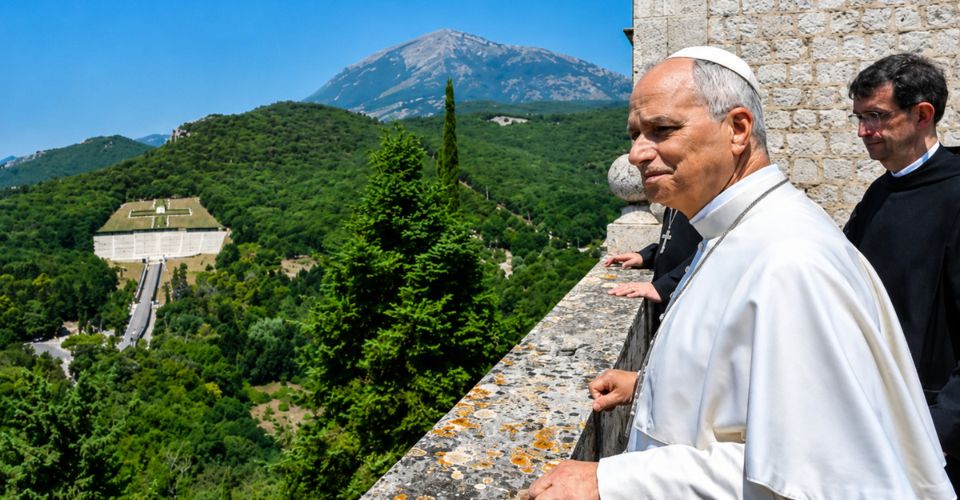
St. Peter’s Basilica, the Vatican Museums, the Colosseum—Rome offers no shortage of world-famous attractions. But during the summer, the city’s heat can become overwhelming.
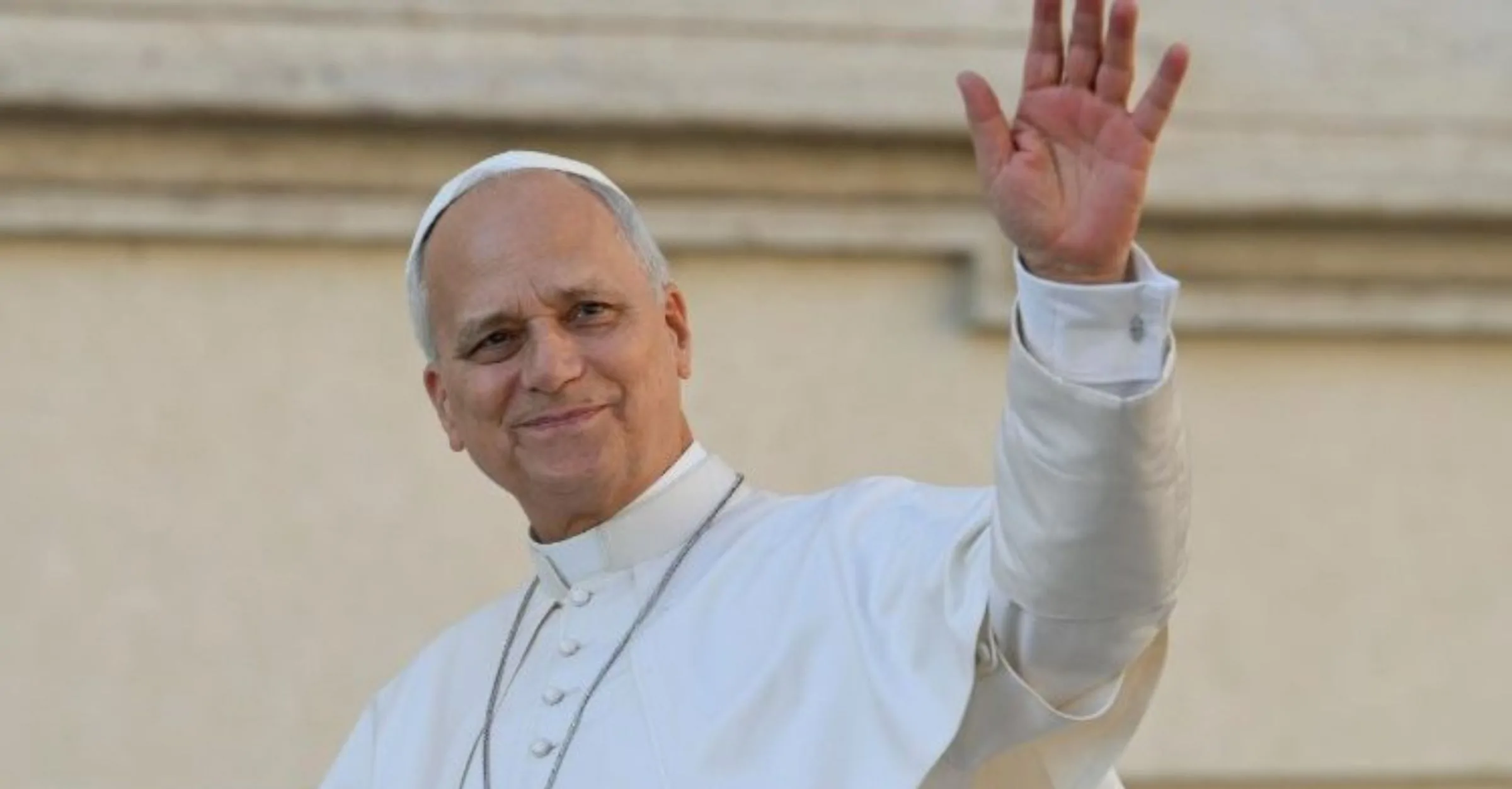
Like many Romans, Pope Leo XIV headed for cooler destinations outside the capital. His three-week vacation has now come to an end, but the places he visited remain open to anyone who wants to follow in his footsteps.
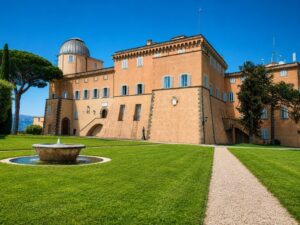
Castel Gandolfo: The Pope’s Summer Residence


Perched above Lake Albano, Castel Gandolfo has been closely associated with the papacy for centuries. During the summer months, popes traditionally retreated here to escape the bustle of Vatican life.
Pope Leo XIV also spent his summer break at the papal residence this year.
The Apostolic Palace, once reserved exclusively for the pope, is now open to visitors.
One of its highlights is the Barberini Gardens, laid out on the site of Emperor Domitian’s ancient villa. The expansive grounds combine archaeology, formal gardens, and sweeping views of the Lazio countryside.
A stroll through the historic town center is also worthwhile. Around Piazza della Libertà, visitors will find cafés and restaurants—an ideal place to relax after exploring the palace and gardens.
Best for: Papal enthusiasts, history lovers, and casual visitors
Getting there: About 1 hour by car or 45 minutes by train from Rome Termini. The historic center is about a 10-minute walk from the train station.
Admission:
- One-way train ticket: €2.10 (US$2.40)
- Apostolic Palace and Secret Gardens:Adults: €12, Reduced admission: €6
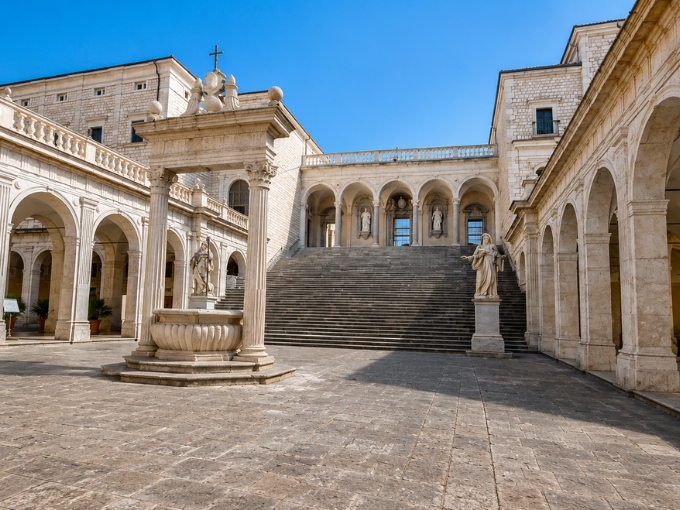
Montecassino: Ora et Labora
Towering above the town of Cassino stands one of Italy’s most celebrated monasteries: Montecassino Abbey.
During his vacation, Pope Leo XIV visited the Benedictine monastery and prayed at the tomb of St. Benedict.
According to tradition, St. Benedict of Nursia founded the monastery in AD 529. From Montecassino, his Rule—with its famous motto “Ora et labora” (“Pray and work”)—spread throughout Europe, shaping Western monasticism for centuries and making the abbey one of Christianity’s most influential spiritual centers.
Montecassino also tells a story of destruction and renewal. The monastery was devastated several times throughout history, most notably during World War II, before being painstakingly rebuilt according to its original design.
Today, visitors can admire its magnificent Baroque style basilica, elegant cloisters, historical treasures, and breathtaking views over the surrounding valley.
Best for: Pilgrims, history buffs, and those interested in monastic life
Getting there: About 2 hours from Rome, followed by a 5.5-mile (9-kilometer) walk to the abbey. A bus also runs from Cassino train station three times daily.
Admission:
- Abbey tour: €45 (for groups of 1–5 people)
- Abbey and museum tour: €55 (for groups of 1–5 people)
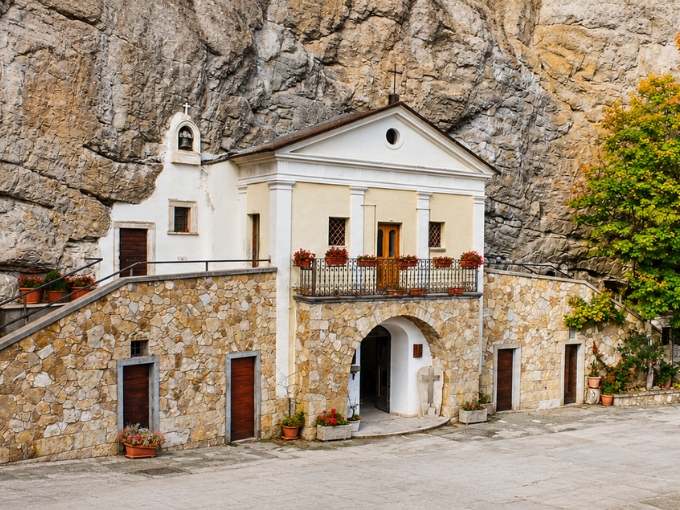
Vallepietra: A cliffside sanctuary dating to the fifth century
One of Pope Leo’s most secluded destinations lies northeast of Rome in Vallepietra.
The sanctuary is remarkable for its dramatic location beneath a massive rock overhang, appearing almost fused with the mountainside.
Its origins date back to the fifth century, making it one of central Italy’s oldest pilgrimage sites.
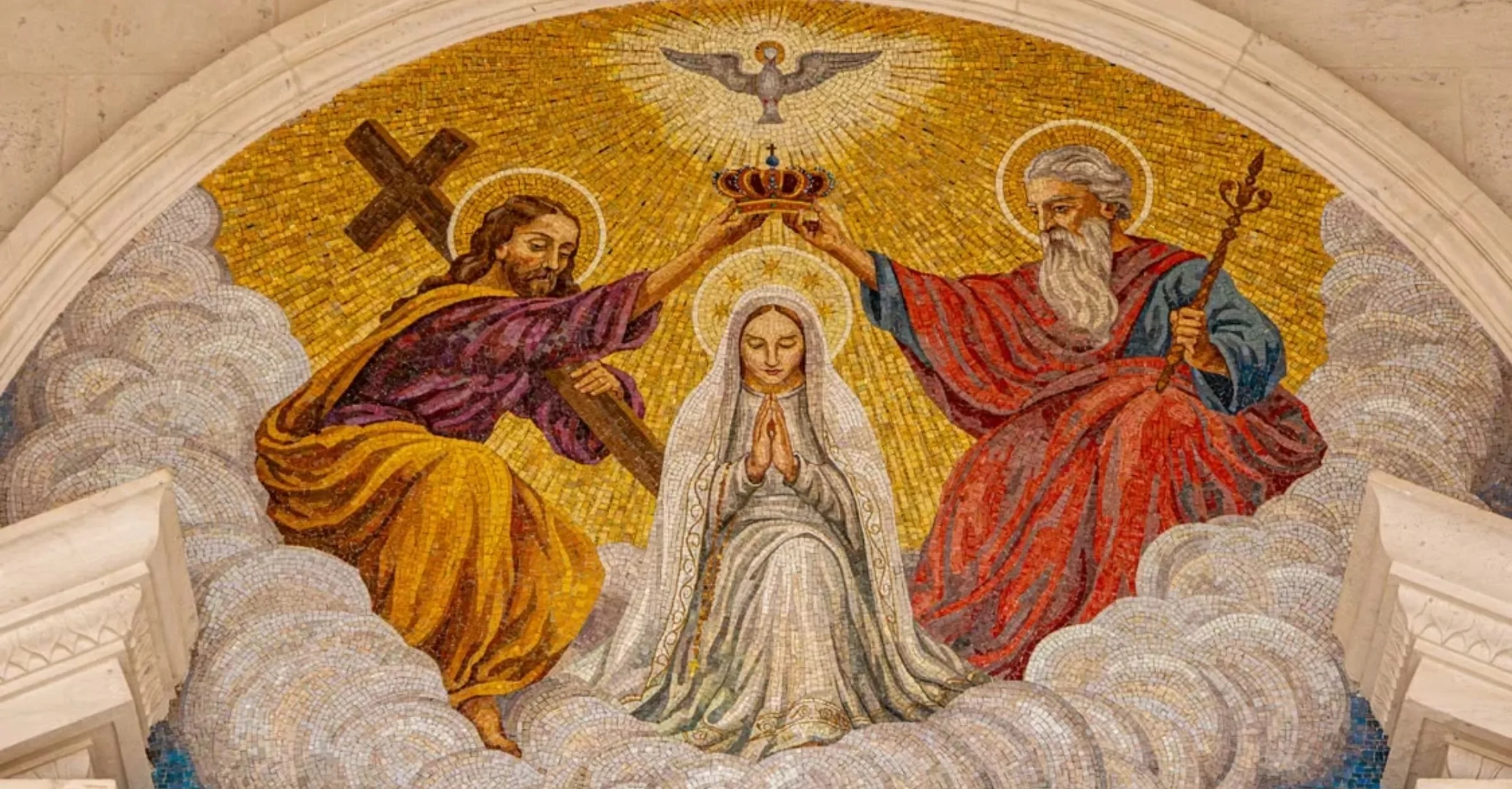
Pilgrims come to venerate a twelfth-century fresco of the Holy Trinity (Santissima Trinità).
The surrounding Simbruini Mountains also make the area a rewarding destination for hikers and nature lovers.
Best for: Pilgrims, outdoor enthusiasts, and travelers seeking peace and quiet
Getting there: About 2 hours by car from Rome, followed by a short walk.
Admission: Free
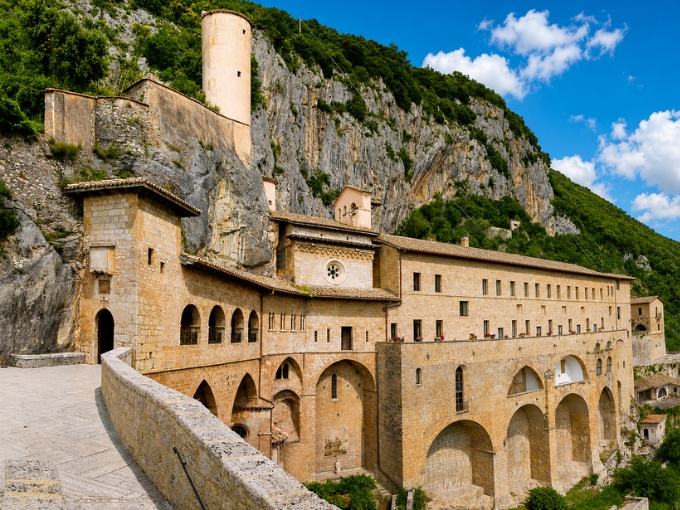
Subiaco: The Hermit’s Cave
Those continuing in Pope Leo’s footsteps can visit one of the most important spiritual sites near Rome: San Benedetto, better known as the Sacro Speco.
Built into a steep cliffside, the monastery surrounds the cave where St. Benedict is believed to have lived as a hermit for several years.
About a 20-minute walk downhill stands Santa Scolastica Abbey, still home to a Benedictine community. Its historic cloisters bear witness to centuries of monastic life.
The surrounding forests, hiking trails, and peaceful mountain scenery provide a welcome contrast to the crowds of Rome.
Best for: Pilgrims, cultural travelers, and nature lovers
Getting there: About 90 minutes by car from Rome, or one hour from Vallepietra.
Admission: Free
Four destinations, countless stories
Pope Leo XIV’s summer itinerary demonstrates that travelers willing to venture beyond Rome can discover not only beautiful landscapes but also places where history, faith, and centuries-old traditions continue to shape daily life.
This is a translated and edited version of the feature that first appeared on DOMRADIO.DE and has been republished with permission by Global Catholic.