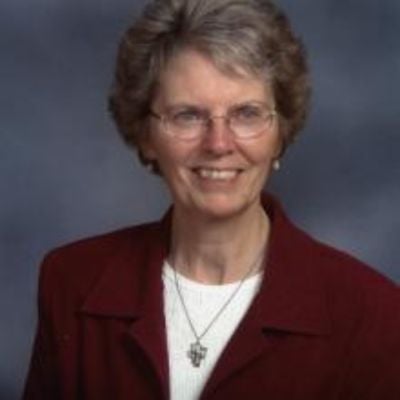

In 2008, Good Shepherd Sr. Teresa Tran became the first Vietnamese woman to make perpetual vows. Although Good Shepherd missionary sisters from Ireland had been in Vietnam since 1958, they left in 1975.
After the Vietnam War ended in 1975, the communist party severely restricted religious freedom and banned religious organizations and activities. It wasn’t until 1992 that government restrictions gradually eased to allow the freedom of worship and Vietnamese novices and junior sisters returned, ministries resumed, and the congregation began seeking new vocations.
Tran said that when the sisters returned to Vietnam in 1992, they lived and worked at a government welfare center for nine years. Their ministry was vocational training with poor girls and women, some of whom had been abused or even imprisoned. Some of these young girls were abandoned by their families. The sisters helped them to support themselves and have a better future.


Tran told Global Sisters Report that she was first attracted to religious life during her university studies and began working and volunteering in the congregation’s ministry with abused and disenfranchised women. After her first profession, she studied in India and eventually returned to work with women in Vietnam. She now serves as a provincial leader.
In this interview with GSR, Tran shared her calling to religious life, her congregation’s journey in Vietnam, and her community’s empowerment work with women from families living in poverty.
GSR: How did you get to know the sisters? Was your family Catholic?
Tran: My family converted to Catholicism by the grace of Mother Mary. I had heard about the sisters from a priest who knew them well, and he introduced me to them. I was touched by the way they treated women and girls in need and inspired by the words and spirituality of St. Mary Euphrasia [foundress of the Sisters of the Good Shepherd].
My parents had an open mindset. They let us make our own decisions when we had finished high school. They did not support or stop my decision to be a religious; they just respected what I chose.
I first went to stay with sisters at the center as a volunteer. I taught the girls English, served them meals and stayed with them. At the same time, the sisters told me about the congregation. After staying with them for about three years during university, I was in the first group that started formation in 1998, right after graduating from university.
I made my first vows in 2001 and, that same year, the sisters stopped working at the government center and discreetly continued with their formation work. We didn’t have any official ministries or convents then, only a candidacy house in Ho Chi Minh.
Quietly, the sisters began with small ministries: sewing training for girls, accompanying poor families, cooperating with parishes in Saigon, Vinh Long and Ca Mau, while training us as junior sisters.
How has the congregation grown since then?
We have been gradually growing. Now, there are 32 sisters. We are trying to officially register our convent with the government, but it is not easy.
We are located in Ho Chi Minh, Vinh Long, Ca Mau and Ba Ria. In Ho Chi Minh, we were entrusted by the diocese to run the free elementary school for poor children. We are also conducting outreach in the areas where the poorest are being relocated.
We try to find scholarships for students in this area, reach out to their families, and collaborate with the church to work with women and mothers to help promote education.
Vinh Long was the first place we established our presence outside of Ho Chi Minh, and we have reached out to 36 parishes to raise awareness and support families through scholarship programs.
In Ca Mau, families depend on shrimp farming, fishing, some agriculture, small-scale trading and informal work. Ca Mau is farthest from the capital, and many families, especially those that depend on agriculture and aquaculture, are economically vulnerable for many reasons.
Climate change has affected their farm production, and prices fluctuate when they sell at the market. Nothing is stable. They don’t have enough capital or healthcare, and many carry debt.
I imagine women suffer the most?
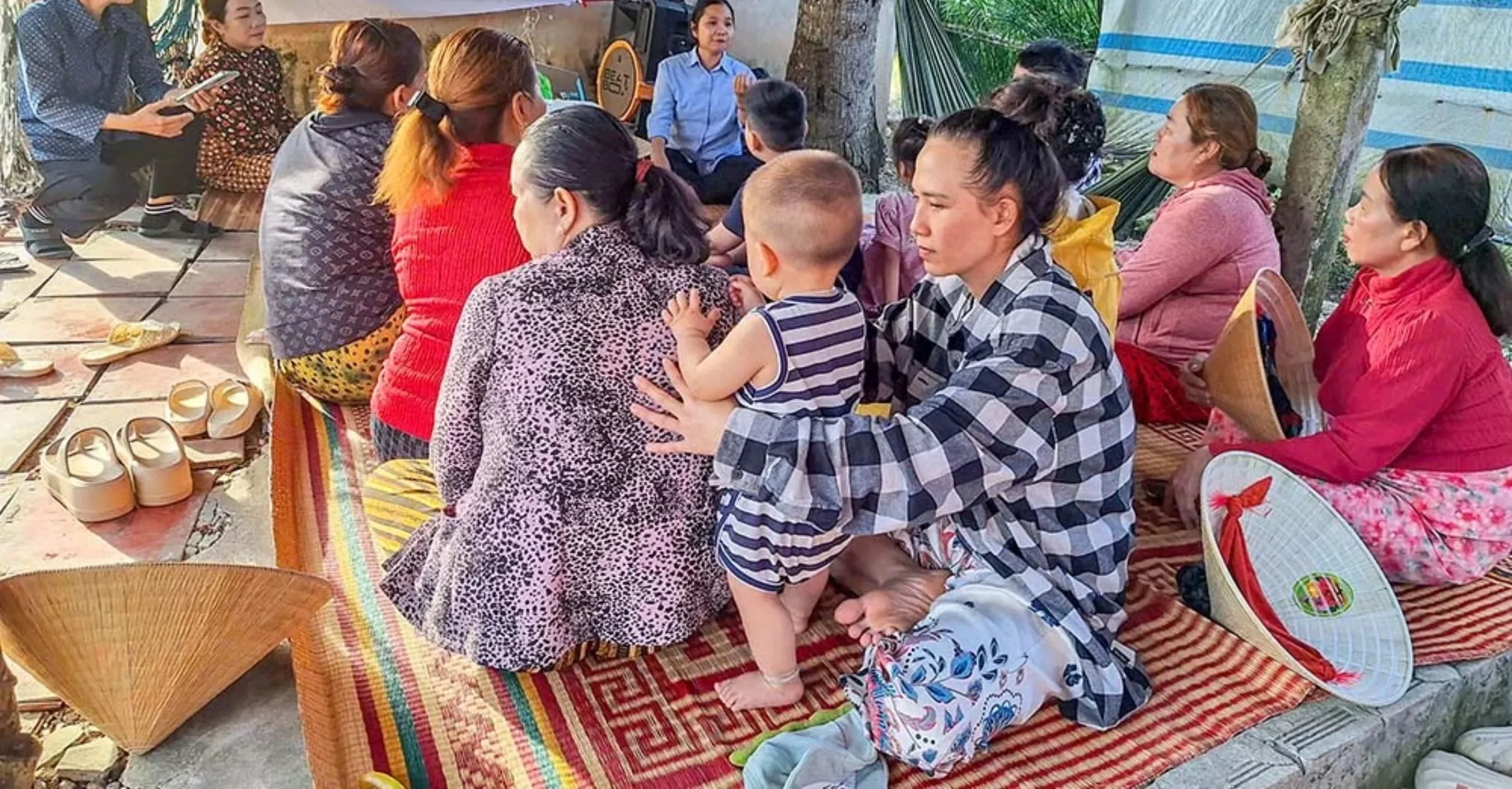
Yes, they are the ones we work with the most. We started a microcredit program to teach them planning and income management skills. They can access loans to start or expand their small businesses. Our goal is self-reliance. These skills will increase their income, not just meet daily expenses.
Where did the sisters learn the skills to accompany these women?
It has been a lot of learning for us, too; learning from doing, from one another, and from experienced people. We have lay partners who work with us, too.
We learn by listening to the women, who tell us how they have succeeded or what they need. We receive grants to help them, and our international foundation helps us find funding to provide more programs for leadership and finance training.
This interview first appeared on Global Sisters Report and has been republished with permission by Global Catholic.