





Just after noon on Aug. 15, Pope Leo XIV appeared on the Piazza della Libertà, in Castel Gandolfo, and spoke of iconography: the Virgin assumed in full figure, wrapped in light; the empty tomb, filled with flowers, in the lower register of the paintings; the verse from Revelation about the woman clothed in the sun.
After the prayer came the list of communities for whom he asked intercession, and the first name was the Holy Land, which the Pope called, in his own words, “preeminently, too, the Land of Mary.”
At the same hour, north of Ramallah, Cardinal Pierbattista Pizzaballa was celebrating the same feast in the Latin church of Christ the Redeemer in Taybeh — the last entirely Christian village in the West Bank, traditionally identified with Ephraim, where Jesus withdrew with his disciples before the Passion.


Since July, an Israeli military order has declared the area around Taybeh and Rimon a closed military zone, barring entry to Israelis and foreigners alike, journalists included.
The parish priest, Father Bashar Fawadleh, has documented fires, incursions onto farmland, the daily pressure settlers place on families.
Cardinal Pizzaballa commented, before that congregation, on the same passage from Revelation read that day in the Alban Hills, south of Rome, and drew the conclusion the text itself supplies: there is a dragon, and the heart is what is at stake.
If the heart lets itself be contaminated by fear, he said, “the dragon has won.” Then: “Be brave. Do not be afraid.”
The following Sunday, the Pope returned to the point: “I renew my appeal that the repeated violence against the Palestinian civilian population in the West Bank come to an end, and I urge the international community to work to advance the two-state solution for a just and lasting peace.”
In his catechesis on the Canaanite woman, he had just said that, in the light of faith, the barriers that trample the dignity of God’s children become intolerable.
The application to the Palestinian people followed at once.
Palestinians today, among other things, are descended in significant part from the ancient local populations of the Levant — the Canaanites among them.
It is worth weighing the context in which these words fall.
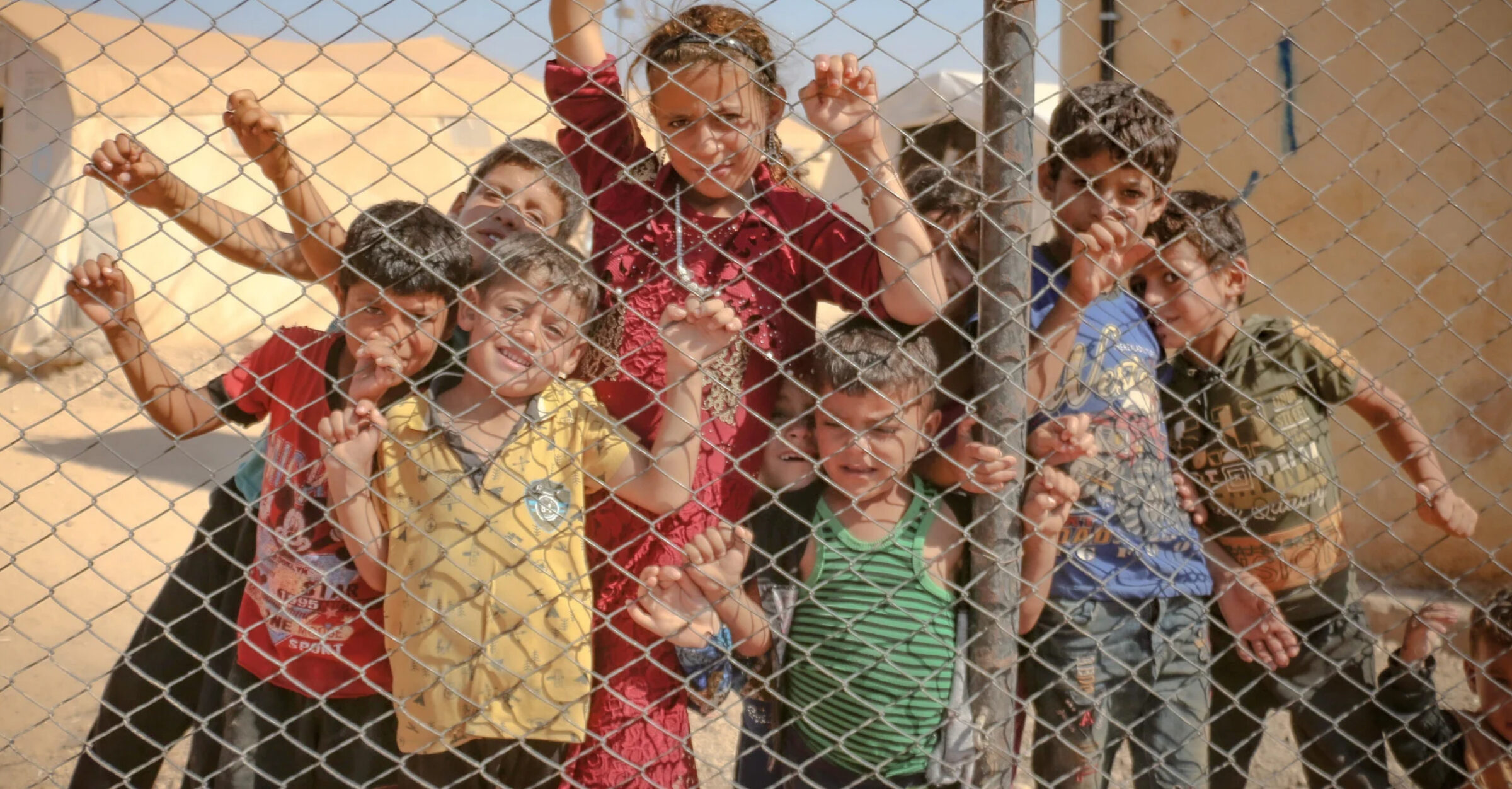
The West Bank does not produce images capable of sustaining a news cycle, and the foreign ministries that have plenty to say about Gaza, humanitarian corridors, and negotiating tables fall back on communiqués and conditional phrasing once the scale narrows to the village and the olive grove.
Into that vacuum, the Holy See has kept calling things and places by their names. A military order that closes off a country. A parish priest who counts burned trees. A patriarch who goes to say Mass where no one is let in.









2 Comments
Benedict Cox
August 22, 2026There is silence about many locations.
‘According to estimates by the US State Department, the number of Christians in Iraq has fallen from 1.2 million 2011 to 120,000 in 2024, and the number in Syria from 1.5 million to 300,000, falls driven by persecution by terrorist groups and repression by authoritarian regimes.’
chhotebhai
August 22, 2026Good that the Pope and the Catholic Church are speaking up for the voiceless.